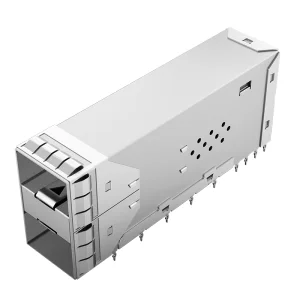
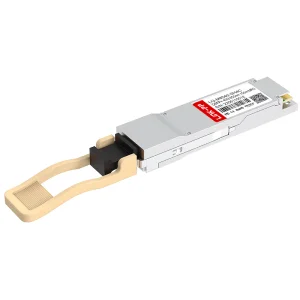
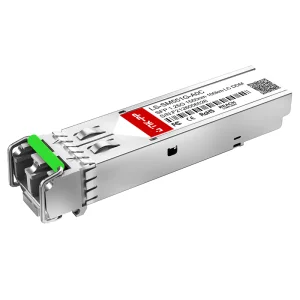
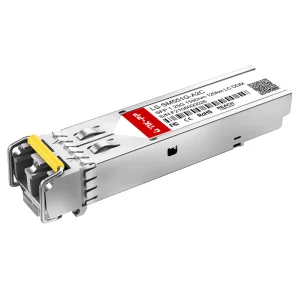
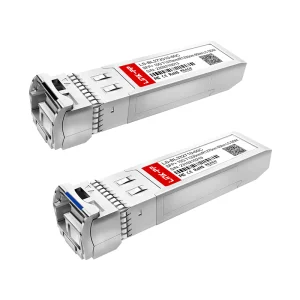
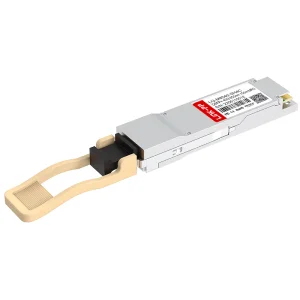
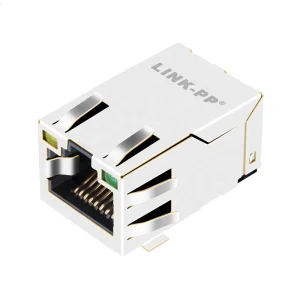
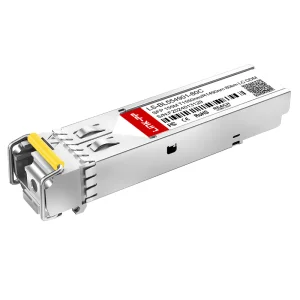
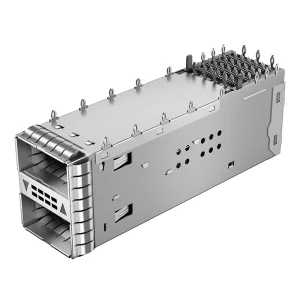
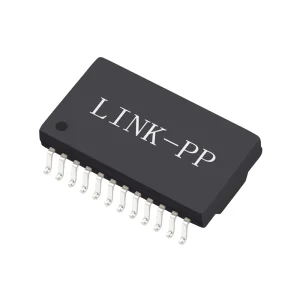
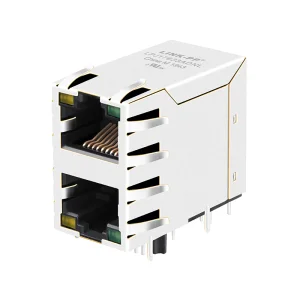
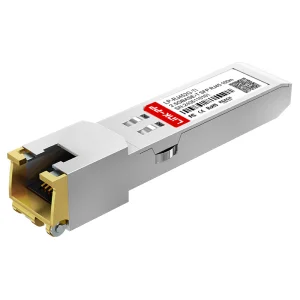
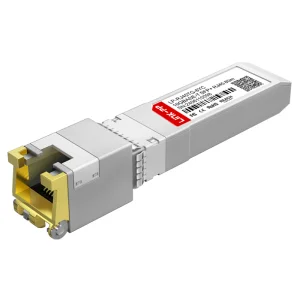
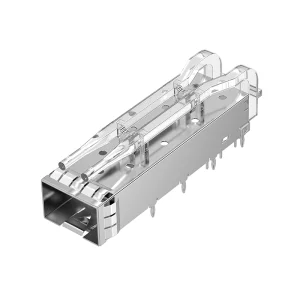
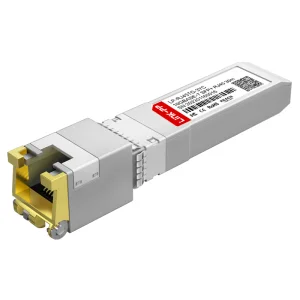
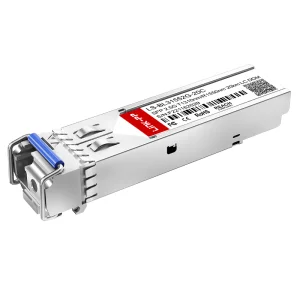
High-speed interconnect components and network interface hardware powering modern enterprise VoIP architectures.
Modern business communication relies on the seamless convergence of high-capacity data backbones and intelligent endpoints. As a prominent developer in optical transport systems under the FiberNova group, our foundational knowledge of high-speed transceivers, physical layers, and EMI shielding directly influences our production of high-performance VoIP Phones.
By leveraging our deep technological expertise in processing gigabit-speed data and maintaining signal integrity, we construct SIP endpoints that address voice packet latency (Jitter), assure Crystal Clear Audio with state-of-the-art DSP (Digital Signal Processing), and support robust PoE (Power over Ethernet) thermal profiles. Understanding the core physical network translates directly into superior device reliability and sound fidelity at the desk.
How our advanced OEM/ODM VoIP Phone manufacturing pipeline responds to upcoming shifts in cloud communication protocols, hardware chipsets, and AI integration.
Our VoIP architectures natively process Opus, G.722, G.729, and G.711 voice codecs. We leverage specialized, dedicated DSP blocks that ensure packet loss concealment (PLC) and adaptive jitter buffering up to 300ms, preserving HD Voice even over congested WAN linkages.
Integrating dual-microphone array technologies combined with local neural networking (TinyML) algorithms to actively filter out back-of-office interference, keyboard clicks, and environmental echo, ensuring unparalleled clarity during calls.
Transitioning from traditional patch cords to integrated Wi-Fi 6 (802.11ax) modules. Enables high-density wireless deployments in flexible workplaces without sacrificing voice packet delivery priority (WMM/QoS configurations).
Incorporating automated TR-069, TR-111, and HTTPS-based redirection and provisioning servers (RPS). Operators can deploy thousands of IP phones globally, allowing customized configurations, firmware upgrades, and remote diagnostics without dispatching physical support teams.
Adapting SIP technologies to meet industry-specific environments, regulatory requirements, and security challenges.
Features hardware-based encryption including TLS 1.3, SRTP, and HTTPS web portals. Integrates seamlessly with multi-tenant cloud PBX engines, supporting up to 45 concurrent SIP lines, dedicated speed-dial buttons, and expansion modules for security trading floors and executive suites.
Ergonomic desk terminals featuring dual RJ9 headset jacks, support for Electronic Hook Switch (EHS) systems, and specialized mute indicators. Tested for over 1 million hook switch actuations, these models are optimized for intensive 24/7 client interactions.
IP65-rated moisture-resistant models featuring anti-microbial outer casings designed for medical centers and patient rooms. Offers simplified user interfaces, direct speed-dial keys for urgent response teams, and wall-mounting options to save valuable space.
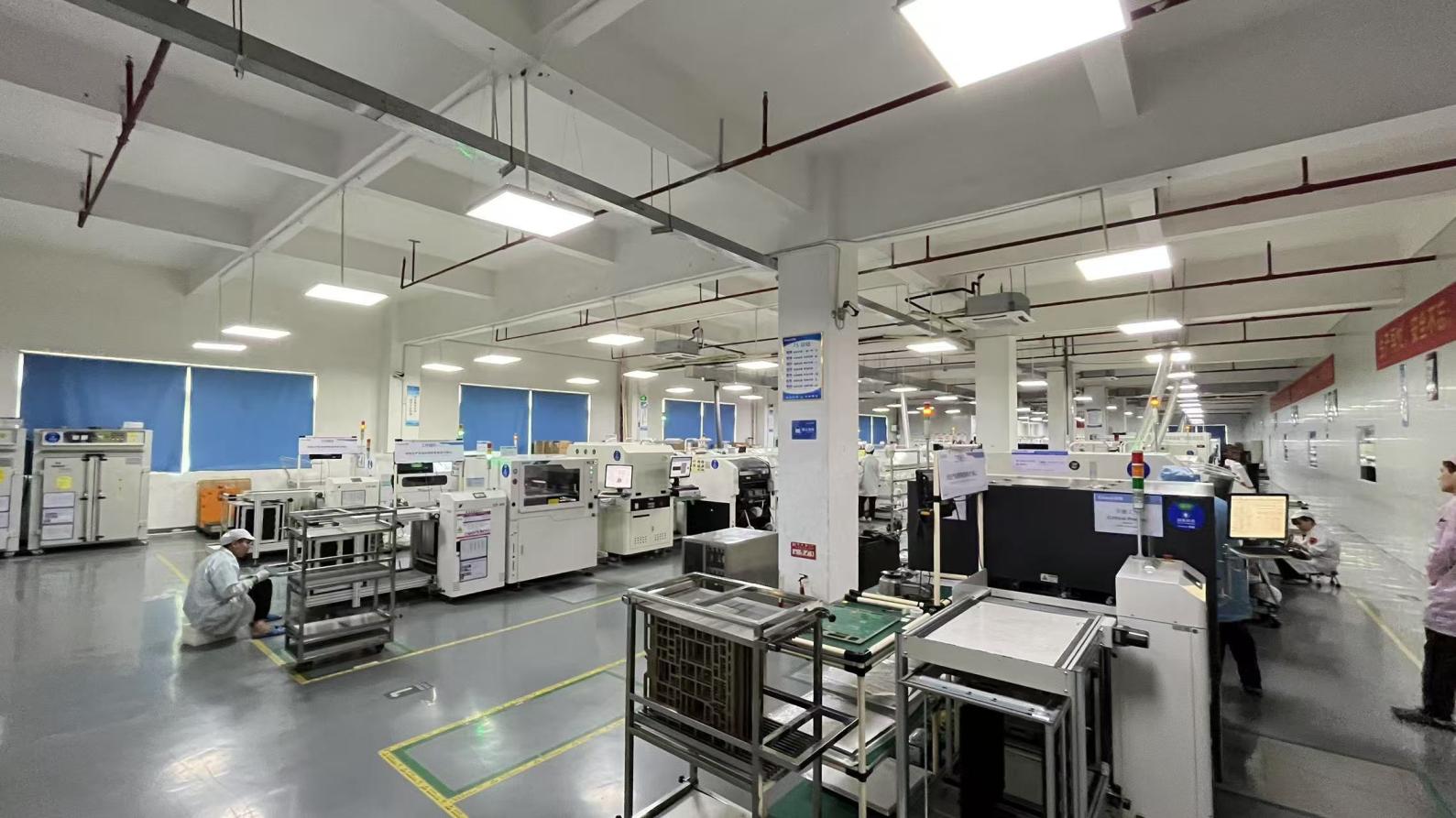
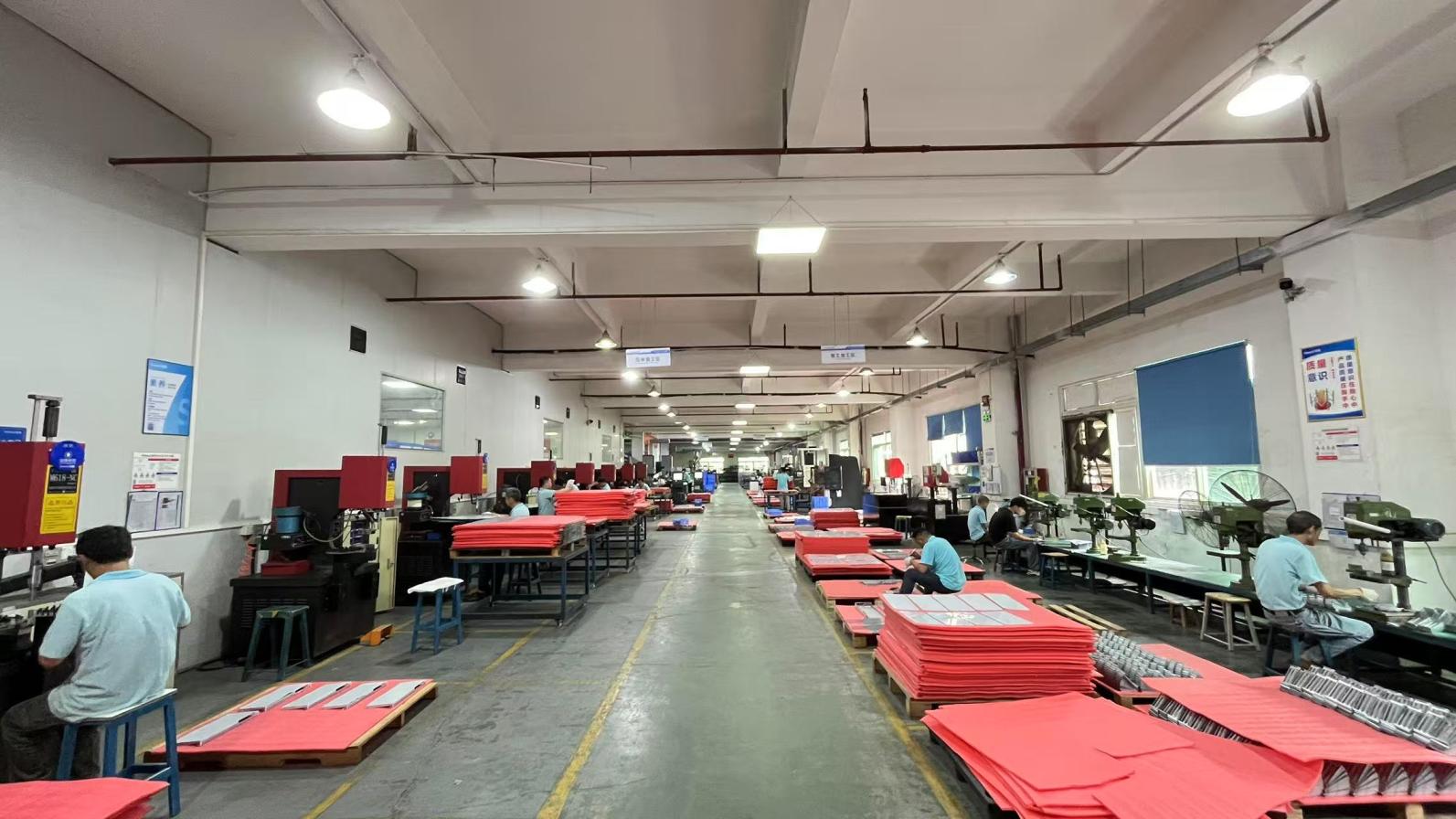
Our manufacturing facility operates in strict alignment with ISO 9001:2015 and ISO 14001:2015 guidelines. With deep roots in the global optical hardware supply chain ecosystem through over 1,200 verified industrial component partners, we maintain a robust inventory of critical ICs, microprocessors, and high-frequency magnetics.
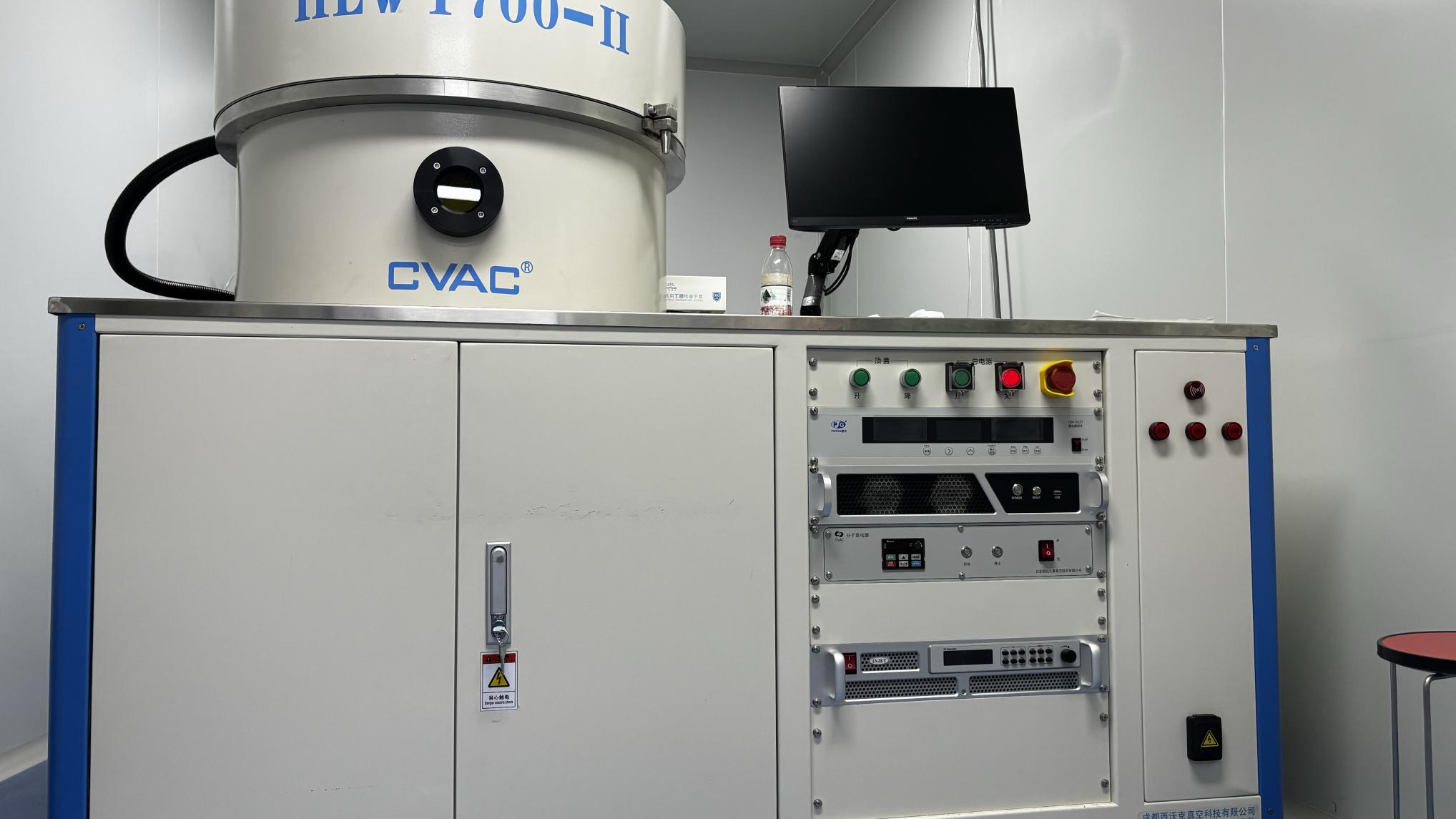
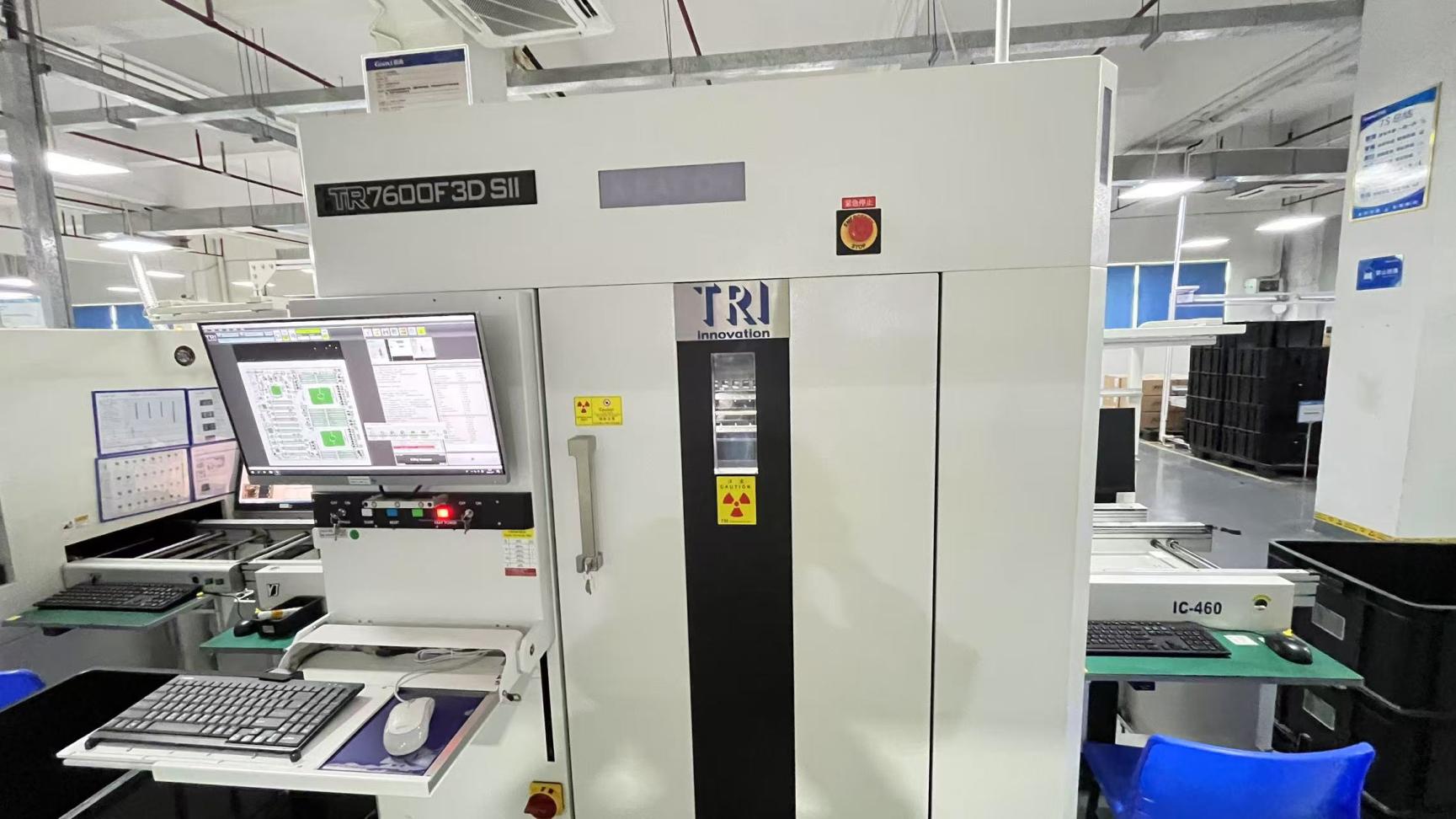
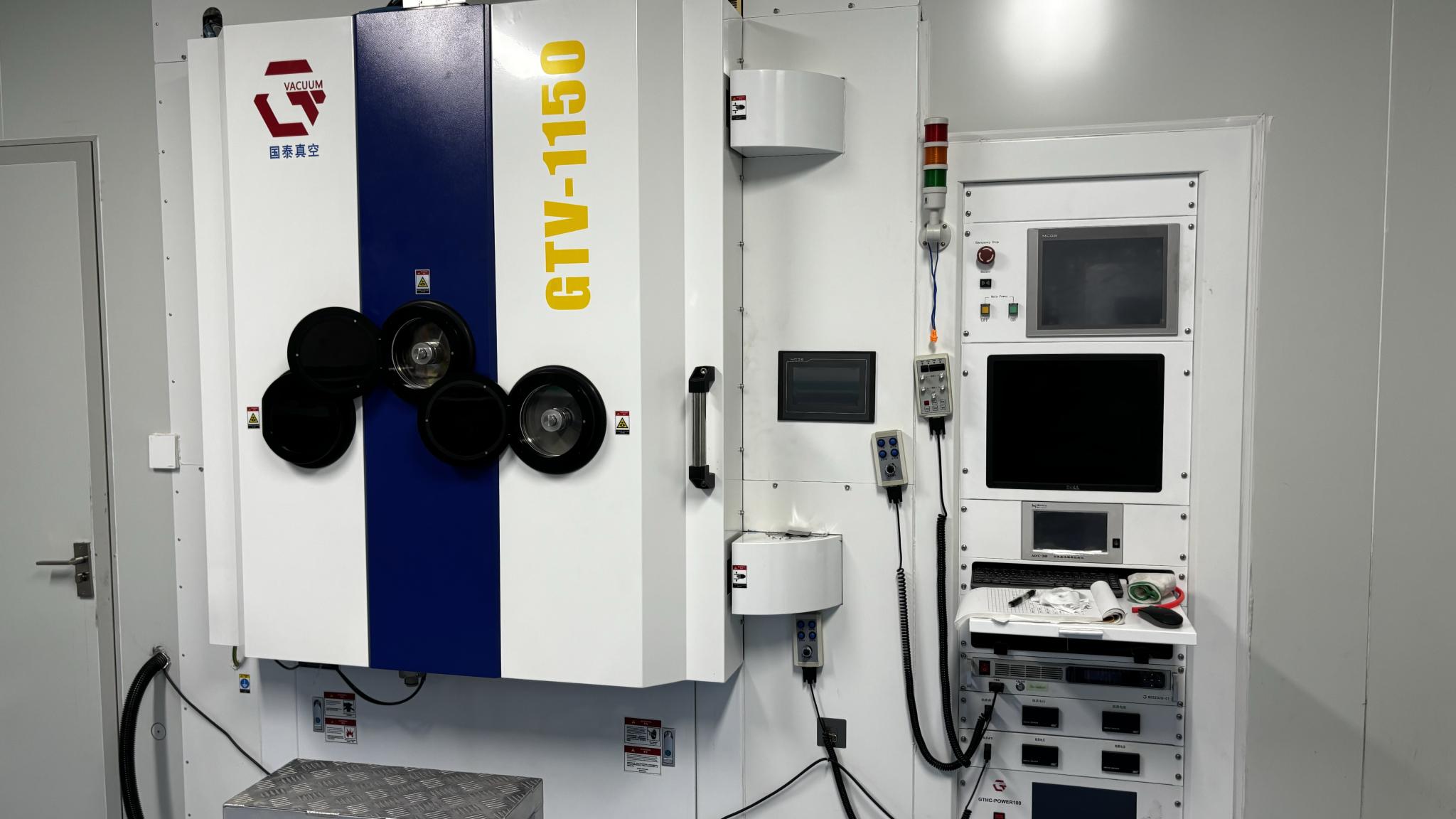
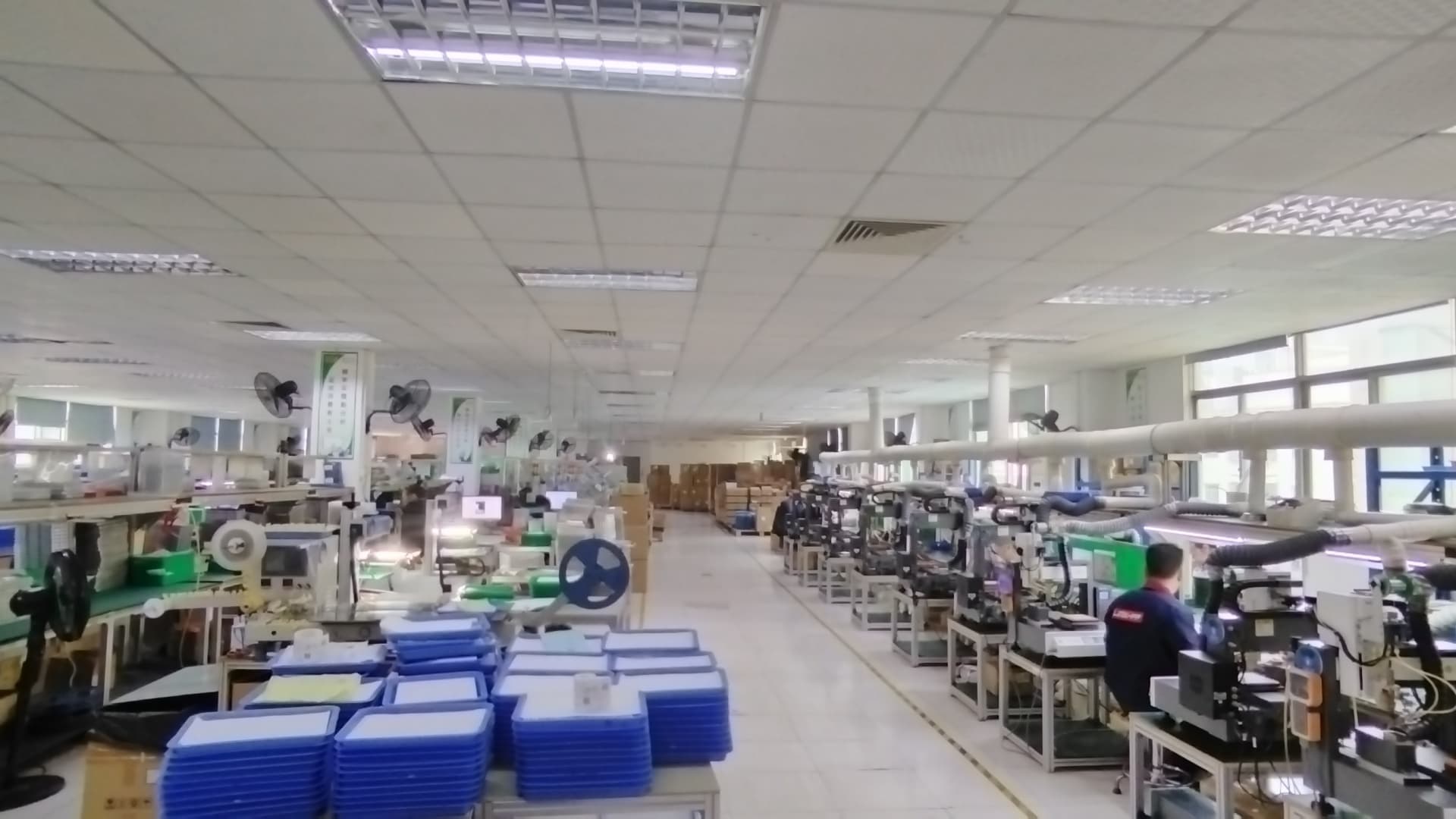
Unlike typical assembly factories, our facility integrates fully automated SMT (Surface Mount Technology) placement machines, computerized AOI (Automated Optical Inspection) systems, and rigorous environmental stress screening (ESS). The final assembly line incorporates specialized automated acoustic calibration software, validating frequency response, speaker harmonic distortion, and microphone sensitivity for every individual unit before shipment.
By using in-house design capabilities for structural casings and injection molding, we reduce design-to-prototype cycles down to 14 days, providing OEM partners with unparalleled rapid-market launch capabilities.
Exporting to over 80 countries with comprehensive regulatory coverage and localized multi-language firmware options.
CE, FCC Part 15, RoHS, REACH, UL 60950-1 and UKCA certifications for entry into Western markets.
Certified with Broadsoft, Asterisk, 3CX, FreePBX, Metaswitch, and Huawei SoftCo architectures.
Firmware supporting 22 default languages, customizable dial plans, and localized power supply adapters.
We offer our clients custom product-marking capabilities, user-manual translations, and country-specific wireless certifications (e.g., Anatel, NOM, ICASA) to help clients overcome complex regional market barriers. Our specialized logistics team coordinates ocean freight, air transport, and express door-to-door distribution with full customs handling services.
From initial concept to final packaging, our 65 engineering experts turn custom client parameters into high-quality hardware reality.
Choose from standard chassis configurations or create customized shapes. We offer tailor-made button layouts, branded faceplates, screen dimension variations (mono, color, or touchscreen interfaces), and customized housing colors to match brand identity guidelines.
We compile customized Linux-based kernels, implement default background images, pre-configure SIP Server URLs, modify audio profiles, load custom security certificates, and integrate custom API libraries to communicate with in-house cloud platforms.
Custom environmental packaging containing customized retail graphics, multilingual user guides, accessory kits (ethernet cables, desktop stands, power units), and automated bulk outer-carton barcodes for warehouse scanning.
Learn more about the industrial capacity, R&D capabilities, and global trade partnerships behind FiberNova.
Established in 2016, FiberNova Optical Communication Tech Co., Ltd. (FiberNovaTransceivers.com) has grown from a specialized technology provider into a prominent designer of high-performance transmission and communication endpoints. Operating a modern, high-precision facility covering approximately 380㎡, we serve telecom networks, high-capacity data centers, and global enterprises with reliable optical transceiver modules and connected communication hardware.
Backed by 12 years of industry expertise and 6 years of export experience, FiberNova operates with an annual export revenue of USD 8–15 million. Our international footprint spans North America, Europe, East Asia, and the Middle East. To guarantee product stability, our QA framework employs a team of 45 professional QC staff, implementing 100% optical performance tests, thermal cycling, and signal integrity checks to meet MSA compatibility standards.
Innovation-driven engineering forms the heart of our operations. Supported by 65 design engineers, we continuously develop high-speed networks, introducing approximately 120 new products annually. Our secure supply chain includes more than 1,200 long-term suppliers for chips, lasers, microprocessors, and high-frequency components, enabling stable lead times and consistent production volumes even during global component shortages.

Technical answers regarding enterprise VoIP phone manufacturing, network integration, and OEM/ODM cooperation.
Our standard production runs typically start at 1,000 units per batch for OEM projects (requiring custom logo print, startup screens, and basic packaging adjustments). For deep ODM development projects (including custom plastic moldings, structural variations, and specialized electronic board modifications), the MOQ typically starts at 3,000 to 5,000 units. Smaller trial batches are negotiable based on the project's technical scope.
All our SIP devices strictly comply with RFC 3261 standards. We execute continuous interoperability verification cycles with major cloud-communications platforms and call-control managers, including Asterisk, 3CX, Broadsoft, Metaswitch, and Cisco Unified Communications Manager. Firmware releases are continuously tested for regression compliance with these platforms.
Yes. All FiberNova enterprise-grade desk phones natively support TR-069, TR-104, and TR-111 standards for remote deployment and automatic provisioning. They also support secure provisioning protocols like HTTPS, HTTP, TFTP, and FTP with AES-encrypted XML configuration parameters to ensure secure mass deployments.
Our VoIP Phones implement Layer 2 Quality of Service (802.1p/Q tagging, VLAN) and Layer 3 DiffServ QoS (DSCP value allocation). Additionally, we implement dynamic packet loss concealment (PLC) and adaptive jitter buffers in our audio engines. Bandwidth-efficient codecs like G.729 or Opus can be prioritised to optimize performance on constrained network connections.
Our SIP terminals employ robust security architectures, featuring Transport Layer Security (TLS 1.2/1.3) for SIP control messages, Secure Real-time Transport Protocol (SRTP) with AES-128/256 for audio encryption, and 802.1x network access control. We also use HTTPS web management interfaces and secure boot firmware to prevent unauthorized firmware modifications.
FiberNova's optical transceivers and modular connectors, built to handle critical communications infrastructure requirements.
 FiberNova