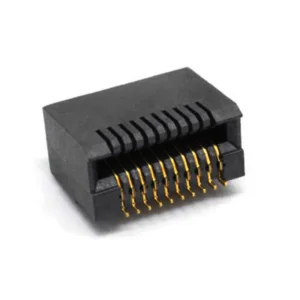
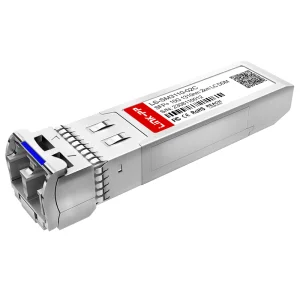
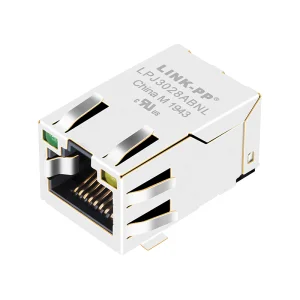
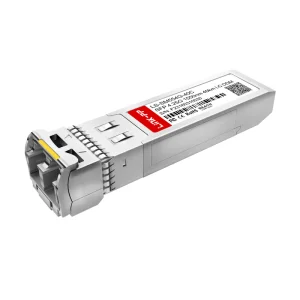
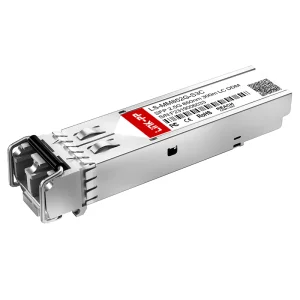
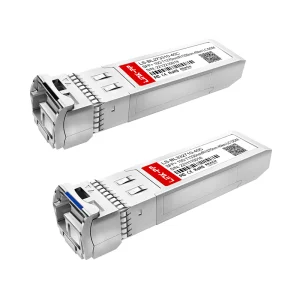
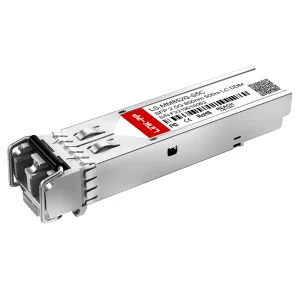
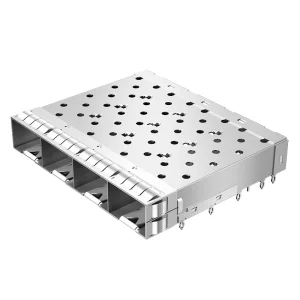
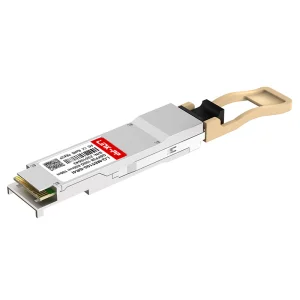
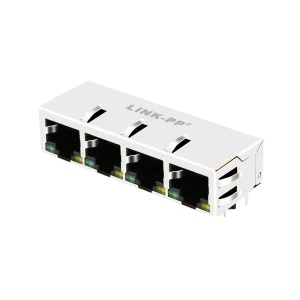
Explore our foundational range of premium SFP+ transceivers, magnetic RJ45 connectors, and EMI shielding solutions engineered for seamless compatibility and zero-packet loss environments.
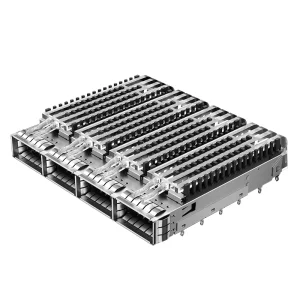
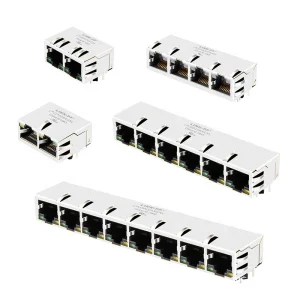
Technical analysis of trends, structural demands, and deployment metrics in modern ethernet connectivity systems.
In the rapidly shifting landscape of global data transmission, the traditional RJ45 connector has evolved from a simple telephone interface into a highly sophisticated component capable of handling up to 10 Gbps and beyond. As data centers, industrial automation nodes, IoT gateways, and telecommunication carrier networks demand higher bandwidth and greater power delivery through PoE (Power over Ethernet) technologies, the requirements for Custom OEM RJ45 Connectivity Module Factories have shifted from simple commodity stamping to high-precision engineering of complex integrated magnetics (MagJacks).
Today's network architectures depend heavily on high-speed copper and optical interfaces. While optical modules serve as the backbone for long-haul networks, copper-based RJ45 connectivity modules remain the standard for cost-effective local routing, access points, smart factories, and edge computing terminals. Providing reliable signal integrity, mitigation of electromagnetic interference (EMI), and resilient structural designs are non-negotiable requirements for industrial system integrators. Let us look at the crucial engineering paradigms currently driving the demand for custom RJ45 development.
Transitioning from standard 10/100 Base-T to Multi-Gigabit networks (2.5G, 5G, and 10G Base-T) requires advanced internal PCB layouts within the modular jack to suppress near-end crosstalk (NEXT) and insertion loss.
With IEEE 802.3bt standard delivering up to 90W-100W of power over standard Cat6a cabling, custom RJ45 jacks must feature optimized contact designs and thermally stable thermoplastic housings to resist breakdown under thermal load.
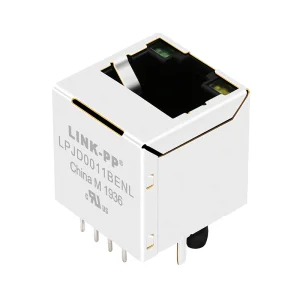
Custom designs integrate isolation transformers, common-mode chokes, and decoupling capacitors within the RJ45 housing. This saves board space on host PCBs and ensures excellent EMI shielding characteristics.
Understanding the internal electrical and physical specifications required to sustain high data integrity in noisy industrial environments.
When partnering with a custom OEM RJ45 connectivity module factory, telecommunications equipment manufacturers look beyond plastic shells and gold-plated pins. True performance is decided by the underlying physics of electrical isolation and magnetic filtering. High-speed signals, especially 10G Base-T, are incredibly sensitive to parasitic capacitance, return loss variations, and external electromagnetic noise.
An OEM RJ45 module with integrated magnetics acts as the primary barrier protecting sensitive transceiver PHY chips from high-voltage surges (typically rated for 1500V AC isolation) and transient common-mode noise. Standard passive configurations cannot cope with the noise generated by nearby power supplies or variable frequency drives in industrial applications. Consequently, the internal structure of these modules must incorporate:
Additionally, the physical cage construction, such as the use of press-fit technology, through-hole solder pins, or surface-mount (SMT) interfaces, changes how the host system deals with structural stresses and thermal expansions. Modern PCB manufacturing prefers automated SMT assembly lines, which demands that the plastic housings resist high reflow soldering temperatures (up to 260°C). Selecting the right liquid crystal polymer (LCP) or high-temperature nylon is a vital manufacturing choice that OEM factories must master.
A systematic guide for network equipment manufacturers, cloud service providers, and sourcing managers.
The Challenge: Vendor lock-in with proprietary pinouts limits design flexibility and causes supply-chain delays.
The OEM Solution: Standardize on multi-source agreements (MSA) or customize footprint-compatible replacements for major brands like TE Connectivity, Molex, and Pulse Electronics, ensuring drop-in compatibility.
The Challenge: Counterfeit components or non-compliant materials entering critical infrastructure designs.
The OEM Solution: Complete transparency with certified raw materials, RoHS and REACH reports, UL 94V-0 flammability ratings, and individual batch testing records from the factory floor.
The Challenge: Sudden increases in component lead times can stall production schedules for high-value telecom switches.
The OEM Solution: Establish structured framework contracts with OEM factories, setting up raw material reserves (like silicon chips and core magnetics) to guarantee steady delivery schedules.
How FiberNova Optical Communication Tech Co., Ltd. satisfies complex global demands for customized interconnect systems.
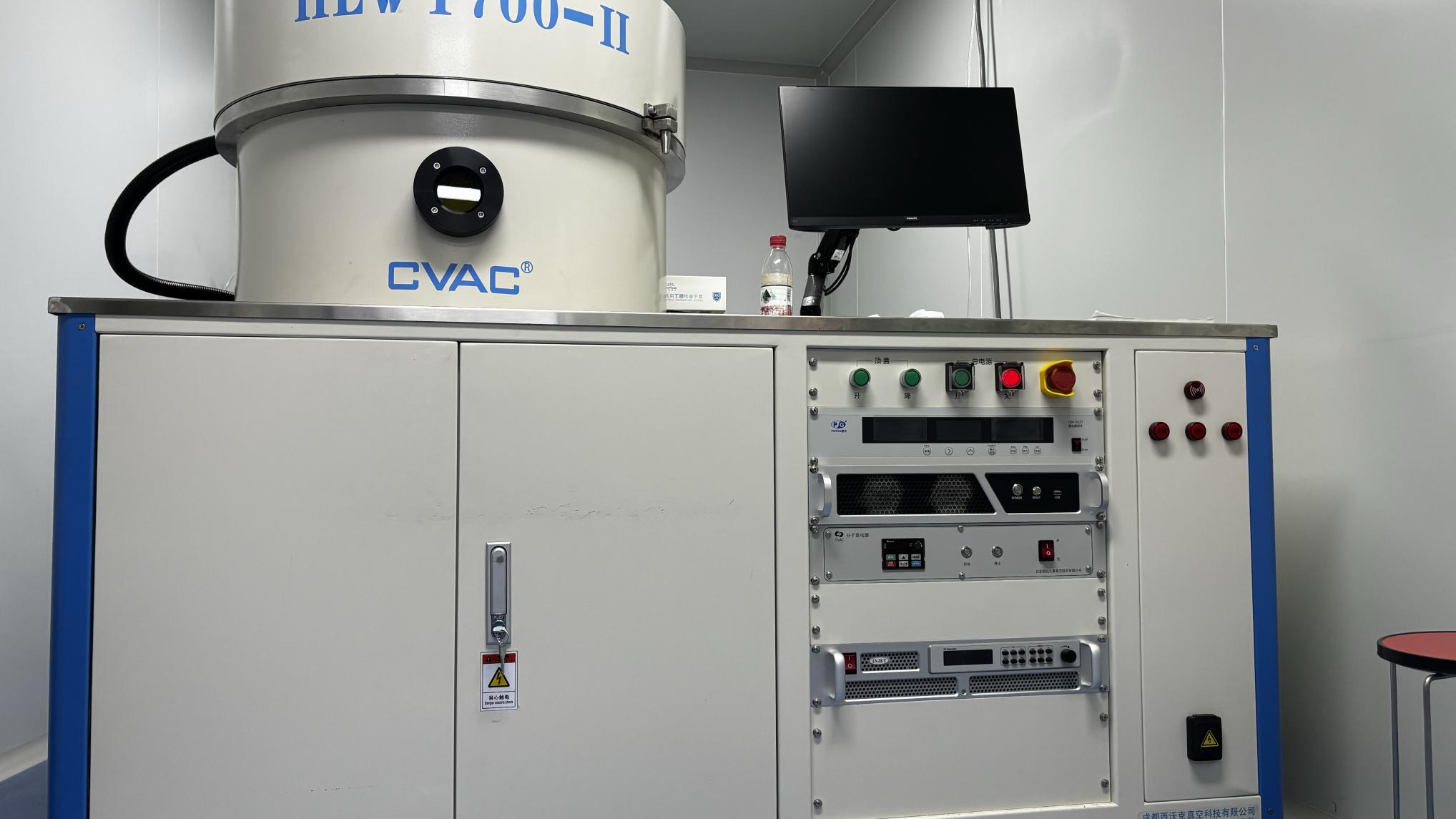
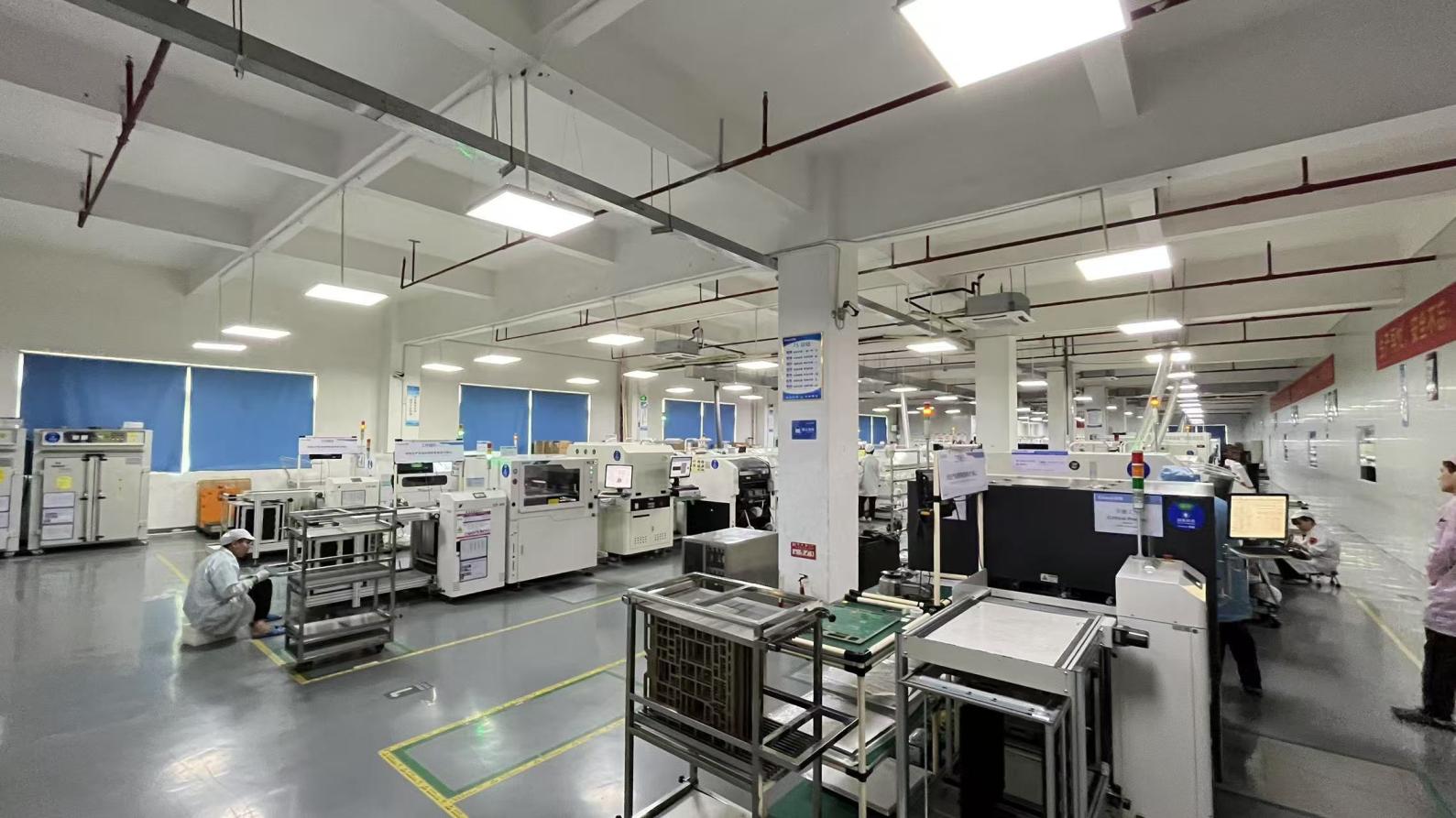
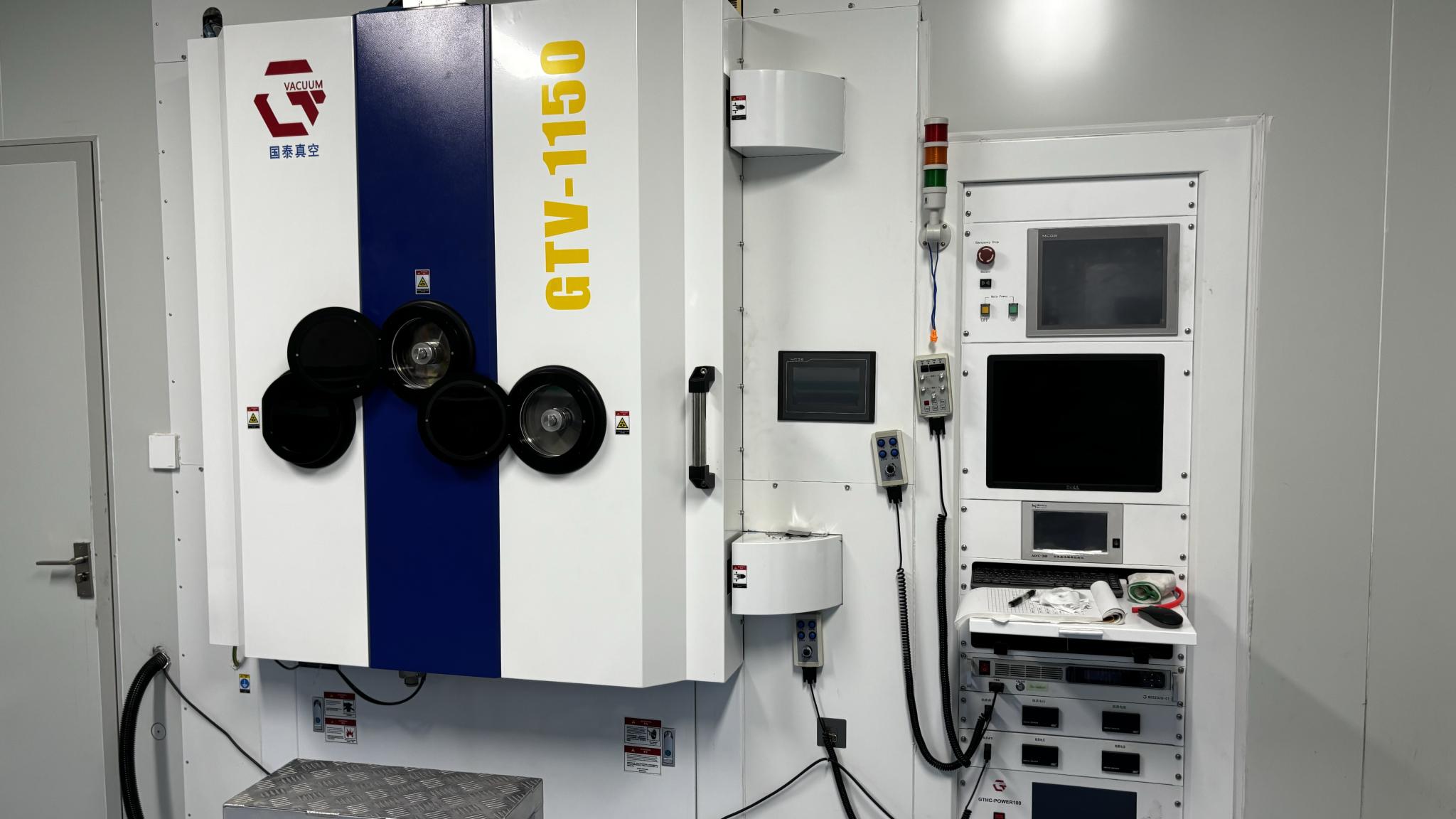
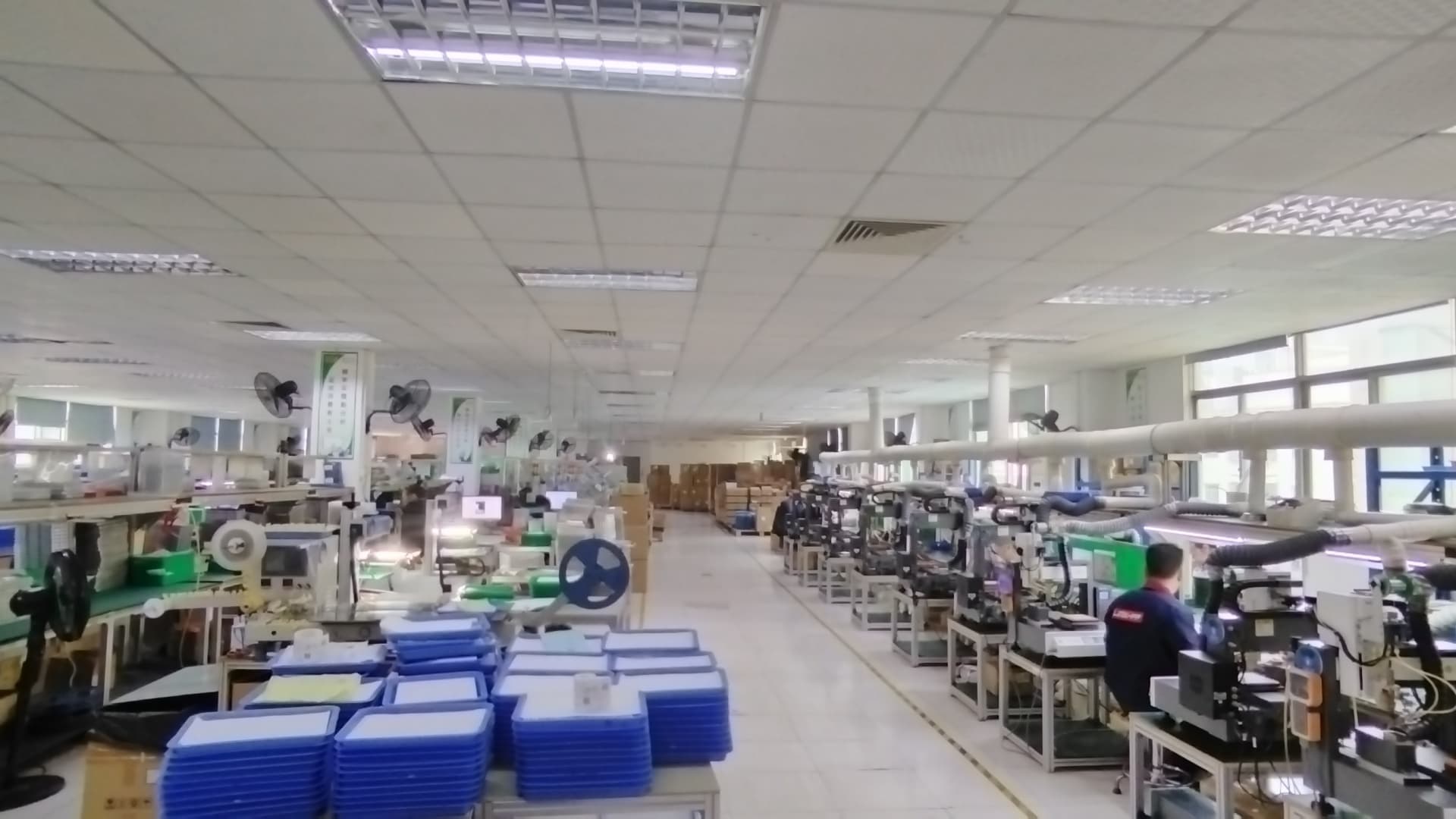
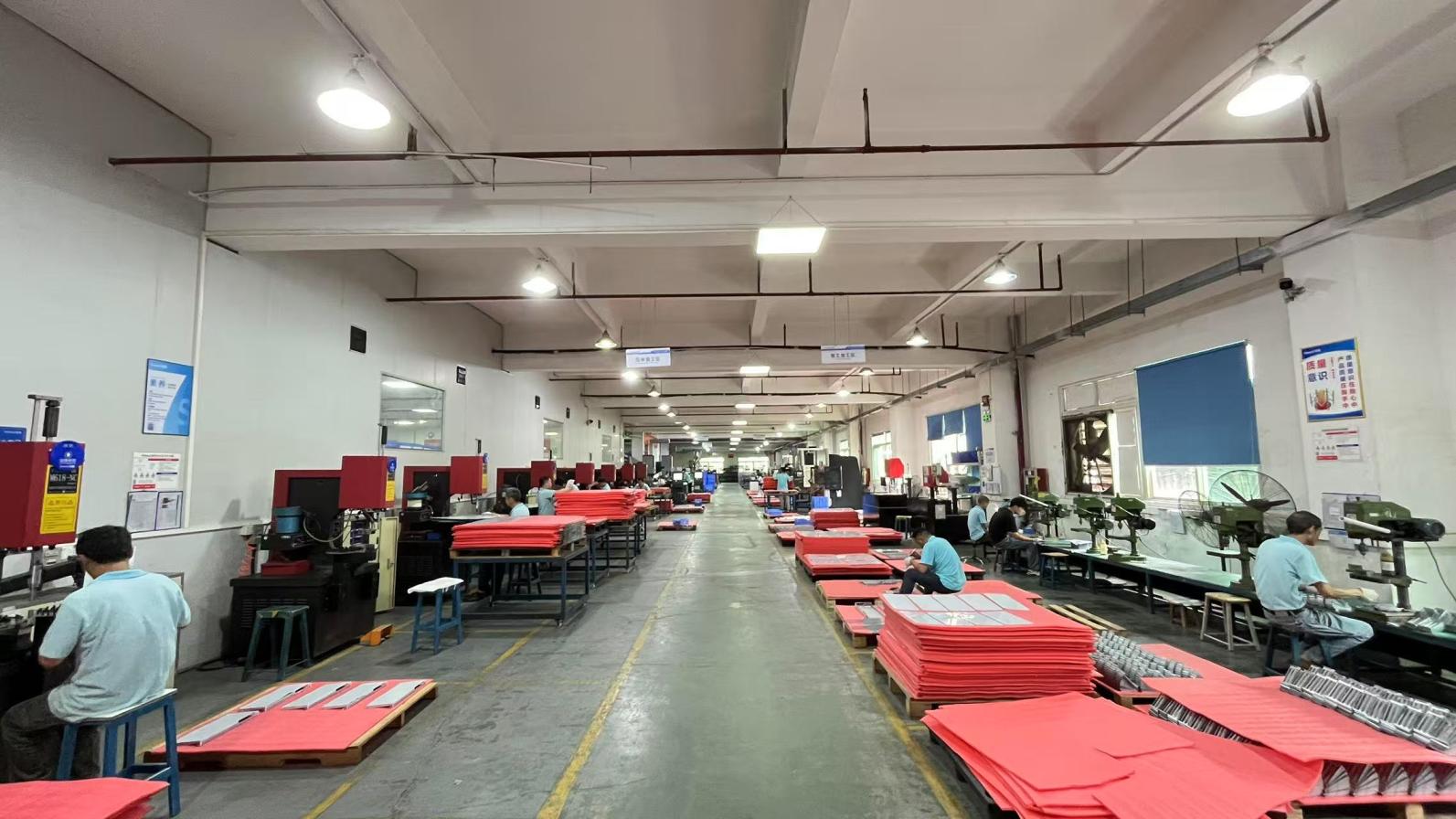
FiberNova Optical Communication Tech Co., Ltd. (FiberNovaTransceivers.com) is a professional manufacturer established in 2016. Our modern production facility covers approximately 380㎡, focusing on high-speed optical communication and copper interconnect solutions, serving global data center and telecom customers with stable, high-performance products.
With over 6 years of export experience and 12 years of industry expertise, FiberNova has developed strong capabilities in R&D, manufacturing, and international trade. The company achieves an annual export revenue of approximately USD 8–15 million, supplying customers across North America, Europe, Southeast Asia, and the Middle East.
FiberNova operates with a strict quality control system, including 100% optical performance testing, temperature cycling tests, and signal integrity inspection before shipment. The quality assurance team consists of around 45 professional QC staff, ensuring every transceiver and RJ45 module meets international standards such as IEEE and MSA compatibility requirements.
The company maintains a solid trade background with experienced export teams handling OEM and ODM projects worldwide. Its main markets include the United States, Germany, Japan, South Korea, and the United Arab Emirates. FiberNova has established long-term partnerships with more than 1,200 supply chain partners, enabling stable procurement of chips, lasers, and optical components.
FiberNova serves a wide range of clients, including telecom operators, cloud service providers, data center integrators, and network equipment distributors. The company has strong R&D capabilities, supported by 65 engineers, focusing on high-speed transmission technologies such as 10G, 25G, 100G, 400G, and 800G optical modules.
Customization is fully supported, including wavelength tuning, protocol compatibility, housing design, and labeling services. In the past year, FiberNova launched approximately 120 new products, continuously expanding its portfolio to meet fast-changing market demands.

Where the networking interface industry is heading: from AI-driven data processing demands to high-density, hybrid media interfaces.
As artificial intelligence, machine learning training clusters, and big-data analytics infrastructure continue to expand, the bandwidth required in server enclosures is skyrocketing. High-speed networking requires a mix of copper (for short distances within the rack) and optical fiber (for long distances between racks and data halls). The evolution of the RJ45 module is therefore closely tied to advancements in transceiver technologies.
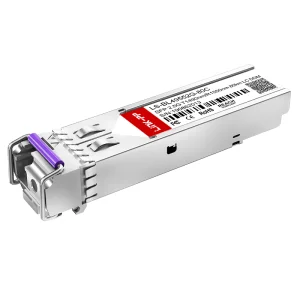
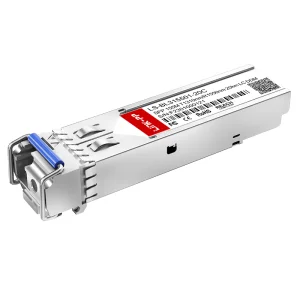
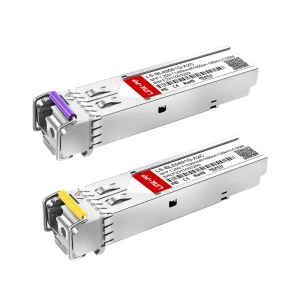
Our tech roadmap highlights the gradual blending of RJ45 magnetic designs with compact, low-power transceiver architectures. Innovations like SFP+ to RJ45 converters (such as 10G copper transceivers) allow data centers to leverage legacy copper cables while updating to 10G optical switches. Consequently, custom OEM RJ45 factories must master both copper termination engineering and optical transceiver integration.
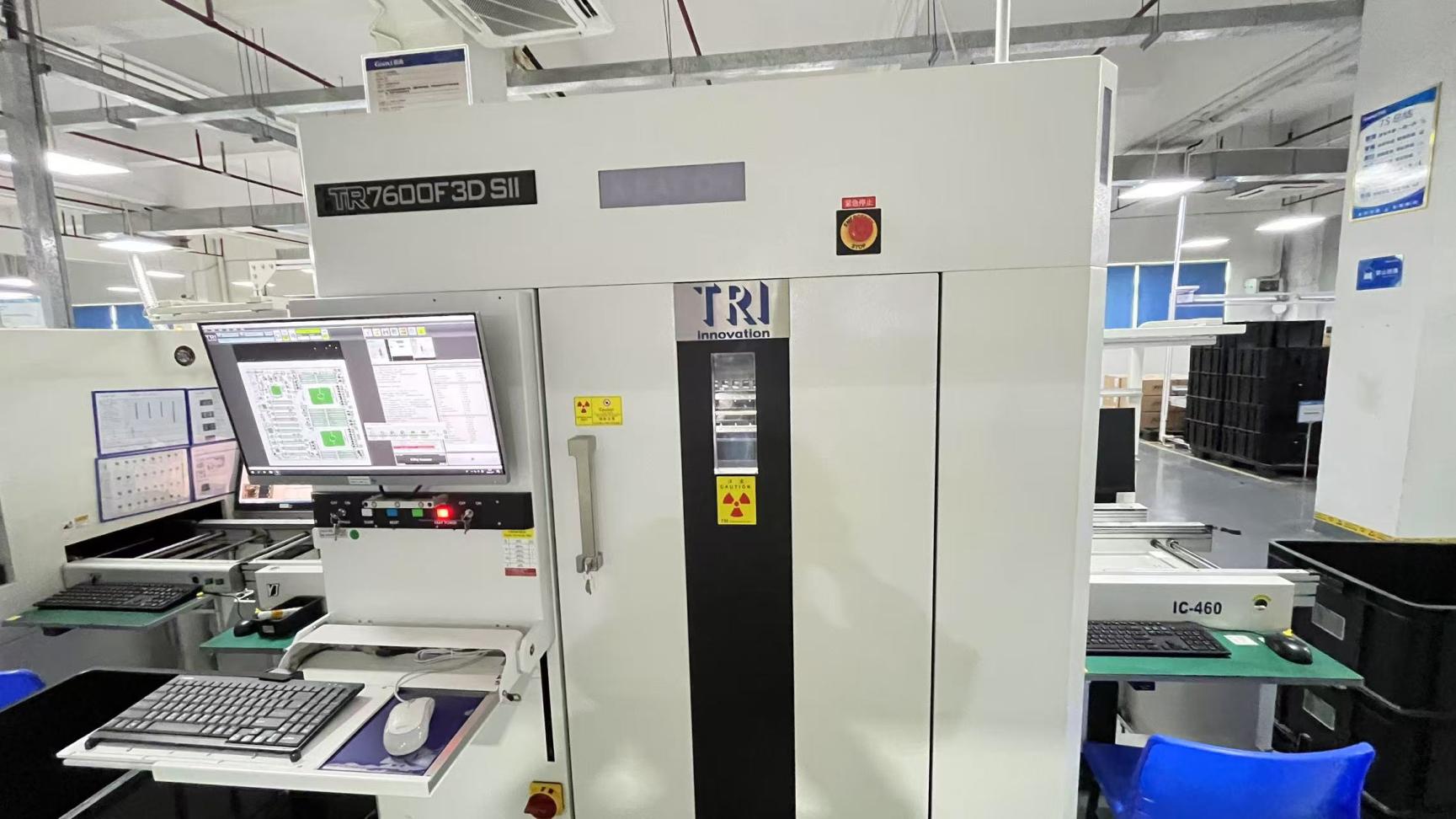
Furthermore, automated assembly lines and visual inspection technologies (AOI) are now standard practice. The future demands smart RJ45 components with built-in LED sensors that report port status, power output, temperature, and cable diagnostic parameters directly to the network operating system.
Professional answers to common engineering, compatibility, and ordering questions from global telecom integrators.
High-reliability copper jacks, multi-port SFP+ cages, and optical transceivers for complete system integration.
 FiberNova