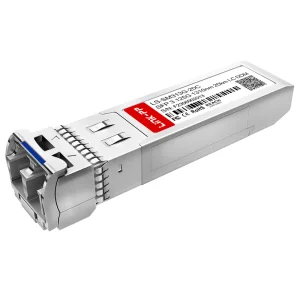
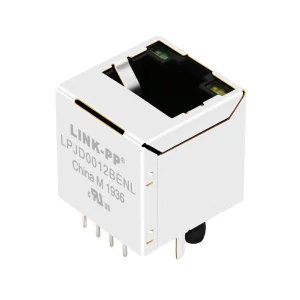
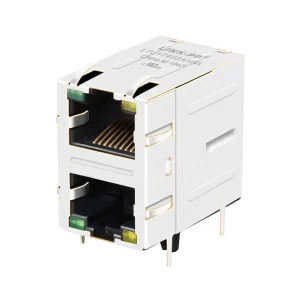
Explore our high-performance line of LC/SMF fiber modules and RJ45 magnetic connectors, engineered for maximum signal integrity, extreme environmental reliability, and low insertion loss.
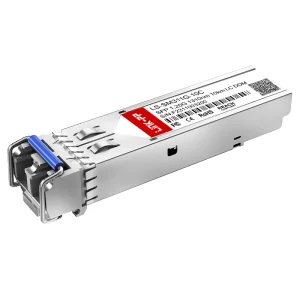
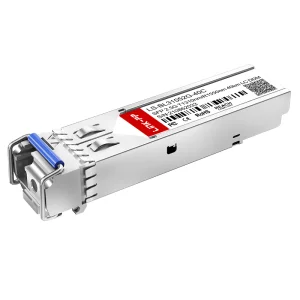
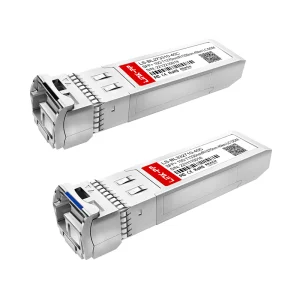
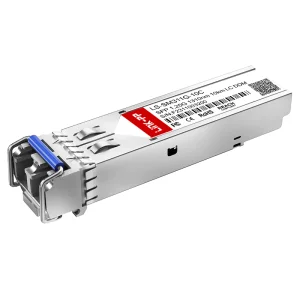
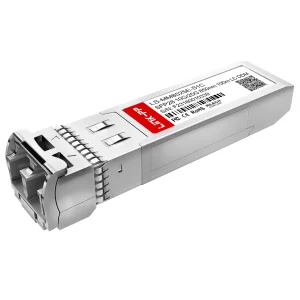
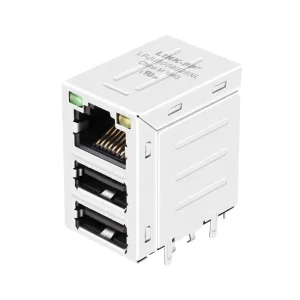
As modern hyperscale architectures, cloud service data centers, and advanced automation networks migrate toward gigabit and multi-gigabit operational frameworks, physical interconnect systems face unprecedented performance requirements. The term Deep Ethernet Connector refers to high-integrity physical interfaces designed for deep integration within the physical layer (PHY), which combine robust electromagnetic shielding (EMI), integrated magnetics (MagJacks), and optical translation capabilities.
These components are critical to minimizing latency, controlling Return Loss (RL), and eliminating Near-End Crosstalk (NEXT) in high-density rack topologies. By integrating optical transceivers—such as SFP, SFP+, and SFP28 modules—directly alongside advanced magnetic RJ45 jacks, engineers can design unified, noise-resistant transmission lines capable of carrying high-speed signals over both copper and fiber media.
Founded in 2016, FiberNova Optical Communication Tech Co., Ltd. has grown into a leading manufacturer of high-speed transceiver modules and advanced physical connectors. With an annual export revenue of USD 8–15 million, our operations are optimized to serve the demanding telecom and enterprise data storage markets globally.
Modern networking relies on two fundamental media types: copper (UTP/STP) for short-run, localized distribution, and optical fiber for long-haul, high-bandwidth connections. Achieving high-performance connectivity requires optimizing both media interfaces.
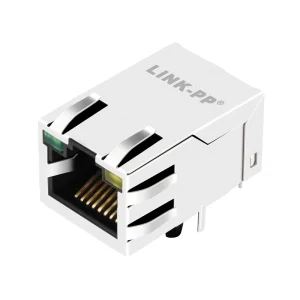
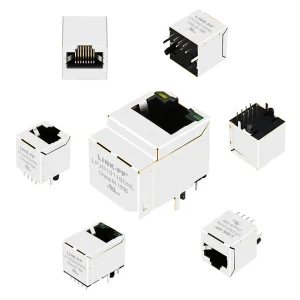
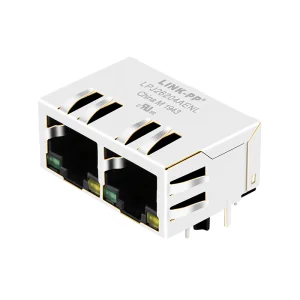
Standard RJ45 connectors lack isolation, making them vulnerable to electromagnetic interference (EMI) and ESD events. Modern designs integrate the isolation transformer, common mode chokes, and status LEDs directly inside the metal shielding of the connector (MagJack design). This saves board space, minimizes parasitic capacitance, and ensures compliance with IEEE 802.3 electrical isolation requirements.
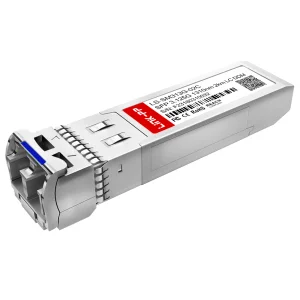
Optical modules (SFP, SFP+, SFP28) must operate seamlessly across multi-vendor switch architectures. By strictly adhering to MSA specifications, modules achieve standard dimensions, electrical pin assignments, and register maps (such as I2C communication). This standardization allows hot-swappable optical modules to deliver real-time optical diagnostics, including DOM/DDM telemetry, across major hardware brands.
For links up to 40km, high-precision lasers (like DFB and EML lasers) are paired with optical detectors (such as PIN or APD receivers). Designing transceivers requires optimizing transmitter eye diagrams and receiver sensitivity to maintain low Bit Error Rates (BER) across temperature variations. Proper optical packaging ensures alignment tolerances within single-digit micrometers, preventing optical return loss.
Decentralized manufacturing can introduce latency, QC drift, and component mismatch. Sourcing physical connectors and optical transceivers directly from Shenzhen and Yangtze River Delta tech clusters provides significant efficiency, technical capability, and supply chain security advantages.
By operating with a network of over 1,200 supply chain partners, FiberNova secures continuous access to premium components. This includes precision molding resins, specialized copper alloys, optical sub-assemblies (TOSA/ROSA), and advanced semiconductor chipsets, protecting production from material shortages.
Led by 65 engineers, our R&D center supports custom housing, wavelength tuning, internal magnetics adjustment for specific PHY chipsets, and localized PCB routing. This enables rapid prototyping and allows us to launch approximately 120 new products every year.
Our 45-person QC team conducts rigorous testing on all products. Every optical transceiver undergoes 100% optical performance verification, temperature cycling from -40°C to +85°C, and signal integrity testing to ensure reliability under harsh field conditions.
Sourcing networking components globally requires navigating regulatory frameworks, electrical certifications, and technical compatibility. Enterprise network builders need components that are compliant and ready for immediate deployment.
Modern connectivity systems must meet strict international standards before deployment in enterprise networks:
Global integration requires responsive technical and logistical support. We help streamline procurement through:
High-density ethernet connectors and transceivers operate in diverse networking environments, each with its own electrical and physical challenges.
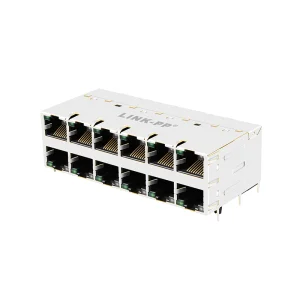
Within Leaf-Spine topologies, data transmission speeds reach up to 25G, 100G, and 400G. High-speed optical modules (SFP28, QSFP28) enable clean signal transitions over long runs, while low-profile, multi-port RJ45 connectors help maximize density on high-port switches.
Industrial Ethernet networks face high physical stress, including vibrations, wide temperature fluctuations, and electromagnetic noise. Vertically integrated MagJacks with robust internal shielding help prevent packet loss and protect equipment from high-voltage spikes.
Edge computing nodes deploy optical transceivers for high-speed uploads and PoE-compatible RJ45 jacks to power remote hardware, combining data transmission and power delivery into a single, compact physical interface.
Step inside FiberNova's production plant, featuring automated SMT packaging, high-speed optical alignment lines, cleanrooms, and testing facilities.
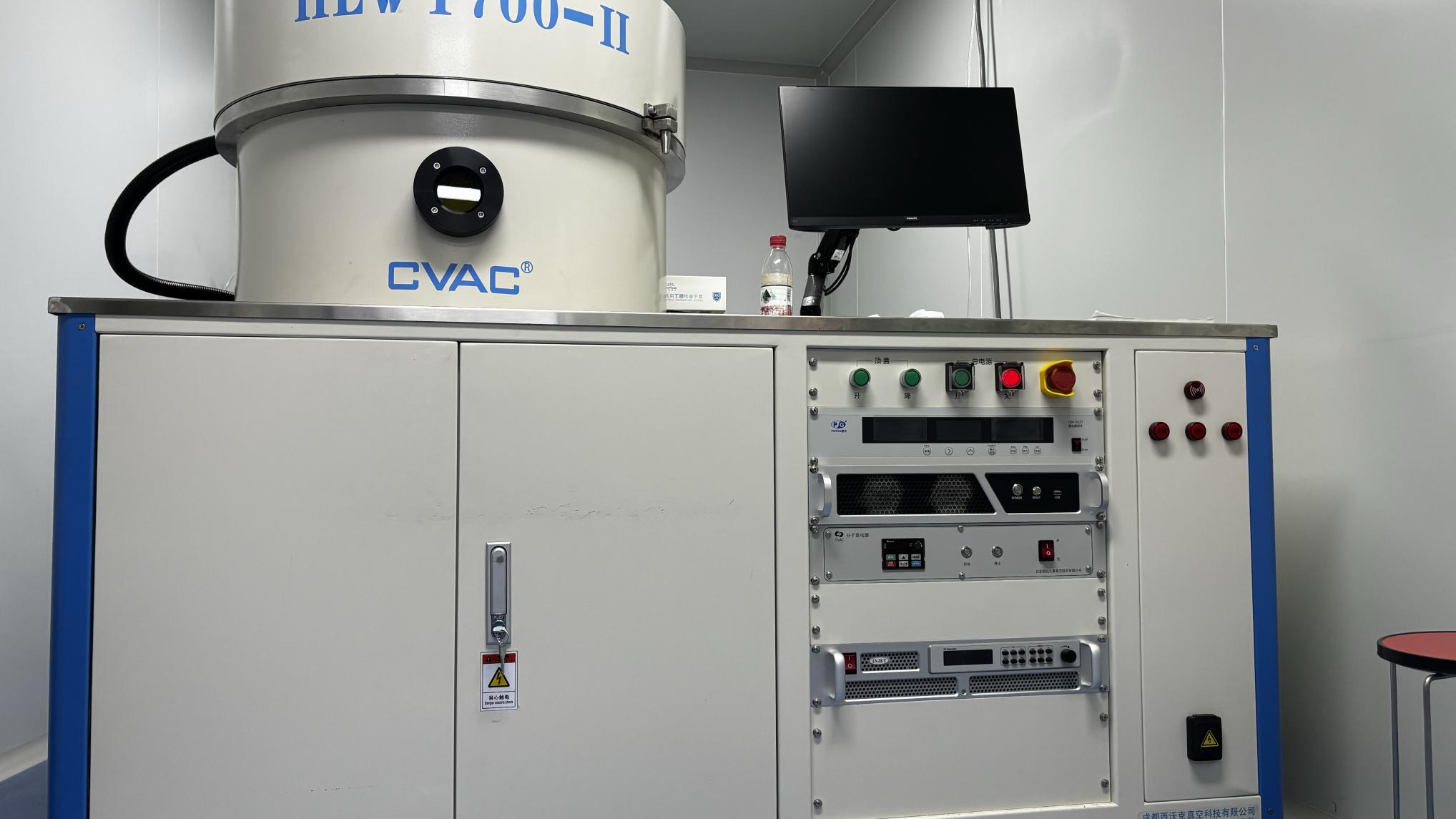
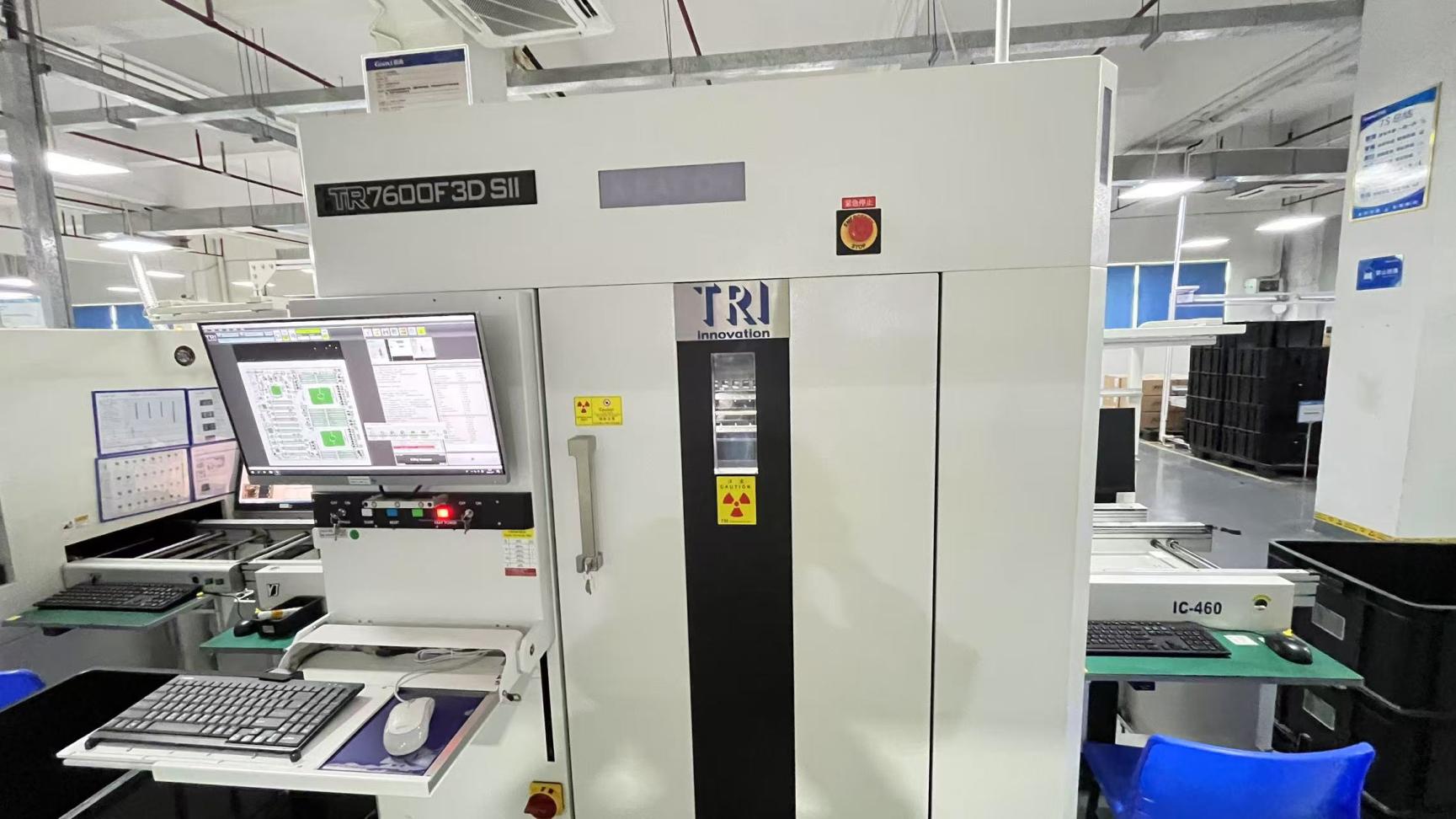
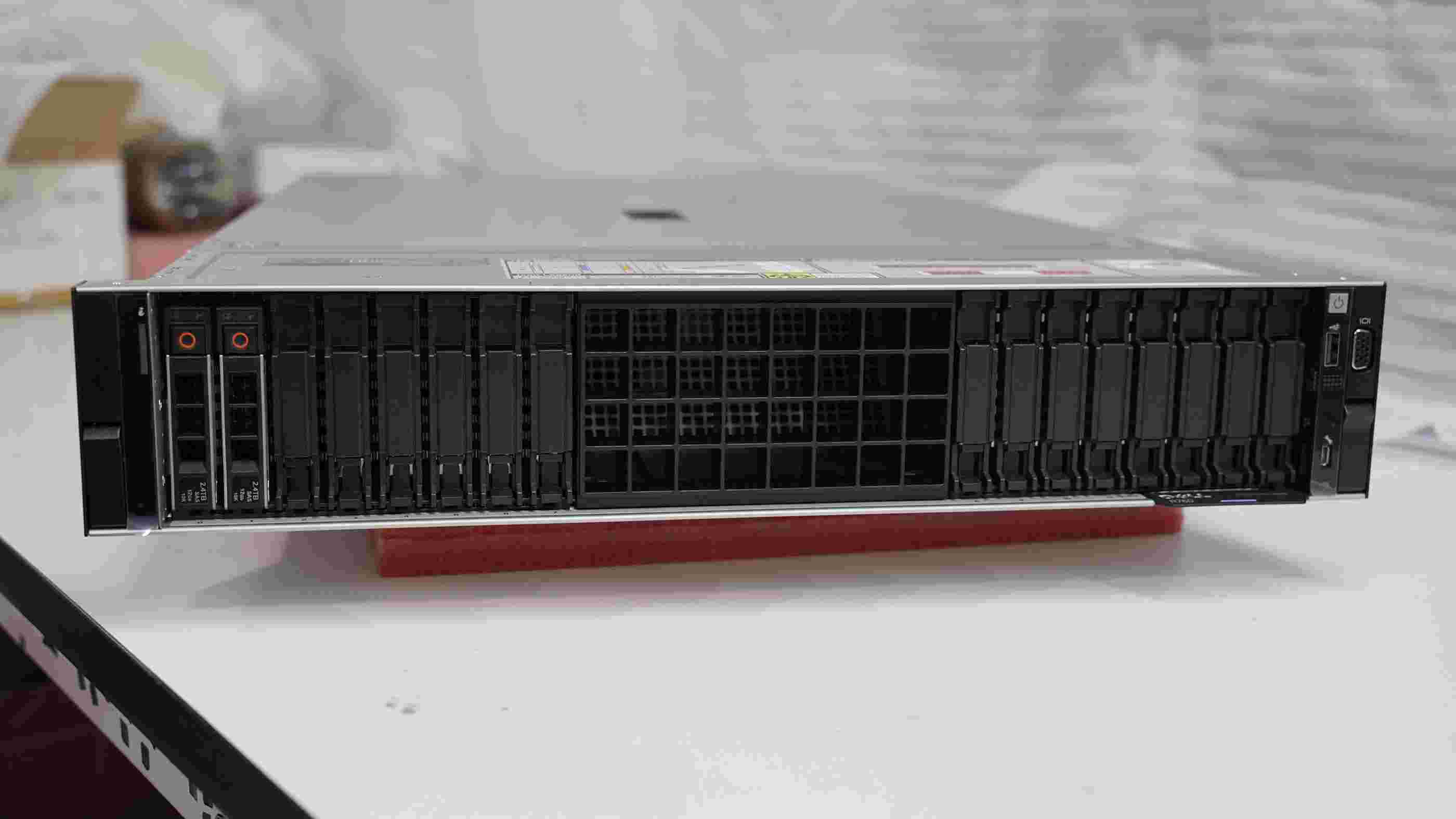

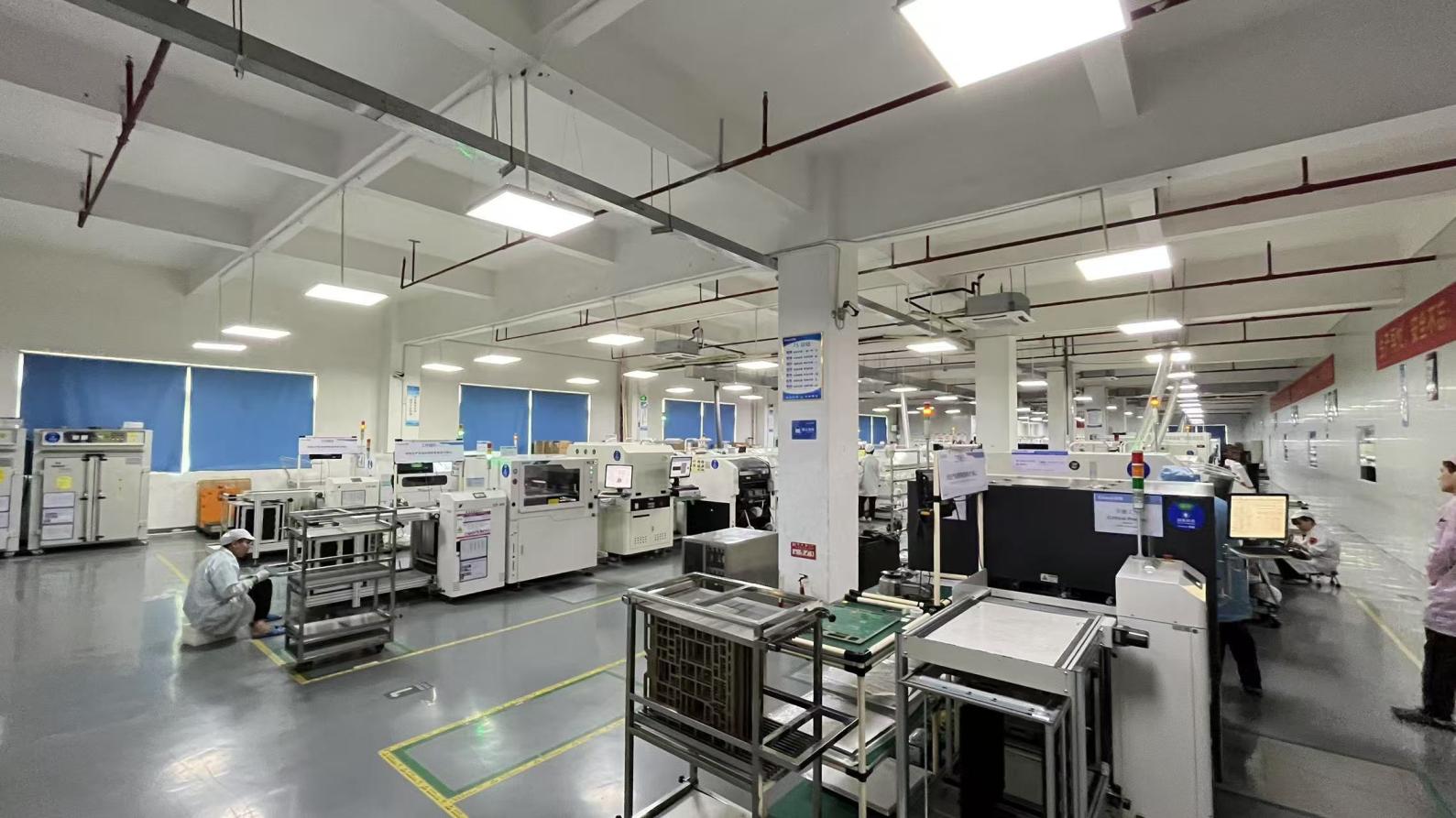
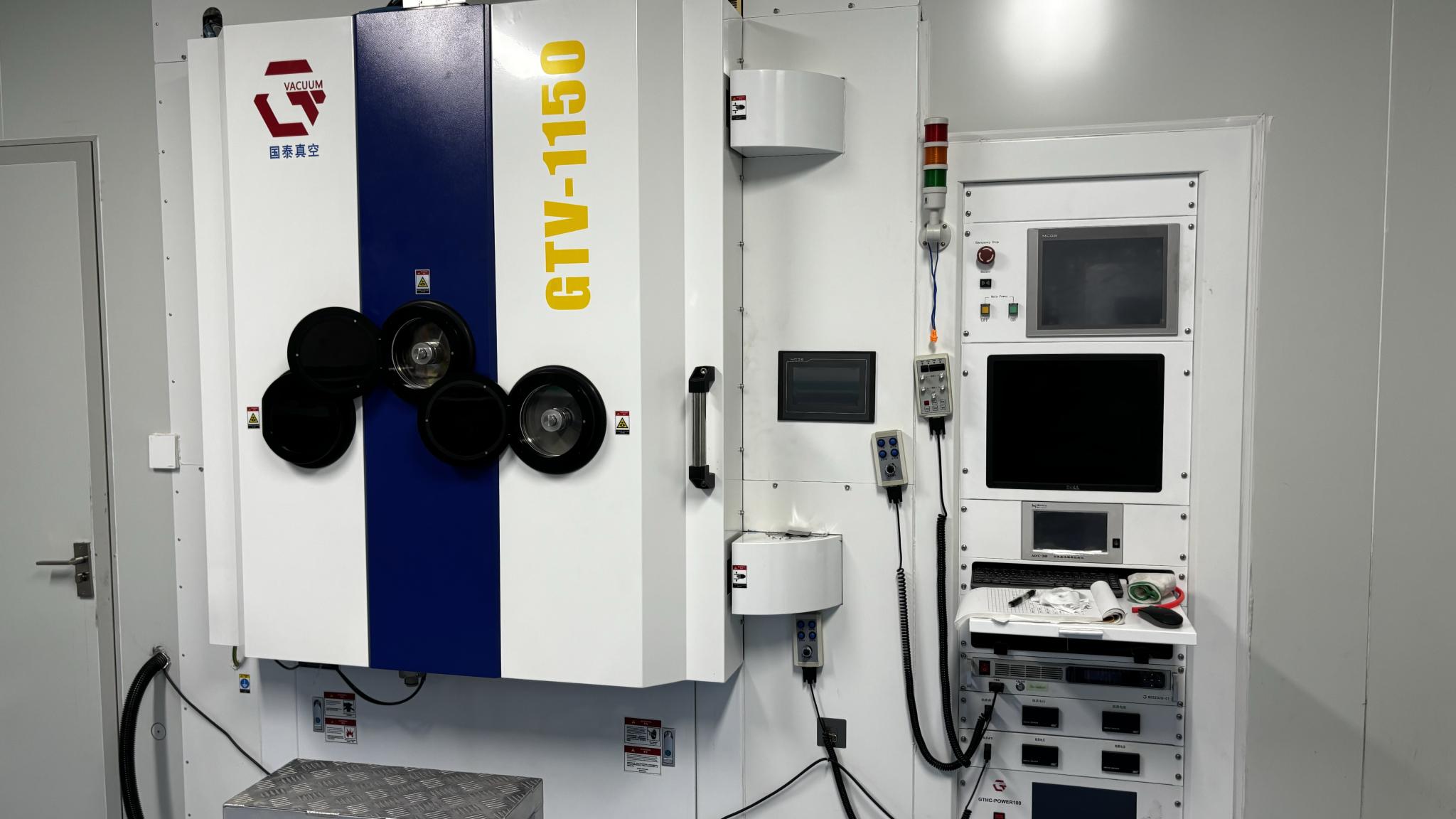
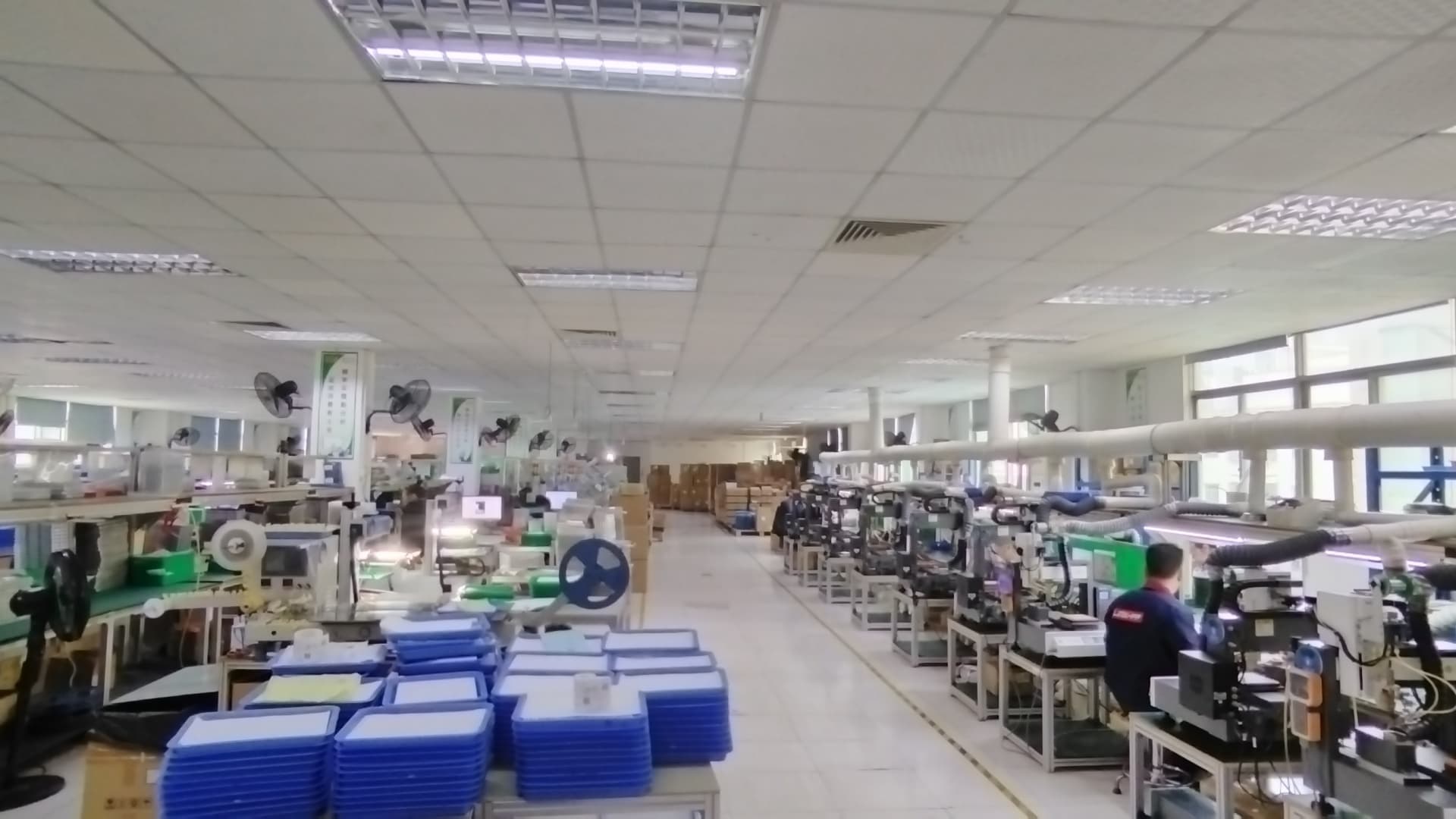
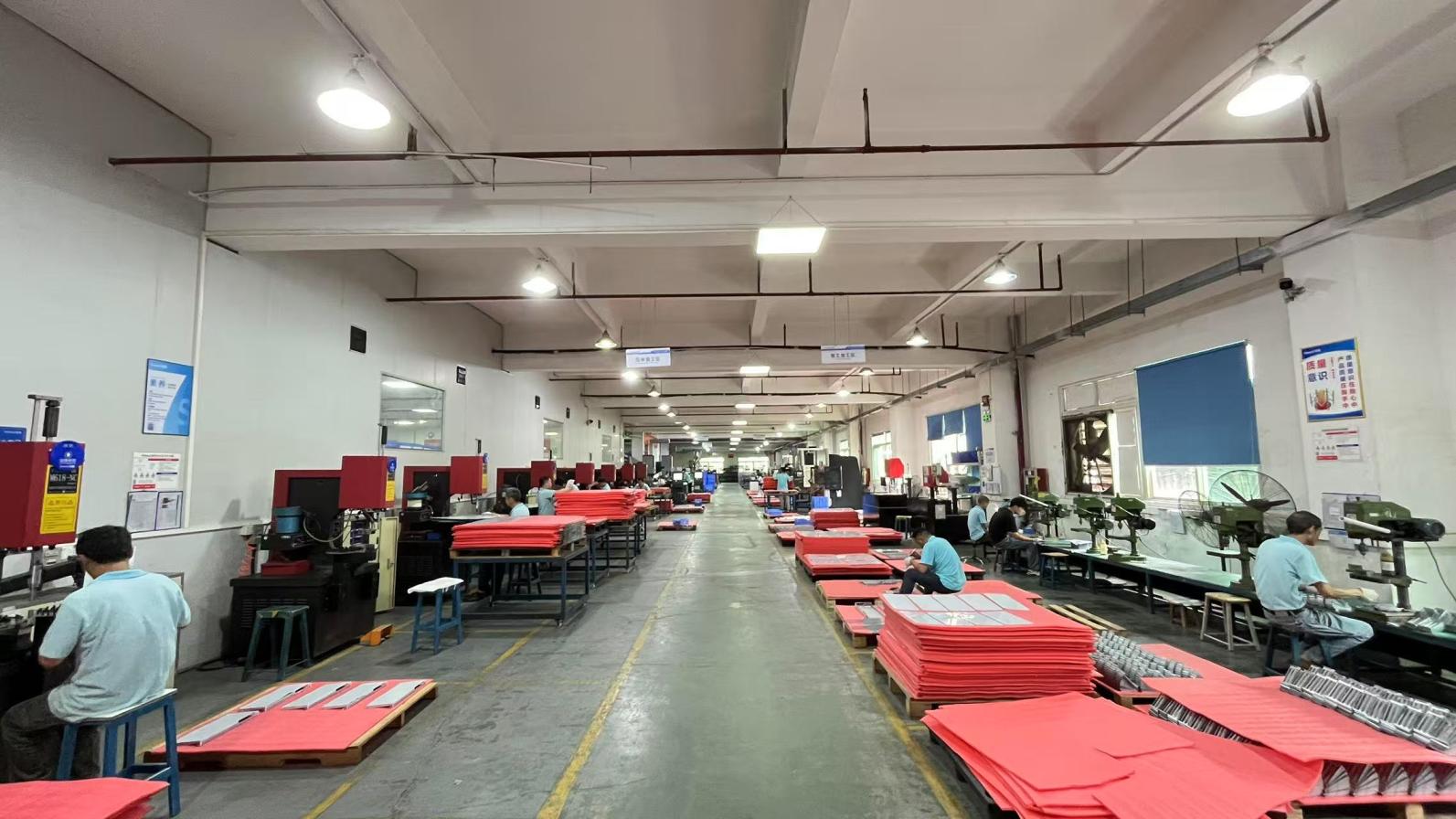
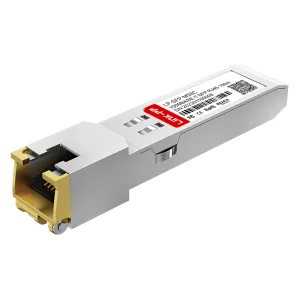
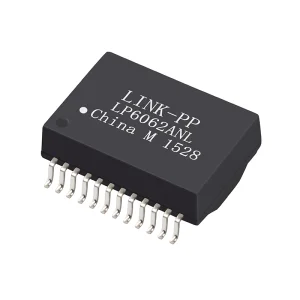
Explore our selection of SFP copper transceivers, vertical PCB jacks, and single-port LAN magnetic transformers designed for high-density network architectures.
 FiberNova