Explore our precision-engineered connectors, SFP cages, transceiver modules, and magnetic couplers designed for structural performance and data integrity.
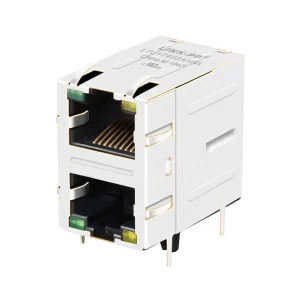
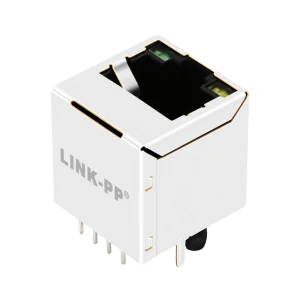
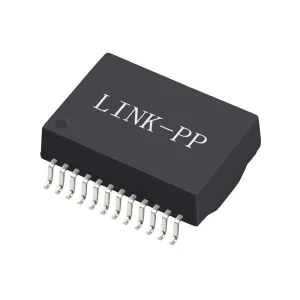
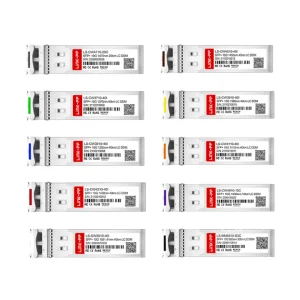
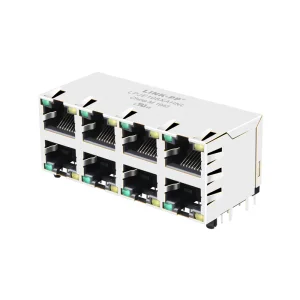
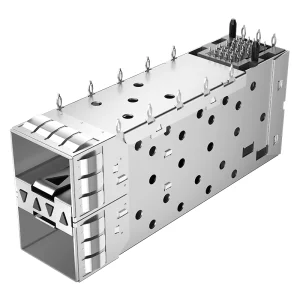
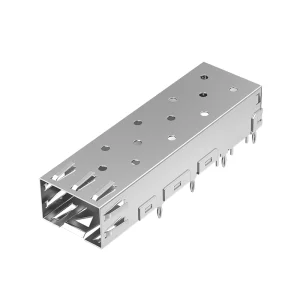
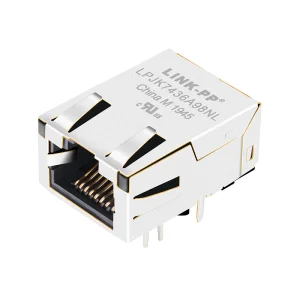
In modern optical networking, bandwidth density and spatial optimization dictate the capital expenditure (CAPEX) and operating profiles of telecommunication carriers. The standard Small Form-Factor Pluggable (SFP) footprint, long the workhorse of optical interconnects, presents a physical limitation when scaling to high-density line cards. This limitation catalyzed the development of the Compact Small Form-Factor Pluggable (CSFP) multi-source agreement (MSA).
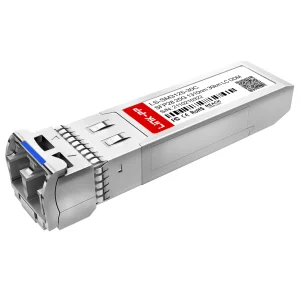
By integrating two independent optical transceiver channels into a single SFP envelope, CSFP doubles the density of transceiver ports without modifying the standardized SFP line card pitch. Unlike standard BiDi transceivers which use one fiber to transmit and receive a single channel, a CSFP module operates with two bidirectional channels across two separate single-mode fibers via a specialized high-density electrical connector interface. This architecture halves the physical footprint on host switch boards, allowing hardware manufacturers to deploy 48-port configurations in spaces originally restricted to 24 ports.
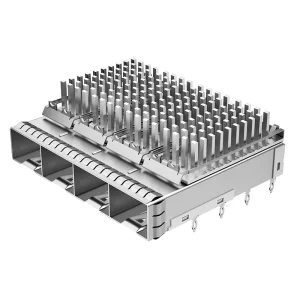
Doubling components within the identical SFP physical envelope demands advanced thermal dissipation profiles and precise electromagnetic interference (EMI) containment. The electrical connector must isolate high-speed differential signal pairs to prevent near-end crosstalk (NEXT) and far-end crosstalk (FEXT) in systems operating up to 10 Gbps and 25 Gbps per channel.
FiberNova Optical Communication Tech Co., Ltd. (FiberNovaTransceivers.com) is an industry-recognized, professional optical transceiver manufacturer established in 2016. From our modern production facility covering approximately 380㎡, we specialize in high-reliability passive interconnect components, optical transceivers, and structural cage assemblies. Guided by a core engineering team with over 12 years of industry expertise, we deliver robust solutions designed for next-generation telecom and enterprise environments.
Supported by 65 specialized R&D engineers, focusing on high-speed transmission technologies including 10G, 25G, 100G, 400G, and 800G optical modules.
Our quality assurance program employs 45 dedicated QC professionals executing 100% optical verification, temperature cycling, and signal integrity mapping.
With over 6 years of export experience, we manage an annual export volume of USD 8–15 million, serving operators and integrators globally.
Our operational framework ensures seamless support for both OEM and ODM configurations. In the past year alone, FiberNova brought approximately 120 new products to market, addressing custom wavelength demands, specialized housing designs, EEPROM protocol coding, and specific mechanical configurations for multi-vendor compatibility.
The practical application of Compact SFP connectors varies across international markets, dictated by local utility regulations, legacy network densities, and regional investment strategies:
As transmission demands transition from 10G/25G to 100G, 400G, and 800G paradigms, the mechanical and electrical specifications of connector interfaces face severe challenges. FiberNova's R&D department actively researches these evolving technologies to maintain alignment with industry requirements:
Structural Advancements: Traditional soldering is increasingly replaced by press-fit (solderless) connections, minimizing signal reflections at high frequencies. Our press-fit cages feature precise elastic contacts that secure modules with low insertion force and high retention strength, preventing signal loss under vibration.
Thermal Engineering: Advanced thermal modeling has led to integrated heat-sink cage designs. These systems maximize heat transfer from the optical transceiver to the ambient air path, ensuring that CSFP modules remain within their operational temperature ranges (commercial: 0°C to 70°C, industrial: -40°C to 85°C).
Electro-Magnetic Interference (EMI) Mitigation: Higher data rates translate to shorter wavelengths, making systems more susceptible to EMI leakage. FiberNova cages integrate custom beryllium copper (BeCu) EMI gaskets and ground tabs, providing excellent shielding effectiveness up to 40 GHz.
Co-Packaged Optics (CPO): Looking forward, we are researching integration techniques that place optical engines directly onto the host ASIC substrate. This approach minimizes trace lengths, reduces insertion loss, and significantly lowers overall power consumption.
FiberNova's facility in China benefits from a robust regional industrial ecosystem. Our production model ensures consistent supply chain stability, component quality, and cost efficiency:
In high-speed data transmission, reliability is critical. FiberNova operates under strict quality standards to ensure our products perform reliably in demanding environments:
CE Certification & Safety Compliance: Our products carry full CE certification, complying with the Electromagnetic Compatibility (EMC) Directive 2014/30/EU and the Low Voltage Directive (LVD) 2014/35/EU. Additionally, our components adhere to RoHS 2.0 (Directive 2011/65/EU and amendment 2015/863/EU) standards, ensuring they are free of hazardous substances.
100% Quality Control Testing Regimes:
Detailed engineering and procurement answers regarding Compact SFP technology, compatibility, and quality control.
A standard BiDi (Bidirectional) SFP transceiver uses one optical fiber port to transmit and receive data (using two different wavelengths, like 1310nm/1490nm). A CSFP (Compact SFP) module integrates two independent BiDi transceiver channels inside one standard-sized SFP package. It features two separate optical ports and a specialized electrical connector interface, allowing hardware designers to double port density on the switch without changing card dimensions.
We maintain an extensive compatibility database and a dedicated testing lab equipped with major switch platforms from leading vendors (including Cisco, Juniper, Huawei, Arista, and HP). Our engineers program each module's EEPROM with vendor-specific configuration codes, serial numbers, and checksums in accordance with the SFF-8472 digital diagnostic monitoring interface (DDMI) specification to prevent compatibility warnings during deployment.
Press-fit (elastic-pin compliant) SFP cages are pressed into through-holes on the host PCB without soldering. This reduces assembly heating stress and avoids cold-solder joint failures. Mechanically, they provide a reliable, low-impedance connection to the chassis ground, minimizing EMI leakage. Thermally, press-fit designs leave room for integrated heat sinks, which draw heat away from high-power-consumption transceivers.
Yes, we specialize in OEM/ODM customization. We support specific optical wavelengths across single-mode and multi-mode systems, including CWDM grid wavelengths (1270nm to 1610nm with 20nm spacing) and DWDM grids (ITU 100GHz/50GHz channels) for long-range, high-bandwidth applications.
A look inside FiberNova’s manufacturing operations, advanced testing laboratories, and quality assurance processes.
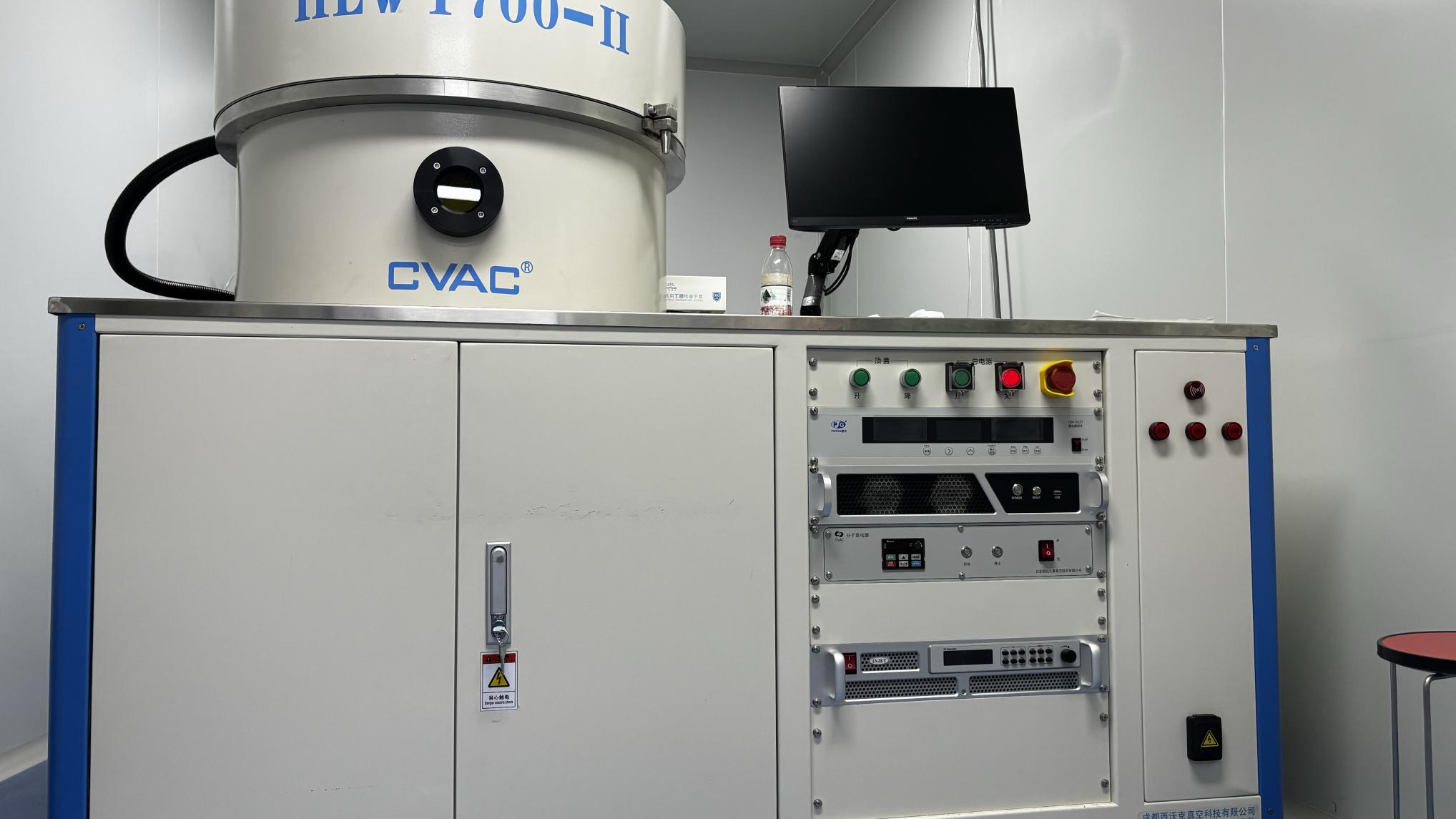

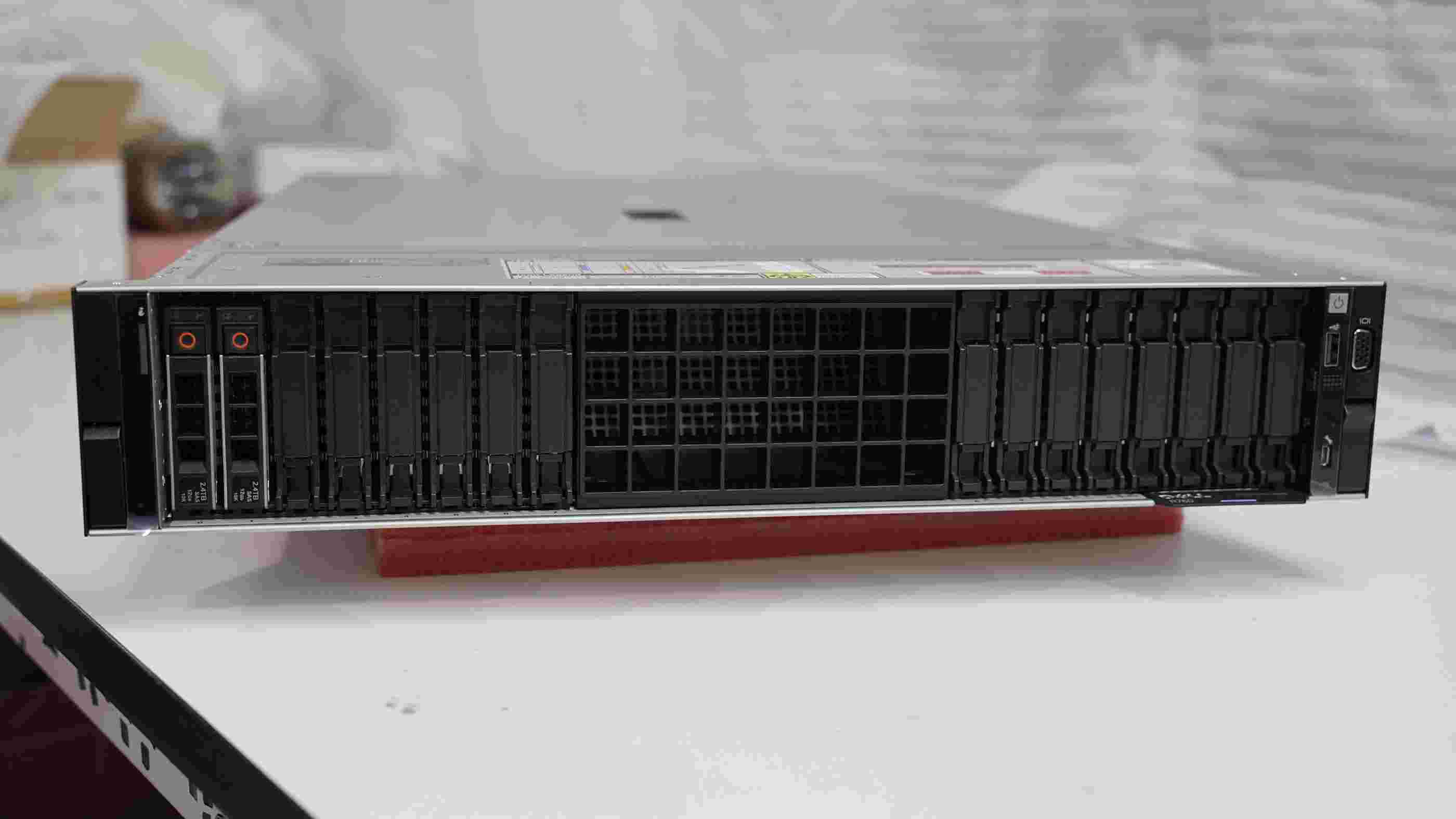

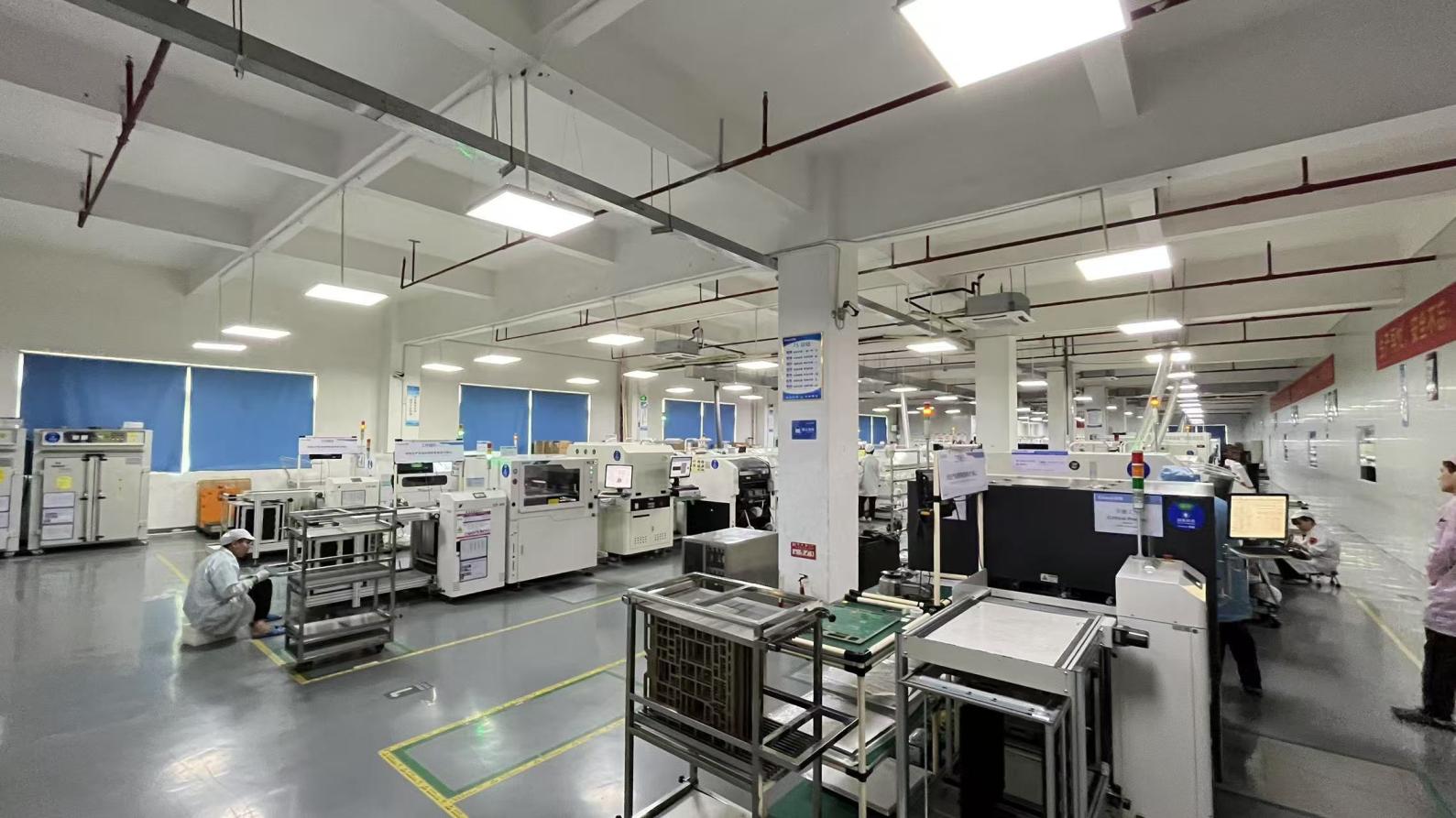
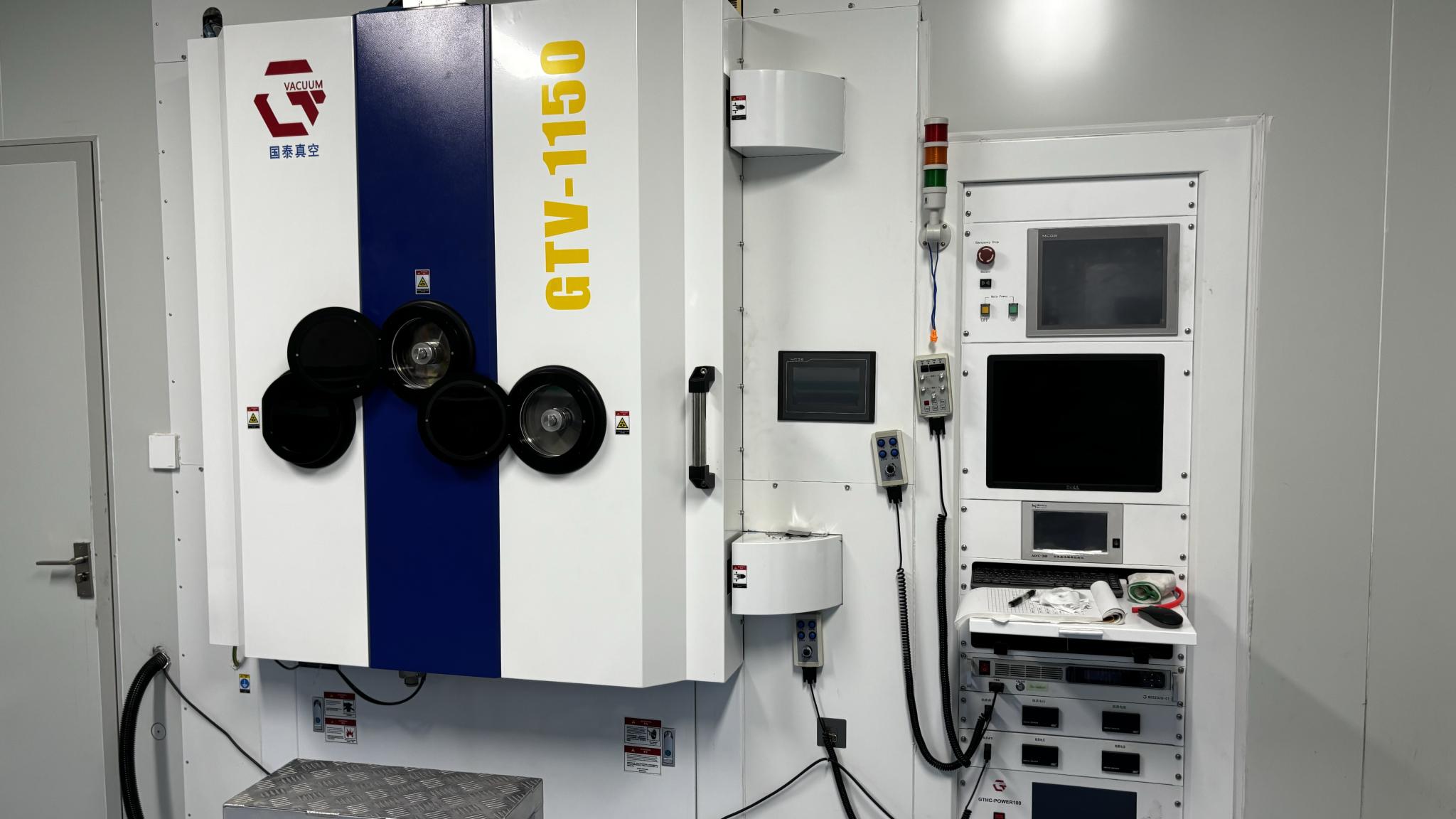
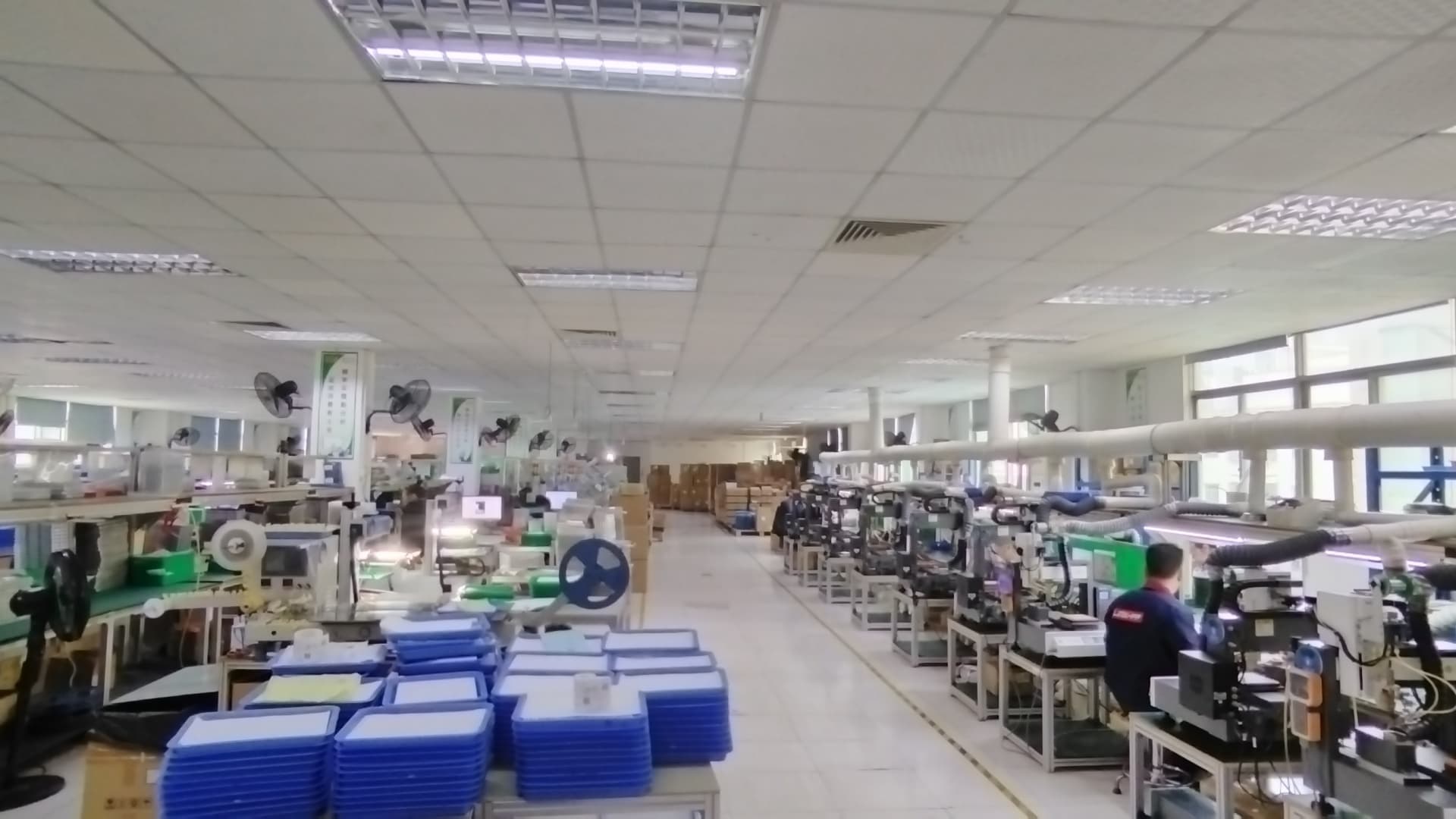
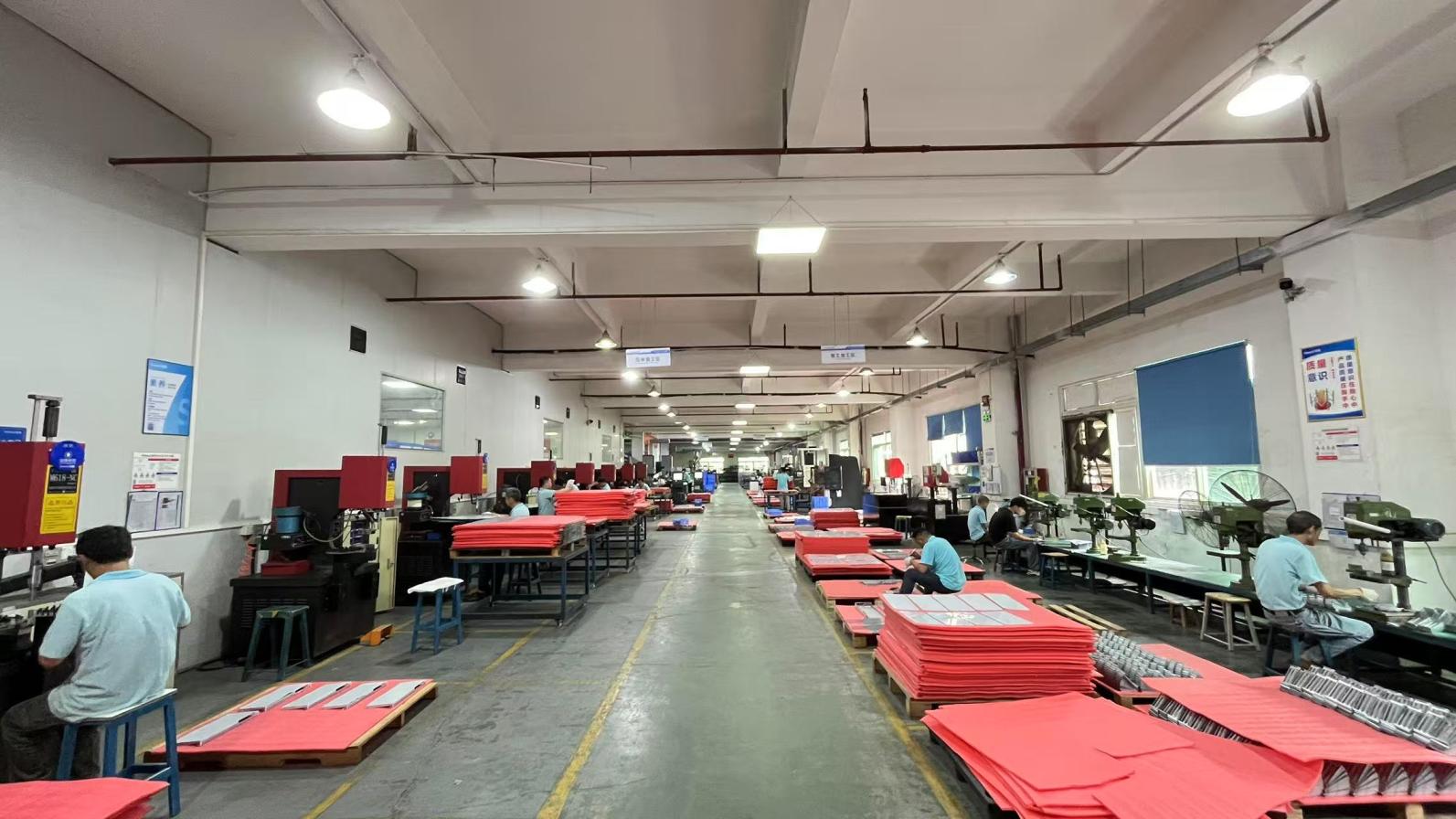
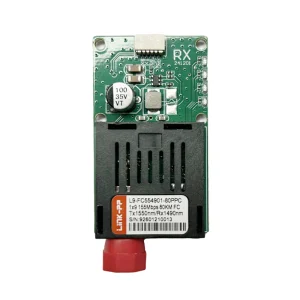
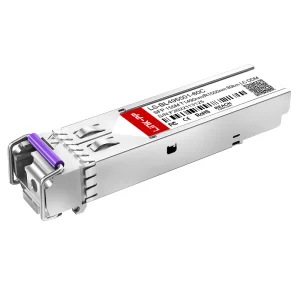
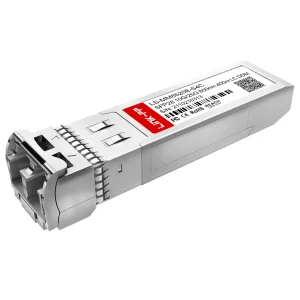
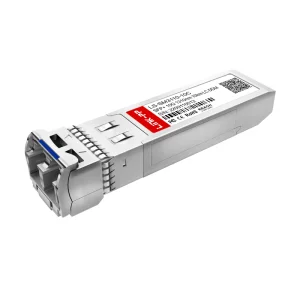
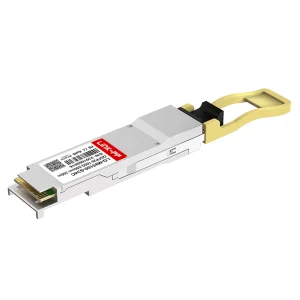
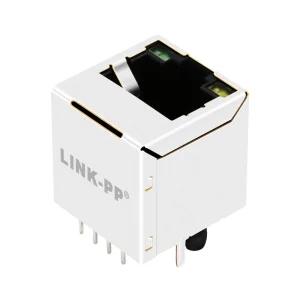
A comprehensive selection of single-mode, multi-mode, and high-frequency connectors designed for carrier-grade applications.
 FiberNova