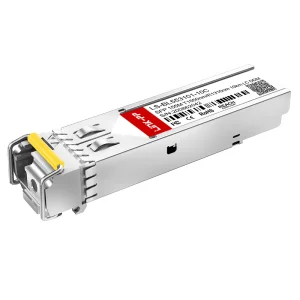
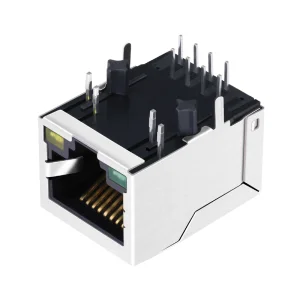
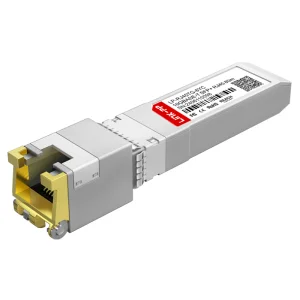
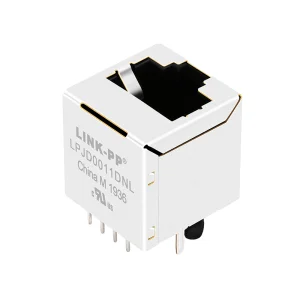
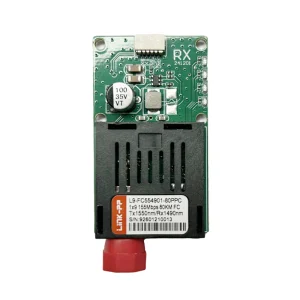
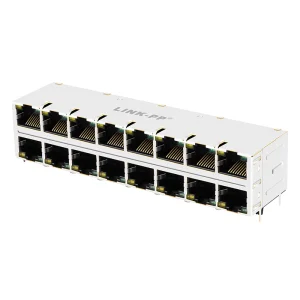
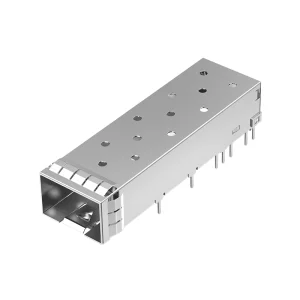
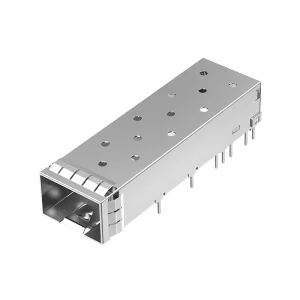
In the rapidly changing architecture of modern networking systems, high-density hardware structures represent the critical backbone for next-generation telecommunication grids and automated factory environments. Compact Ethernet Connectors, Multi-Port SFP/SFP+ Cage systems, and hybrid RJ45 modules act as the literal bridges facilitating high-speed data exchanges. As data loads surge due to IoT deployments, cloud-scale virtualization, and ultra-low latency demands in edge computing, hardware components must operate at maximum capability while matching space-saving structural configurations.
As a premier CE Certified Compact Ethernet Connector Exporter, FiberNova Optical Communication Tech Co., Ltd. remains committed to satisfying the rigorous mechanical and electrical standards required by global network architects. We engineer high-performance interfaces that prevent signal distortion and electromagnetic interference (EMI) while minimizing structural footprints. By supplying reliable hardware solutions to customers across North America, Europe, Southeast Asia, and the Middle East, our technical teams contribute directly to structural efficiency enhancements on global communications platforms.
Mitigating attenuation and cross-talk at extreme frequencies up to 10G/25G and beyond with advanced gold-plated alloy contacts and integrated magnetics.
Fully compliant with European LVD and EMC directives, ensuring safe deployment in sensitive telecommunication and medical networking systems.
Engineered for press-fit and surface mount (SMT) connections to withstand intense operating temperatures and vibration cycles.
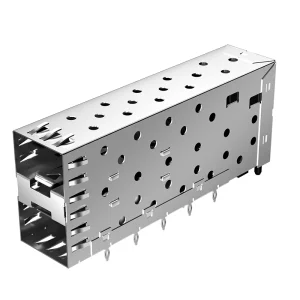
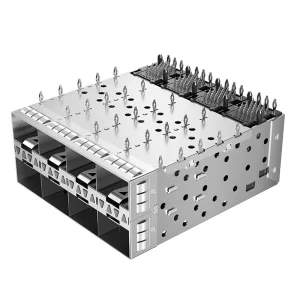
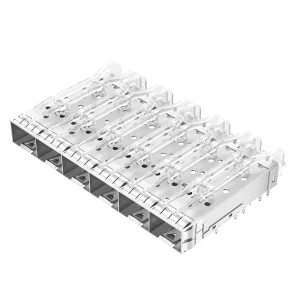
Physical board real estate on modern network switches is premium. Utilizing stacked topologies (such as stacked 2x1, 2x4, and 2x8 port configurations) allows engineers to maximize the port concentration along the physical front panel. For instance, integrated connectors with SFP/SFP+ options, like our *TE Compatible 2007394-6 through-hole SFP+ cage*, pack up to 160 contact pins into a high-strength chassis layout. These designs drastically minimize footprint metrics when compared against single-row connector solutions, while enabling consistent multi-gigabit throughput.
At frequencies exceeding 10 GHz, electrical signals flowing through connector tracks behave like electromagnetic waves rather than basic currents. Consequently, every physical contact point causes impedance mismatch, return loss, and crosstalk. FiberNova uses premium copper alloys with multi-layer gold plating (often 30µ" to 50µ" thickness) on connection surfaces to guarantee extremely low contact resistance.
Furthermore, electromagnetic interference (EMI) is mitigated through surrounding metal shields (composed of nickel-plated copper alloys or stainless steel) that direct stray EMI signals safely into the system chassis ground. Integrated light pipes in multi-port SFP cages are engineered to route indicator LEDs from the PCB to the outer cover plate without compromising the shielding integrity of the front panel gasket.
Different deployment environments demand customized performance targets. The table below represents the core parameters maintained within FiberNova's engineering labs:
| Interface Type | Data Rate Compatibility | EMI Shielding Efficiency | Insertion Force (Max) | Typical Lifecycle |
|---|---|---|---|---|
| SFP+ Integrated Cage | 1 Gbps - 16 Gbps | > 45 dB (at 10 GHz) | 40 N | > 250 mating cycles |
| QSFP+ Transceiver | 40 Gbps | > 50 dB (at 20 GHz) | 50 N | > 100 mating cycles |
| Modular RJ45 Shielded | 10/100/1000 Mbps | > 30 dB (at 100 MHz) | 20 N | > 750 mating cycles |
| Copper RJ-45 SFP+ Module | 10 Gbps (up to 80m) | > 40 dB (at 500 MHz) | 35 N | > 500 mating cycles |
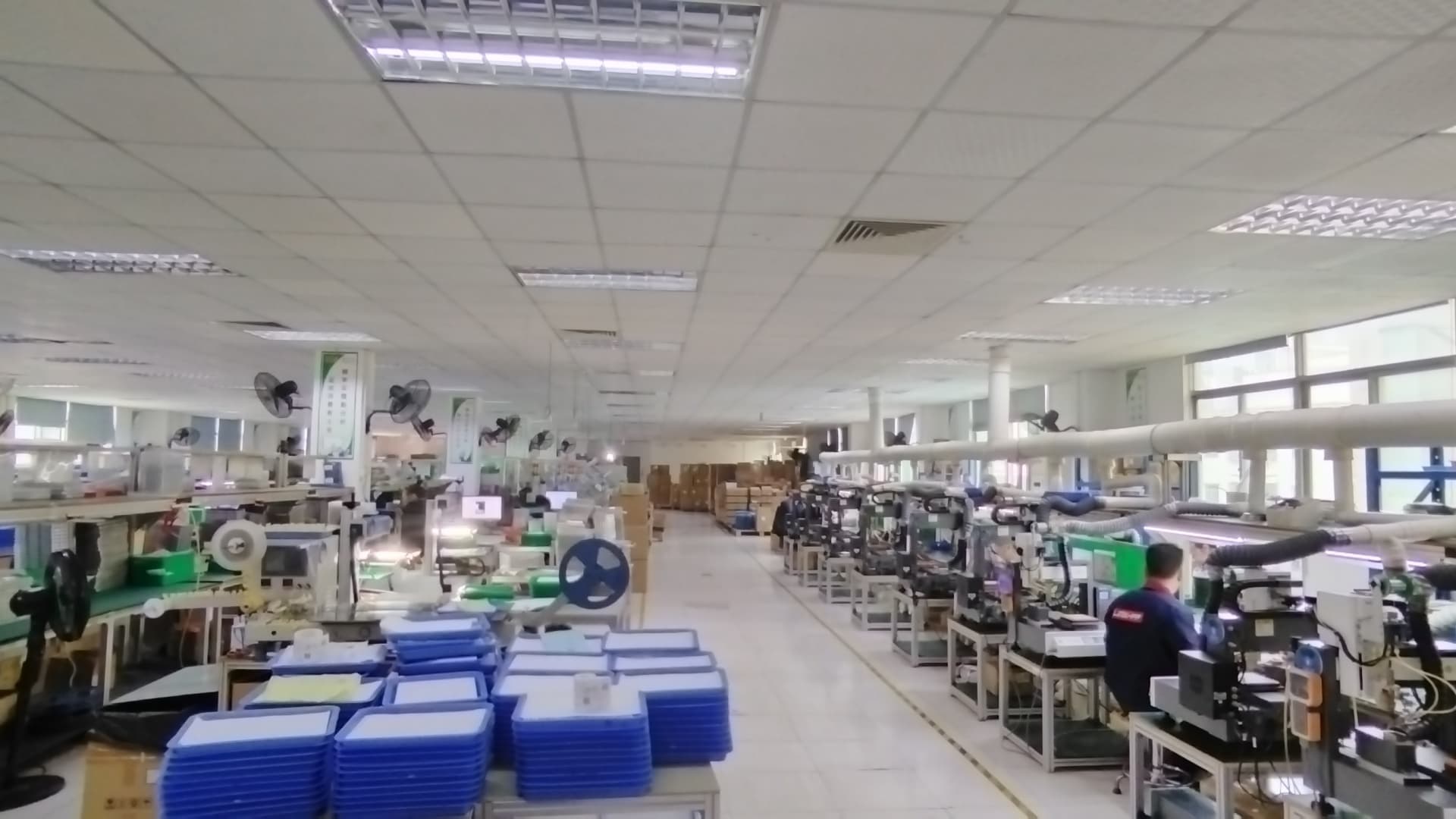
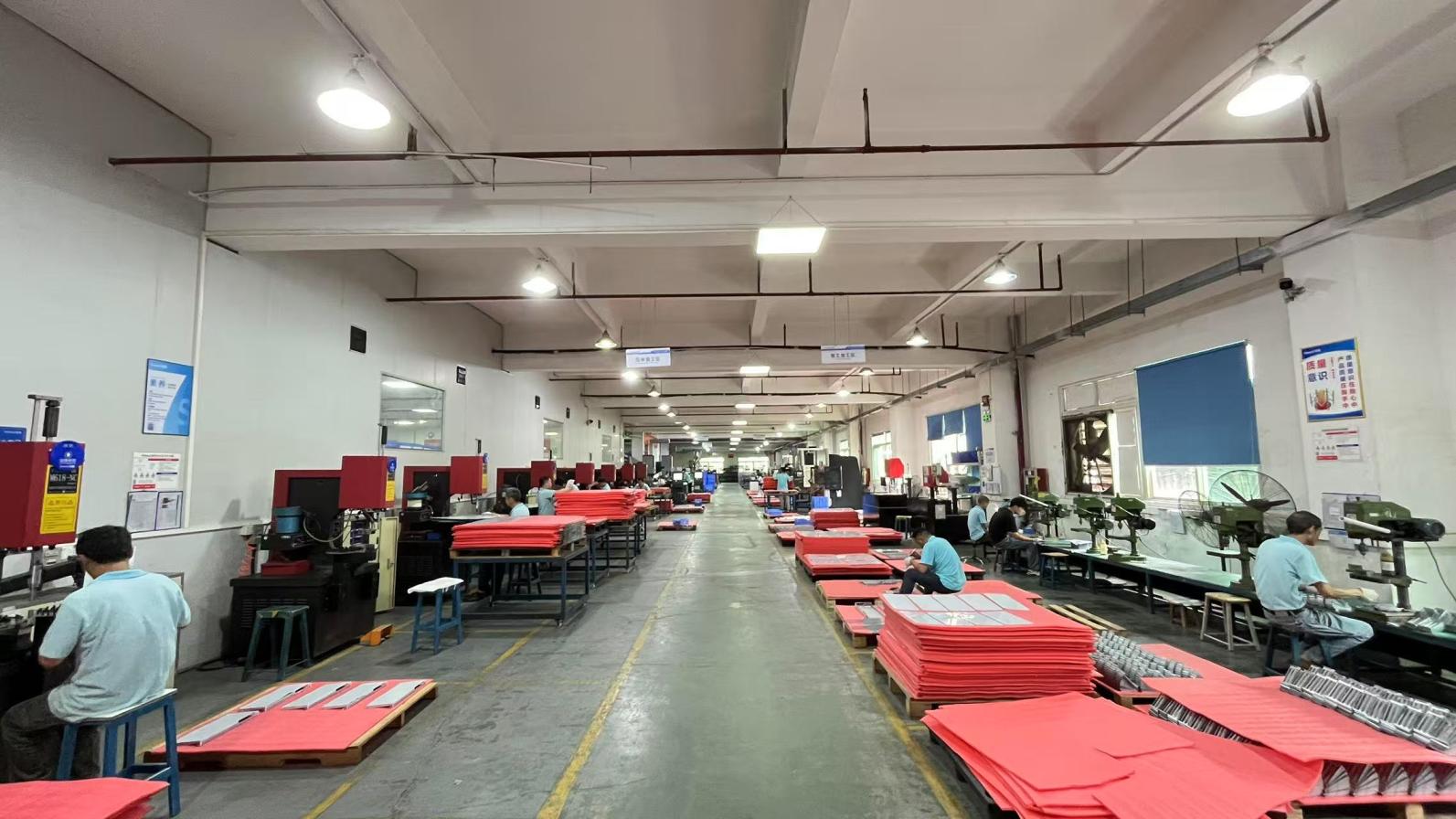
Established in 2016, FiberNova operates a highly specialized 380㎡ modern production facility specifically optimized for manufacturing and verifying high-speed optical transceivers and connector components. Backed by 12 years of industry-specific experience and a robust 6-year international export presence, we support complex OEM/ODM projects from conceptual layout stages through volume manufacturing.
Quality verification represents the foundational pillar of our operation. Our dedicated 45-member Quality Control team conducts rigorous physical inspections, electronic characterization, and operational verification procedures, including:
Through structural efficiency and components sourcing optimization with over 1,200 supply chain partners, FiberNova secures reliable access to high-grade wafers, lasers, and precision shielding shells. This strong background yields an annual export value of USD 8 to 15 million, ensuring global deliveries to tier-1 network suppliers and carriers.
Our CE-certified compact connectors and high-speed transceivers are integrated into complex macro networks and critical compute architectures.
High-density stacked SFP+ cages like 2x1 and 2x4 configurations minimize panel layout footprints on core aggregation switches, improving airflow and lowering thermal stress in top-of-rack server arrangements.
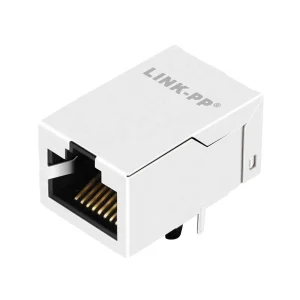
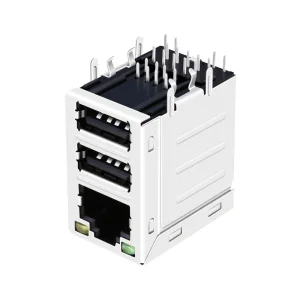
Heavy industrial production lines rely on shielded RJ45 modules to maintain constant data feeds in high electromagnetic fields (EMI) generated by machinery and high-voltage converters.
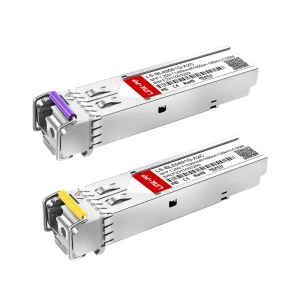
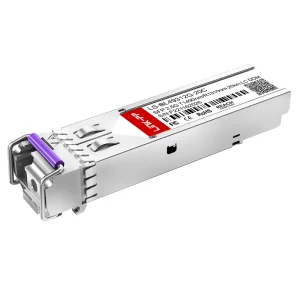
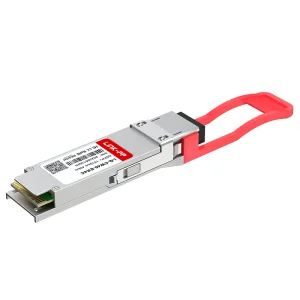
Long-range optical transceiver systems (such as BiDi 120km and 40G QSFP+ options) serve as primary transit points in metropolitan rings and distribution connections for carriers.
Compact footprint components integrated on outdoor distribution boxes support high speed throughput while resisting dust and wide temperature operations.
As networks evolve from 10G/40G configurations toward 400G and 800G, physical interconnect components face significant structural challenges. Our engineering teams, comprised of 65 specialized R&D engineers, focus on developing interfaces that meet next-generation physical limits. Our current design trajectory concentrates on three core areas:
Transitioning beyond simple NRZ (Non-Return-to-Zero) signals toward PAM4 (Pulse Amplitude Modulation 4-Level) encoding requires connectors to exhibit significantly reduced crosstalk and noise. Our latest SFP+ and QSFP+ structures feature advanced signal isolation plates that minimize Near-End Crosstalk (NEXT) and Far-End Crosstalk (FEXT) under high-speed data transmission conditions.
Increased data densities lead to higher thermal loads in transceiver housings. We are engineering cages with integrated riding heat sinks and optimized air-gap venting designs. These structural adaptations enable rapid convective heat dissipation, protecting transceiver internal processors from thermal-induced performance drops.
Through-hole reflow solder methods often introduce unwanted heat stresses to thick network PCBs. FiberNova is expanding its portfolio of press-fit (compliant pin) interface structures, allowing solderless, mechanised assembly processes that minimize board stress, maximize mechanical retention force, and simplify card rework.
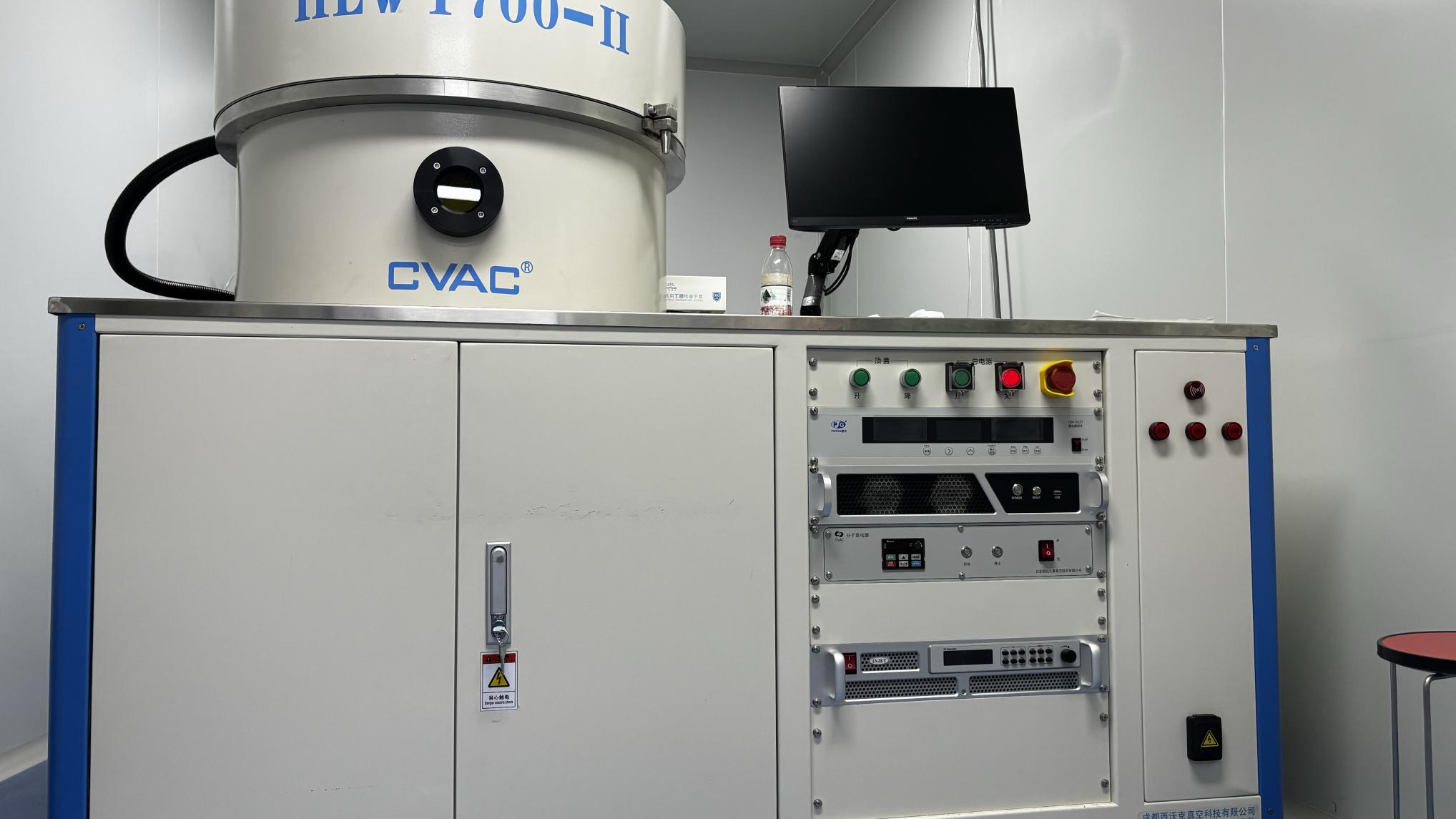
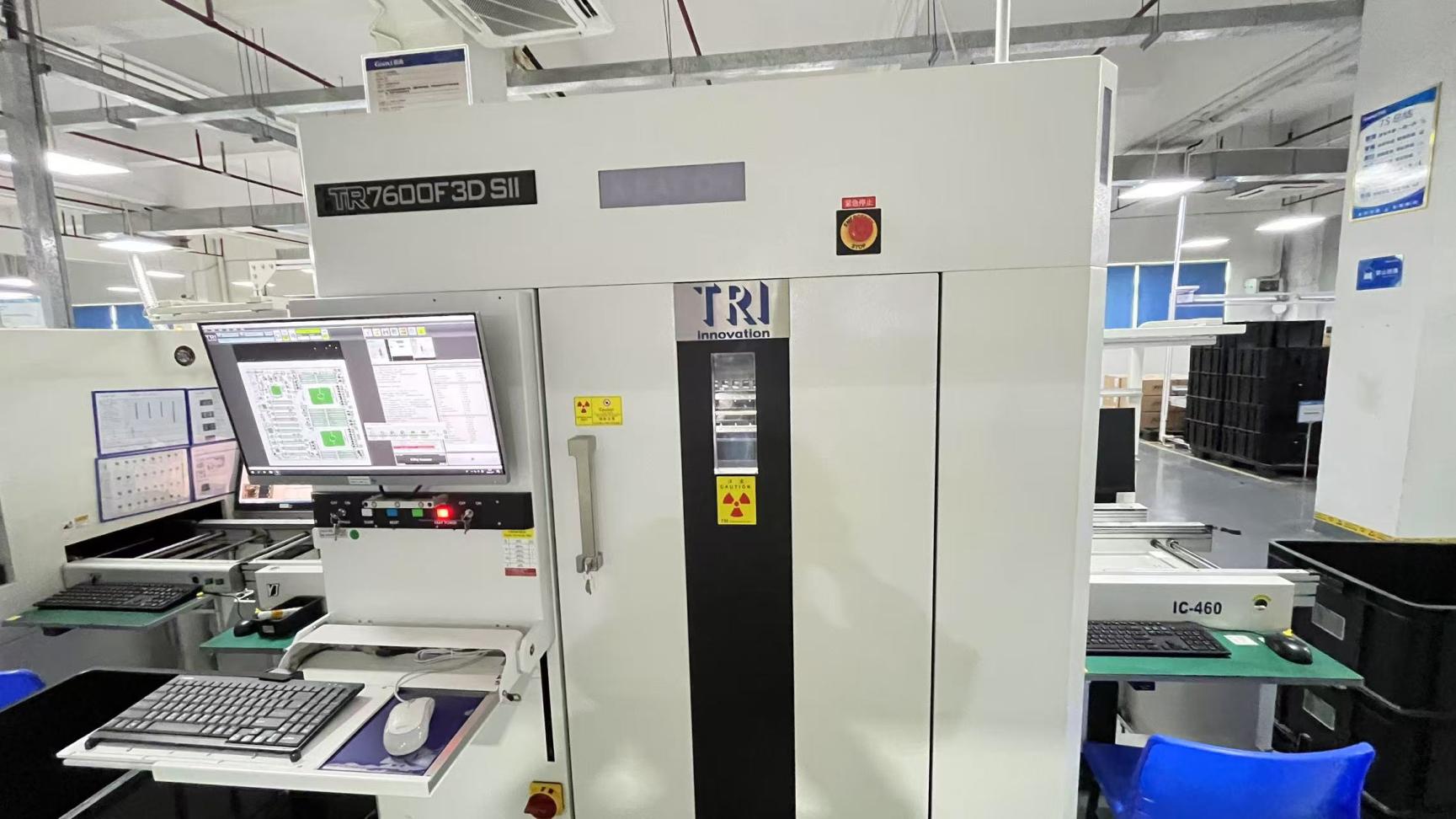
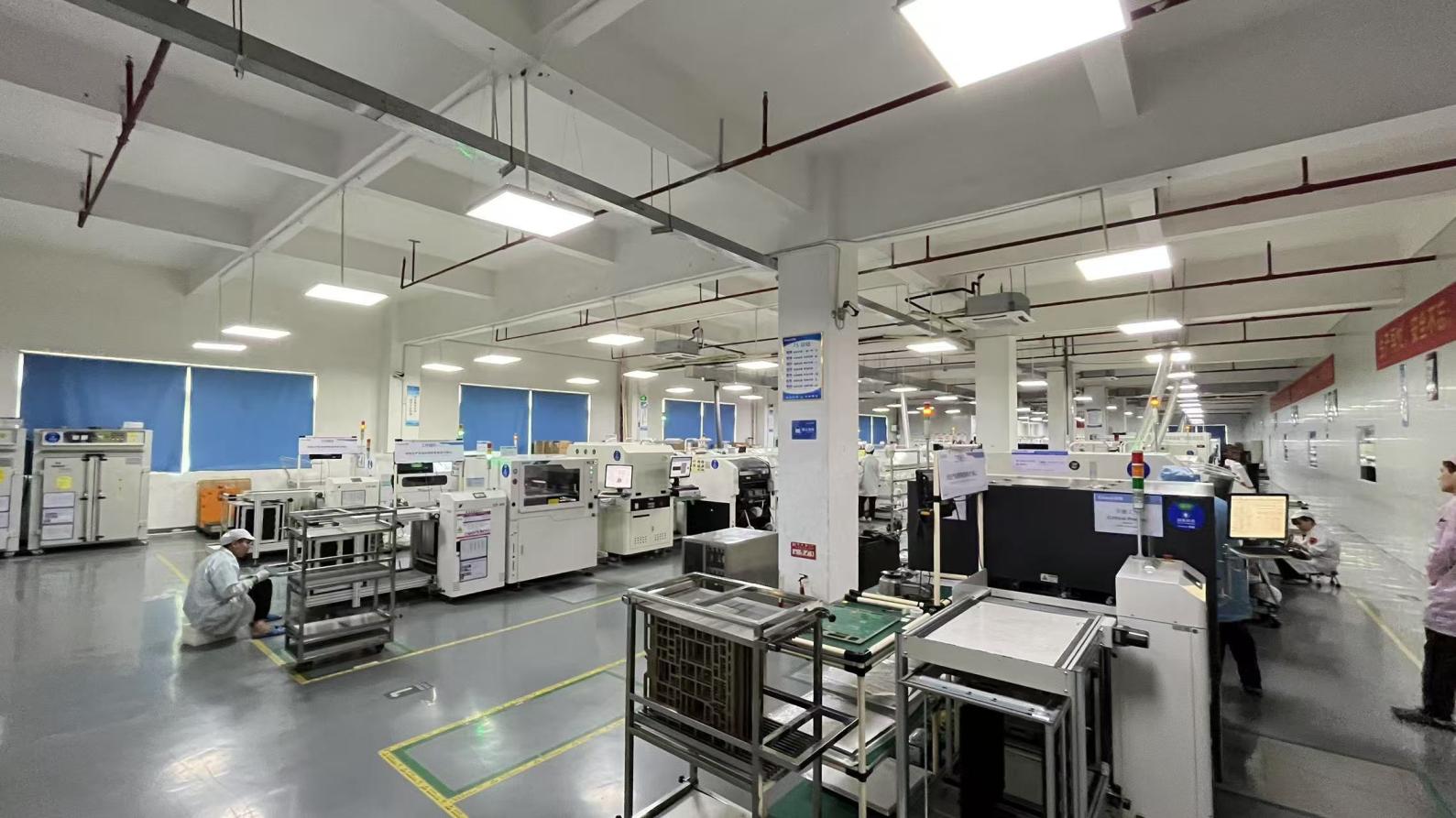
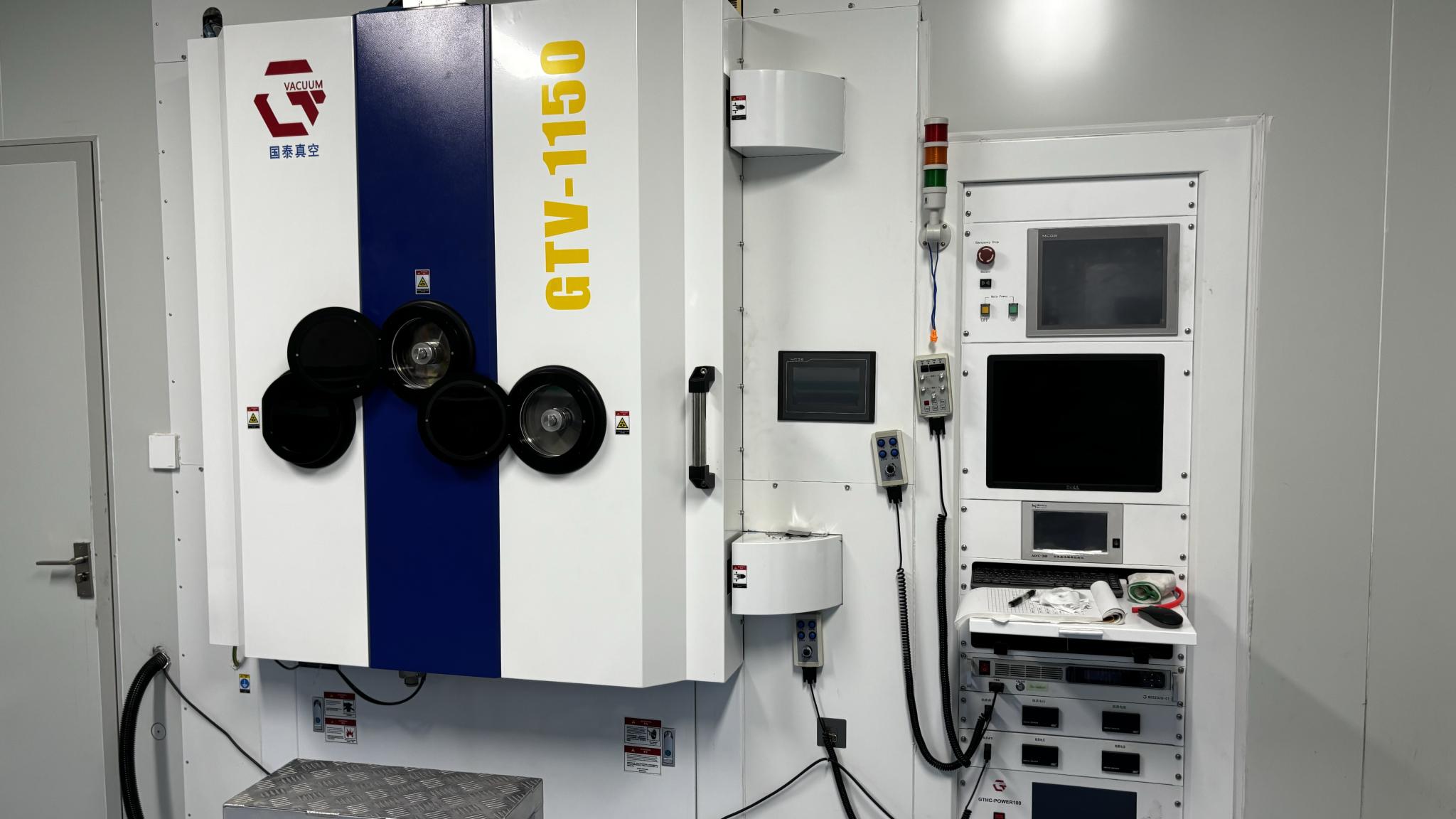
Take an inside look at FiberNova's modern production facility, cleanroom testing rooms, and state-of-the-art optical verification equipment.


CE Certification indicates that the electronic component conforms to EU safety, health, and environmental protection standards. For high-speed ethernet structures, this primarily guarantees adherence to Electromagnetic Compatibility (EMC) regulations, ensuring our modules do not release harmful high-frequency emissions nor fail due to external electrostatic discharges.
Press-fit connections utilize cold welding mechanics, where compliant pins are pressed into PCB plated through-holes. This eliminates thermal stresses on neighboring layers, reduces risk of dry solder joints, and ensures reliable connectivity under continuous physical vibration and thermal expansion cycles.
Stacked 2x4 and 2x8 port configurations restrict physical airflow on the front panel. To offset this, our structures are designed with ventilation slots and compatible profiles for mounting heat-sinks, ensuring target operating temperatures are maintained.
Yes, our R&D team provides customization services covering EEPROM microcode programming for host system validation (MSA standard compliance), wavelength customization (e.g., specific BiDi configurations), and specialized structural designs for custom housings.
Our transceivers and cages undergo rigorous hardware testing using systems from Cisco, Juniper, TE, and Pulse. This ensures electrical contact compatibility and proper interface handshake communications.
 FiberNova