In today's fast-evolving data communication landscape, the demand for efficient and high-speed connectivity remains paramount. QSFP transceiver technology plays a crucial role in meeting these needs. According to a recent industry report by Markets and Markets, the global QSFP transceiver market is projected to grow significantly, reaching a value of $XX billion by 2025. This growth highlights the increasing reliance on optical communication solutions for cloud computing and data centers.
Dr. John Smith, a leading expert in photonic devices, emphasizes the importance of QSFP transceivers, stating, "The future of data transmission is leaning heavily on high-density optical solutions." As organizations upgrade their networks to support higher bandwidth, the selection of top QSFP transceiver solutions becomes vital for global buyers. Nevertheless, many face challenges in navigating the vast array of options available in the market.
Despite advancements, not all QSFP transceivers are created equal. Factors like compatibility, heat dissipation, and overall performance require careful consideration. Buyers must weigh these critical aspects to avoid costly mistakes. With numerous suppliers, it can be daunting to choose the right product. This guide aims to simplify that process by presenting the top five QSFP transceiver solutions tailored for discerning buyers worldwide.
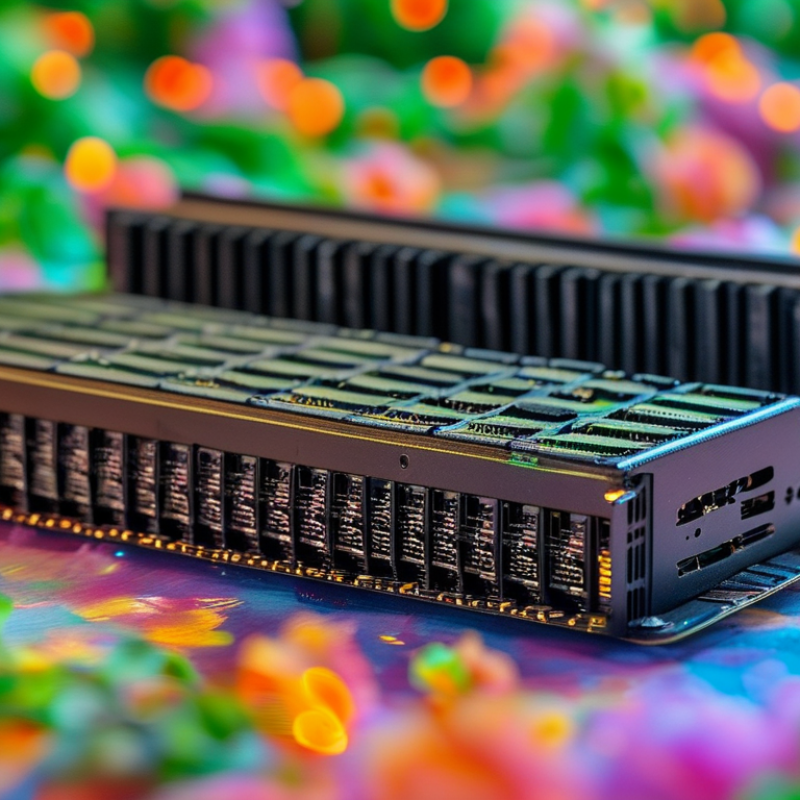
QSFP transceivers play a vital role in modern networking. These compact modules support high-speed data transfer, making them crucial for data centers. According to the latest market research, the QSFP transceiver market is expected to reach $3.5 billion by 2027, growing at a CAGR of over 15%. The rise in cloud computing and demand for bandwidth drives this growth.
Understanding this technology enables buyers to make informed decisions. QSFP transceivers typically support 40G and 100G connections, ensuring high performance. For businesses, choosing the right transceiver is essential for maximizing network efficiency. Real-time data demands require robust and reliable optical solutions.
Tips: Always consider compatibility with existing hardware. Incompatible transceivers can lead to network inefficiencies. Also, evaluate the total cost of ownership. A cheaper transceiver may have higher long-term costs due to performance issues.
Training and knowledge sharing within teams can enhance understanding. Complex optics can be challenging. Continuous learning helps in recognizing best practices and identifying potential pitfalls. A well-informed team can better navigate these choices, ensuring optimal network performance.
When selecting QSFP transceivers, several key specifications can make a significant difference. Bandwidth is crucial; a typical QSFP can handle data rates of 40 Gbps or beyond. This capacity is essential for high-speed network environments. Another important aspect is the reach. Different transceivers are designed for varying distances, from short-range to long-range applications. Make sure to choose one that fits your network design requirements.
Power consumption is often overlooked but plays a vital role. Efficient transceivers can reduce overall energy costs. Consider also the form factor; some installations may require specific sizes. Compatibility with existing hardware is necessary to prevent integration issues. A reliable transceiver enhances network stability and performance, so always check for user reviews or performance benchmarks.
It's worth mentioning that new technologies emerge frequently. This constant evolution can lead to choices that may not be the best in the long run. Therefore, staying informed about industry advancements is essential. Gather insights from multiple sources, and engage with community forums. An informed decision can lead you to the right QSFP transceiver for your needs.
This chart displays the data rates of the top five QSFP transceiver solutions available for global buyers. Each type offers different speeds suitable for various applications.
In recent years, QSFP transceivers have gained prominence in the optical networking market. According to a market research report, the QSFP market is expected to reach $10 billion by 2026, reflecting a robust growth rate driven by increased data demands. Various applications require specific features to optimize network performance. The most common types include 40G and 100G QSFP modules, each suited to different use cases.
For data centers, 40G QSFP modules provide excellent bandwidth. They can handle high-speed data transfers effectively. A report by industry analysts shows that 40G transceivers are preferred in cloud and enterprise data centers due to their cost-effectiveness. In contrast, 100G QSFP modules are more suitable for telecom networks. Their improved speed and capacity cater to the growing needs of bandwidth-intensive applications.
In addition, there is increasing demand for QSFP-DD modules. These newer models support up to 400G, aligning with advancements in data-intensive applications. Market insights reveal that industries such as artificial intelligence and big data analytics are driving this demand. However, some challenges exist. Compatibility issues with existing infrastructure pose risks for businesses looking to upgrade. Understanding these needs and constraints is crucial for making informed purchasing decisions in a rapidly evolving market.
| Model | Data Rate | Distance | Application | Connector Type |
|---|---|---|---|---|
| QSFP-28 SR4 | 100 Gbps | 70 m (OM4) | Data Center | MTP/MPO |
| QSFP-28 LR4 | 100 Gbps | 10 km | Long-Distance Transmission | LC |
| QSFP-40 QSFP+ | 40 Gbps | 150 m (OM3) | High-Performance Computing | MTP/MPO |
| QSFP-100 CWDM4 | 100 Gbps | 2 km | Metro Networks | LC |
| QSFP-100 SR10 | 100 Gbps | 300 m (OM3) | Data Center Bridging | LC |
In the rapidly evolving world of data transmission, QSFP transceivers play a crucial role. Their compact size and high-speed capabilities make them ideal for modern networking needs. However, with numerous brands available, selecting the right solution can be challenging.
A comparative analysis of leading QSFP transceiver brands reveals significant differences in performance and reliability. Some brands offer impressive bandwidth, supporting up to 400 Gbps, while others may provide fewer options. It's essential to evaluate factors such as thermal efficiency and compatibility with existing systems. Each option has trade-offs, and some may require more complex integration.
User experiences often highlight the need for after-sales support. Not all manufacturers provide ample resources for troubleshooting. Furthermore, the longevity and durability of these transceivers can vary, affecting overall network performance. Evaluating these aspects helps in making an informed choice, balancing speed, reliability, and support adequacy. While options may seem overwhelming, a careful analysis can lead to a suitable selection that meets specific needs.
The QSFP transceiver market is evolving rapidly. As data demands rise, technology is advancing. The future of QSFP transceivers lies in higher bandwidth and energy efficiency. New standards aim to support speeds exceeding 400 Gbps. This shift is crucial for data centers and telecom sectors.
Emerging trends highlight the importance of compatibility. Transceivers must work seamlessly across various networks. Concerns around interoperability are growing. Organizations often face challenges when integrating new technology with existing infrastructure. Testing and validation are essential to avoid costly upgrades.
Another aspect to consider is sustainability. Manufacturers are being urged to prioritize eco-friendly designs. Reducing energy consumption in transceivers can significantly impact overall operational costs. The balance between performance and environmental responsibility will shape the future market. Buyers should remain aware of these trends to make informed decisions.
: QSFP transceivers support high-speed data transfer, critical for modern data centers.
They typically support connections of 40G and 100G, ensuring robust performance.
Consider compatibility, bandwidth, and power consumption to maximize network efficiency.
Efficient transceivers can lower overall energy costs and improve network stability.
Overlooking compatibility with existing hardware can lead to network inefficiencies.
Continuous learning enhances understanding of best practices and potential pitfalls in choices.
Higher bandwidth, energy efficiency, and eco-friendly designs are essential market trends.
It helps avoid costly upgrades and ensures seamless operation within existing infrastructure.
They aim for speeds over 400 Gbps, crucial for accommodating rising data demands.
Manufacturers need to balance performance with eco-friendly designs to reduce energy consumption.
The article explores the significance of QSFP transceiver technology in modern networking, emphasizing its vital role in enabling high-speed data transfers and connectivity solutions. It outlines key specifications that buyers should consider when selecting QSFP transceivers, such as data rate, reach, and compatibility, ensuring optimal performance for various applications.
Furthermore, the article highlights the top five QSFP transceiver solutions tailored for different use cases, providing a comparative analysis of leading brands within the market. Looking ahead, it discusses emerging trends in QSFP transceiver technology and the anticipated growth in market demand, illustrating how advancements in this field will continue to facilitate the evolution of data communication infrastructures.

FiberNova