In today's fast-evolving telecommunications landscape, selecting the right fiber optic module manufacturer is crucial. The global fiber optic market is projected to reach $8 billion by 2025, driven by increasing demand for high-speed internet and data transmission. A reliable manufacturer ensures quality and performance, which directly impacts network efficiency.
The competition in this industry is fierce. Many manufacturers claim to offer superior products. However, not all meet the rigorous standards necessary for optimal operation. Reports from experts highlight a significant gap in quality assurance practices among various companies.
When considering a fiber optic module manufacturer, it is essential to assess their reputation, product range, and customer service. The choices can be overwhelming, and potential buyers need to do thorough research. Ensuring you partner with a credible manufacturer can make a substantial difference in your project’s success.
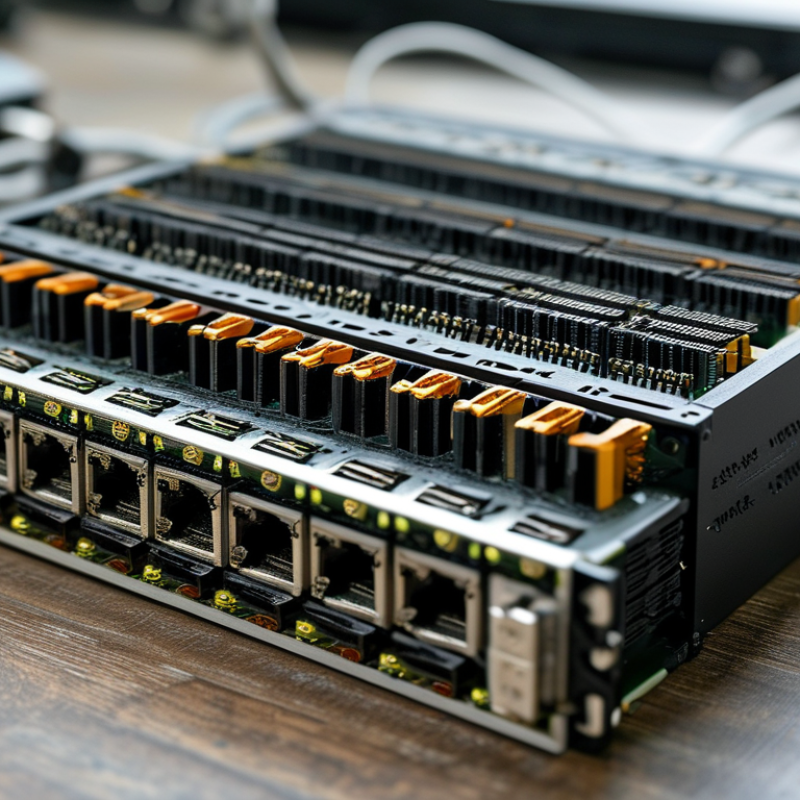
Fiber optic modules play a crucial role in modern communication systems. They facilitate high-speed data transfer over long distances with minimal signal loss. These modules convert electrical signals into optical signals and vice versa, ensuring seamless connectivity. As digital communication continues to evolve, the demand for reliable fiber optic solutions increases.
Understanding the significance of fiber optic modules is essential. They are central to building networks for cloud computing, video streaming, and large data transfers. Poor choices in modules can lead to latency and network failures. Observing the quality of materials and design can make a significant difference.
When selecting fiber optic modules, consider performance and compatibility. Look for options that fit your specific application. Testing modules in your environment can prevent potential issues. Seek feedback from peers who have similar setups. Learning from others can improve your decision-making process.
When selecting a fiber optic module manufacturer, certain criteria can significantly influence your decision. Start by assessing the manufacturer’s experience in the industry. A company with a strong track record typically means higher reliability. Check their years in business and the types of projects they've completed.
Quality is paramount. Investigate the certifications they hold. Standards like ISO can indicate their commitment to manufacturing excellence. A lack of proper certifications could raise concerns about product reliability.
Tip: Engage with community forums. Gather insights from current users about their experiences. Understanding real-world usage can expose both strengths and weaknesses of specific manufacturers.
Next, consider customer support. It’s essential to have access to knowledgeable support when issues arise. Manufacturers that provide resources for troubleshooting can save you time and money.
Tip: Look for reviews on responsiveness. Long waiting times for assistance can be a red flag.
Lastly, evaluate their product range. A good manufacturer should offer a variety of modules suitable for different applications. Yet, overly broad offerings might indicate a lack of specialization.
In this field, every detail counts. Carefully weigh your options, and don’t overlook even minor concerns.
| Manufacturer Location | Product Range | Quality Certifications | R&D Investment | Lead Time |
|---|---|---|---|---|
| North America | SFP, SFP+, QSFP | ISO 9001, RoHS | 15% of revenue | 4-6 weeks |
| Europe | XFP, CWDM, DWDM | ISO 14001, CE | 10% of revenue | 3-5 weeks |
| Asia | SFP28, QSFP28, CWDM | ISO 9001, FCC | 20% of revenue | 2-4 weeks |
| Global | 10G, 40G, 100G modules | ISO 13485, RoHS | 25% of revenue | 6-8 weeks |
The fiber optic module industry has seen rapid growth due to increasing demand for high-speed data transmission. Market reports indicate that the global fiber optic market is projected to reach over $8 billion by 2027, driven by advancements in telecommunications and IT infrastructure. Manufacturers play a crucial role in supplying high-quality modules, which are essential for effective data communication.
When selecting a manufacturer, look for experience and technical expertise. Many industry leaders produce modules that comply with stringent standards. Quality assurance is a must; studies show that around 30% of network failures are due to faulty optical components. Engaging with manufacturers that prioritize reliability can help mitigate these risks. Additionally, many top manufacturers invest significantly in R&D, leading to innovative technologies and improved performance.
However, the complexity of the market can be daunting. Emerging technologies, such as 5G and data center expansion, are reshaping customer needs. Not all manufacturers adapt quickly. Evaluating their responsiveness to market trends is essential. A manufacturer’s track record and customer feedback can offer insights, but it’s important to remain vigilant. Not every established name guarantees exceptional product quality or support. Careful diligence in understanding your specific needs will lead to better-informed choices.
The fiber optic industry is witnessing rapid transformations driven by innovative technologies. Many manufacturers are adopting advanced techniques to enhance performance and reliability. One key area of development is the integration of photonic integrated circuits (PICs). These circuits miniaturize components, increasing efficiency and reducing costs. They can handle more data while consuming less power, appealing to various telecommunications needs.
Another notable innovation is the use of machine learning in quality control. This technology helps manufacturers predict issues before they arise. By analyzing production data in real-time, potential flaws can be identified early, leading to fewer rejects and higher overall reliability. Such proactive approaches ensure that the end products meet the exacting standards necessary for high-speed data transmission.
Despite these advancements, challenges remain in the fiber optic sector. Addressing the complexities of installation and maintenance is one example. While manufacturers strive to create user-friendly solutions, the technology's inherent intricacies can still pose hurdles for users. Continuous feedback and adaptation are crucial for growth. As the sector evolves, staying informed will be vital for making choices that meet specific requirements and navigating emerging technologies.
The fiber optic module manufacturing industry is rapidly evolving. New technologies are driving innovation in performance and efficiency. Producers are focusing on compact designs and improved signal integrity. This aligns with the rising demand for high-speed data transfer. Miniaturization of components allows for greater flexibility in installations.
Sustainability is also becoming a key trend. Manufacturers are now exploring eco-friendly materials and processes. These efforts not only reduce environmental impact but also appeal to consumers. However, the transition can be challenging. Companies must balance cost with these new practices. They must also ensure quality isn’t compromised in the process.
As the industry matures, artificial intelligence is being integrated into manufacturing processes. This helps enhance precision and reduce waste. Yet, reliance on technology might lead to vulnerabilities. Manufacturers must prepare for cybersecurity threats while embracing innovation. Continuous research and development remain essential for staying relevant in this fast-paced environment.
: Fiber optic modules convert electrical signals to optical signals and enable high-speed data transfer over long distances.
They ensure seamless connectivity, making them key for cloud computing, video streaming, and large data transfers.
Poor choices can lead to network failures and increased latency, affecting overall performance.
Consider performance, compatibility, and test modules in your specific environment to avoid issues.
Innovations include photonic integrated circuits and machine learning for quality control, enhancing performance and reliability.
They miniaturize components, increasing efficiency, reducing costs, and allowing for more data handling with less power.
Yes, installation and maintenance complexities can pose hurdles, despite efforts to simplify user experience.
Continuous feedback helps manufacturers adapt and improve products, ensuring they meet the needs of users.
Testing in your own environment allows you to identify potential issues early and ensures better compatibility.
Yes, staying updated helps in making better choices and navigating emerging technologies effectively.
Fiber optic modules are crucial components in modern telecommunications, facilitating high-speed data transmission through fiber optic cables. Selecting a reliable fiber optic module manufacturer is essential, as it impacts overall network performance and reliability. Important criteria to consider include the manufacturer's reputation, technological advancements, certification standards, and customer support.
The industry is currently shaped by leading manufacturers that focus on innovative technologies such as dense wavelength division multiplexing (DWDM) and miniaturization of components. As we look ahead, future trends in fiber optic module manufacturing suggest a shift towards increased integration with emerging technologies, including 5G and IoT applications. This evolution will further enhance the capabilities and efficiencies of fiber optic solutions, making the choice of a fiber optic module manufacturer more critical than ever.

FiberNova