As the demand for high-speed data transmission continues to rise, the role of the 100G optical transceiver is becoming increasingly critical. In 2026, we expect these devices to dominate the optical communication landscape globally. Their ability to support faster data rates is essential for various industries, including telecommunications and data centers. Buyers must consider various factors when selecting the right transceiver.
The 100G optical transceiver market is evolving rapidly. New technologies and innovations are reshaping what buyers can expect. Features like enhanced reliability, lower power consumption, and extended reach are crucial for meeting today’s networking needs. However, not all options are created equal. Some may fall short in performance or compatibility. It’s important to conduct thorough research before making a decision.
As we explore the top 10 100G optical transceivers for global buyers, several questions arise. Which products will stand out in terms of quality and performance? How will they adapt to changing technological requirements? These considerations are vital for ensuring a successful and reliable deployment. An informed choice can significantly impact network efficiency and future scalability.
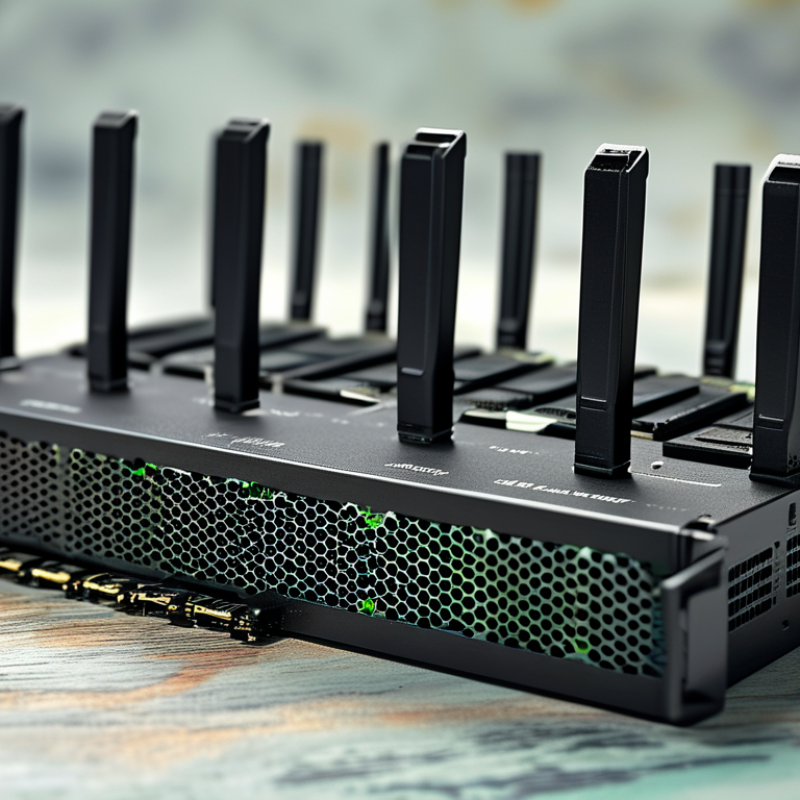
The 100G optical transceiver market is evolving rapidly. By 2026, these devices will be crucial in addressing increasing data demands. Businesses are pushing for higher speeds and greater bandwidth. This trend drives innovations in transceiver designs.
Technological advancements are improving optical performance. The integration of advanced materials enhances transmission distance and reliability. However, challenges remain. Not all regions have equally advanced infrastructure for deployment. Some markets lag in the adoption of 100G solutions.
There is also a need for improved knowledge dissemination among potential users. Many businesses lack awareness of the benefits of 100G optical transceivers. Training and education can bridge this gap. Industry experts must lead these initiatives. The balance between innovation and practicality will define the successes in the 100G market. Fast, reliable communication is not just a luxury anymore; it’s a necessity.
When selecting 100G optical transceivers, several key features demand attention. Compatibility with existing systems is crucial. Buyers often overlook this factor, leading to integration issues later on. Evaluating the optical interfaces is vital as different models may support various formats. Ensuring proper alignment with current infrastructure saves time and resources.
Another important aspect is the transmission distance. Optical transceivers vary significantly in their performance over distance. Some are optimized for short-range applications, while others serve long-haul needs. Awareness of the intended application can prevent misalignment. Additionally, consider the power consumption. Some models offer energy efficiency, which can lead to cost savings over time.
It's also wise to evaluate the temperature range specifications. Not all environments are suited for any device. Devices may perform poorly if they operate outside recommended thermal limits. Checking for certifications and reliability metrics assures better performance. Always research user reviews and expert opinions. Some transceivers may boast performance on paper but fail in real-world scenarios. A deeper examination often uncovers limitations not immediately apparent.
This chart provides a comparison of the top 10 100G optical transceivers based on their price and power consumption. Buyers can evaluate which transceiver fits their budget and energy efficiency needs for 2026.
The market for 100G optical transceivers is expanding rapidly. Buyers are increasingly seeking reliable manufacturers that provide high-quality products. A comparative analysis of top manufacturers reveals significant variations in performance metrics, reliability, and cost. Most companies focus on enhancing data rates and reducing latency. However, not all meet the same standards.
A key element to consider is power consumption. Some manufacturers optimize their transceivers to be energy-efficient. This can lead to cost savings and a smaller carbon footprint. Yet, it’s essential to assess whether reduced power usage affects performance.
Choosing a transceiver requires careful consideration. Look for products that offer a balance between speed and reliability. Testing methods also vary among manufacturers. Some rely more on real-world scenarios, while others depend on lab conditions. Evaluating these differences can help buyers make informed decisions.
Tip: Always ask for detailed specifications and test reports. This ensures you select a transceiver that meets your operational needs.
Keep an eye on emerging technologies. As the industry evolves, new advancements may change the landscape. Don’t hesitate to re-evaluate your choices regularly.
The demand for 100G optical transceivers is surging. This growth is largely driven by the increasing need for high-speed communication in data centers and telecommunications. According to a recent market report, the 100G optical transceiver market is projected to expand at a compound annual growth rate (CAGR) of 12% from 2022 to 2026. Innovative technologies play a critical role in this development.
One promising advancement is the use of silicon photonics. This technology allows for the integration of optical components with microelectronics. As a result, manufacturers can achieve better performance and lower costs. Another key trend is the adoption of advanced modulation formats. Techniques like PAM-4 enable higher data rates without requiring more bandwidth.
Tips: Stay informed about the latest trends in optical technologies. Regularly check industry reports for updates. Collaboration between researchers and manufacturers can lead to innovative solutions. The interplay of different technologies is complex and often requires a cycle of trial and error.
The emergence of coherent detection is also shaping the landscape. This technology increases the distance that signals can travel without degradation. However, the design of coherent systems is challenging and raises questions about compatibility with existing infrastructure. As the industry advances, these concerns need to be addressed carefully.
The rise of 100G optical transceivers is transforming global networking solutions significantly. These devices are critical in supporting bandwidth-intensive applications, crucial for data centers and enterprise networks. According to a report by MarketsandMarkets, the global optical transceiver market is projected to reach $8.78 billion by 2026, driven by the increase in internet usage and cloud computing.
100G optical transceivers provide higher data rates and greater efficiencies, allowing for faster and more reliable data transmission. This leap in capabilities impacts various sectors, including telecommunications, finance, and healthcare, which increasingly rely on high-speed communications. However, organizations need to consider the implications on their existing infrastructure. Transitioning to higher speeds can unveil shortcomings in older systems, which may require upgrades or replacements.
Tips: When selecting 100G transceivers, assess compatibility with your network architecture. Understand your bandwidth requirements and future growth projections. Keep in mind that not all transceivers perform equally under varied conditions. Testing is key. The wrong choice can lead to significant setbacks in network performance.
: Focus on compatibility with existing systems to avoid future integration issues.
Different models perform variably over distances. Some are suited for short-range, while others excel in long-haul.
Energy-efficient models can save costs in the long run. But check if usage affects performance.
Operating outside recommended thermal limits can reduce a device's performance significantly.
Real-world feedback often reveals performance issues that specs alone may not indicate.
There are variations in reliability, cost, and data rates among manufacturers. Assess these metrics carefully.
Yes, always watch for new advancements. They may influence your current choices.
Some manufacturers test in labs, while others use real-world scenarios. Understand these differences.
Look for a balance between speed and reliability. Analyze detailed specs and test reports.
Absolutely, as technology evolves, what was best may change quickly. Reflect on your options.
The article "Top 10 100G Optical Transceivers for Global Buyers in 2026" provides a comprehensive overview of the 100G optical transceiver market, highlighting key trends expected to shape the industry in 2026. It emphasizes the importance of selecting the right 100G optical transceiver by outlining essential features such as data transmission rates, compatibility, and energy efficiency.
Additionally, the article analyzes leading manufacturers, offering a comparative look at their offerings and innovations. It further explores groundbreaking technologies that are propelling the development of 100G optical transceivers, ultimately addressing their significant impact on global networking solutions. By focusing on these advancements, the article aims to equip buyers with vital knowledge to make informed decisions in a rapidly evolving market.

FiberNova