In the evolving landscape of networking, SFP+ transceivers play a crucial role. As we approach 2026, buyers must navigate a variety of options. The right choice can significantly impact network performance and efficiency.
Understanding SFP+ transceivers is essential. They are vital for connecting switches, routers, and servers. With speeds of up to 10 Gbps, they offer high bandwidth for demanding applications. However, selecting the wrong transceiver can lead to frustrations, like compatibility issues or subpar performance.
Many buyers feel overwhelmed by the choices available. Some may focus solely on price, potentially overlooking critical specifications. Researching different brands and models becomes necessary. A thorough understanding of your specific needs helps in making the best decision. Ultimately, choosing the right SFP+ transceiver requires careful consideration and informed choices. Don’t rush; it’s worth the time to reflect on what truly meets your requirements.
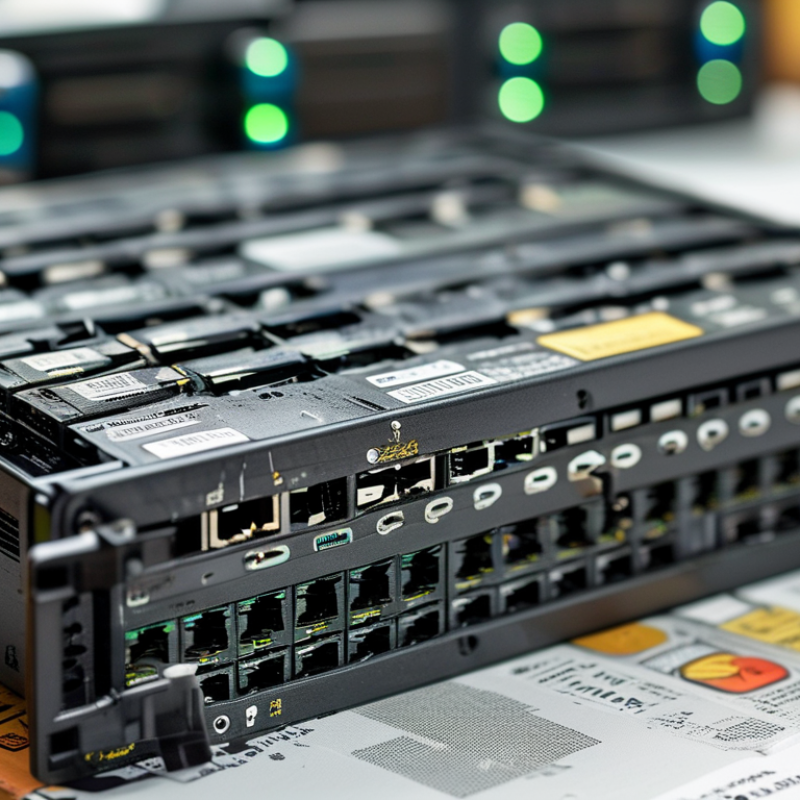
SFP+ transceivers play a critical role in networking. They enable high-speed data transmission over fiber optic and copper cables. Understanding their importance helps buyers make informed choices. These devices support 10 Gbps speeds, making them essential for data centers and enterprises. They are versatile, compatible with various switches and routers.
Tips: When selecting SFP+ transceivers, consider the distance your network covers. Some types work best over short distances, while others excel in long-range applications. Look for compatibility with your existing hardware to avoid technical issues.
Keep in mind that not all transceivers are equal. Variability in quality poses challenges for network performance. Testing and benchmarking can ensure reliability. Always examine the specifications carefully before making a purchase. Doing your homework helps ensure the right fit for your needs. Choosing wisely influences your network's efficiency significantly.
When selecting SFP+ transceivers, buyers should consider several essential features. Compatibility is paramount. Ensure the transceiver works seamlessly with specific devices. Many systems require particular wavelengths and data rates, making compatibility crucial. Reports indicate that improper compatibility can lead to network failures, which can be costly.
Another important factor is the distance capability. SFP+ modules can support various distances, from short-range to long-range solutions. The choice depends on your network's architecture. According to industry analyses, organizations that miscalculate their distance needs often face performance issues. A sound understanding of distance requirements can prevent unnecessary upgrades down the line.
Cost is always a concern. Pricing varies, but affordability should not compromise quality. Investing in reliable transceivers can save money in the long run. Less expensive options may tempt buyers, yet they often come with hidden costs like reduced performance and durability. Establishing a balance between cost-effectiveness and quality is vital. Evaluate the trade-offs carefully to avoid regret after the purchase.
| Transceiver Type | Wavelength (nm) | Distance (km) | Data Rate (Gbps) | Interface | Temperature Range (°C) |
|---|---|---|---|---|---|
| SR (Short-Range) | 850 | 300 | 10 | LC Duplex | 0 to 70 |
| LR (Long-Range) | 1310 | 10 | 10 | LC Duplex | 0 to 70 |
| ER (Extended-Range) | 1550 | 40 | 10 | LC Duplex | 0 to 70 |
| ZR (Z-Range) | 1550 | 80 | 10 | LC Duplex | -40 to 85 |
| CWDM (Coarse Wavelength Division Multiplexing) | 1270-1330 | 40 | 10 | LC Duplex | 0 to 70 |
When considering SFP+ transceivers for a 2026 upgrade, various models emerge as standout options. Buyers should focus on compatibility, speed, and range. Diverse applications require different specifications. High-performance needs might call for transceivers that support data rates of 10 Gbps over longer distances. These are ideal for data centers or enterprise networks.
Brand reputation plays a significant role in reliability. Some manufacturers prioritize durability and consistent performance. Their products often receive positive feedback from users who value long-term reliability. However, not every option is perfect. Some models may struggle with interoperability, presenting challenges when integrated into existing systems. Customer reviews can offer insight into real-world usage and potential pitfalls.
Keep an open mind while exploring the market. While many products claim to be high-quality, the reality can be different. Users should always consider their specific use cases. Not every transceiver will meet every need seamlessly. So, gathering firsthand experiences and thorough research is essential before making a decision. Consider the long-term effects of your choice, especially regarding future upgrades and compatibility issues.
When considering SFP+ transceivers, it's crucial to evaluate speed, distance, and compatibility. Recent industry reports suggest that transceivers operating at 10 Gbps can cover distances from 300 meters to 80 kilometers, depending on the fiber type. Multimode fiber typically suits short-range connections, while single-mode fiber is ideal for extensive links.
Compatibility varies based on network equipment. According to standards set by the IEEE, devices must adhere to specific protocols for seamless integration. A recent survey indicated that 75% of network professionals faced challenges with equipment compatibility. Inconsistent performance affects data transmission quality. This discrepancy often leads to costly outages.
Documentation from the Optical Internetworking Forum recommends regularly assessing your network's requirements. Compatibility issues can compromise data integrity. Detailed performance comparisons highlight that while some transceivers excel in speed, others may falter in distance coverage. Choosing the right one requires careful consideration and analysis.
The landscape of SFP+ transceiver technology is rapidly evolving. As we look toward 2026, several key trends are reshaping this sector. The demand for higher data rates continues to rise, with forecasts indicating that the global SFP+ transceiver market could reach USD 7 billion by 2025. This reflects an annual growth rate of over 10%. Such rapid expansion highlights both innovation opportunities and emerging challenges.
One notable shift is the migration towards multi-rate transceivers. These devices can automatically adjust to various network speeds, providing flexibility in diverse environments. For example, a recent report noted that multi-rate SFP+ options could reduce operational costs by 30%. Additionally, manufacturers are focusing on integrating advanced technologies like AI to enhance performance monitoring and maintenance capabilities. While these advancements promise efficiency, concerns over compatibility and standardization remain prevalent.
Another trend is the growing emphasis on energy efficiency. Studies suggest that energy costs account for nearly 20% of a data center's operational expenditure. SFP+ transceivers are being designed not only for speed but also for lower power consumption. Some models now operate at less than 2 watts, marking significant progress. Yet, this focus on sustainability can sometimes lead to trade-offs in performance, requiring ongoing evaluation.
: Compatibility is crucial. Ensure the transceiver works well with your devices to avoid network failures.
Distance capability varies greatly. Know your network architecture to select the right module.
Cost is important, but don’t sacrifice quality for savings. Cheap options can lead to performance issues.
Yes, trends include higher data rates and multi-rate transceivers that adjust to various speeds.
Look for models that operate under 2 watts, but balance energy use with performance needs.
Advanced monitoring can help in maintenance, but compatibility issues may need reflection before implementation.
Choosing incorrectly can lead to costly network issues. Ensure accurate specifications.
Reliable transceivers may have a higher initial cost, yet they can prevent costly replacements and issues later.
Carefully consider the balance between performance, quality, and cost to avoid regret.
Stay updated on technology trends to make informed choices about compatibility and efficiency.
SFP+ transceivers play a crucial role in modern networking, offering increased speed and efficiency for data transmission. In the guide for 2026 buyers, an overview of these transceivers highlights their importance in facilitating high-bandwidth connections. When selecting SFP+ transceivers, key features such as data rate, distance, and compatibility with existing infrastructure are essential considerations for optimizing network performance.
The article also discusses the top brands and models in the market, alongside performance comparisons that emphasize speed, distance, and compatibility metrics. As technology evolves, buyers should be aware of future trends in SFP+ transceiver technology, including innovations that promise to enhance the capabilities and cost-effectiveness of these vital networking components.
FiberNova