Top Insights on 400G Optical Transceiver for Global Buyers

Time:2026-07-23 Author:Sienna
0%

The demand for high-speed data transmission has accelerated the adoption of 400G optical transceivers in recent years. As highlighted in a report by MarketsandMarkets, the global optical transceiver market is projected to reach USD 6.02 billion by 2024, driven largely by the need for efficient bandwidth solutions. This growing trend underscores the importance of 400G optical transceivers in enabling faster networks and supporting applications like 5G, cloud computing, and data centers.

Industry experts note that 400G optical transceivers can deliver significantly enhanced performance compared to their predecessors. They offer high data rates and increased capacity, catering to the needs of service providers and enterprises alike. However, transitioning to this new technology poses challenges. Reliability and compatibility with existing systems remain critical factors that buyers must consider. A nuanced understanding of these issues can lead to informed decisions.

As technology evolves, so does the landscape of optical networking. Several reports indicate that, while the promise of 400G optical transceivers is compelling, not all options available in the market meet high standards. Buyers should approach this space with caution, weighing both the advantages and limitations of available products.
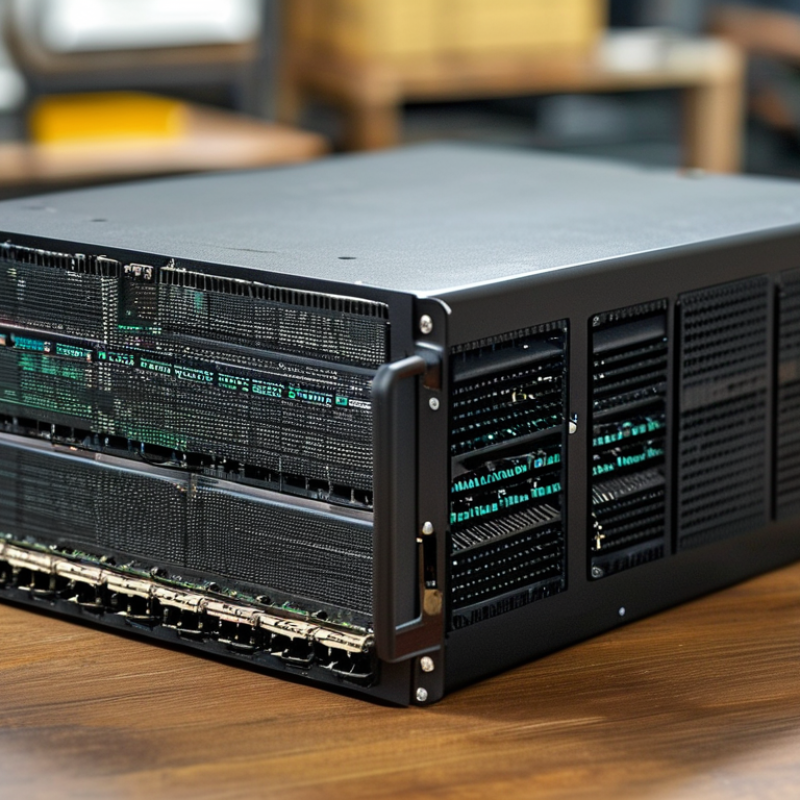
Top Insights on 400G Optical Transceiver for Global Buyers

Overview of 400G Optical Transceivers and Their Market Relevance

The 400G optical transceiver market is rapidly evolving, addressing growing data transmission needs. These devices are essential for high-speed networks, enabling efficient data flow across various industries. Their relevance is significant, as they support the transition to higher bandwidths in infrastructure. With the demand for faster internet and cloud solutions, understanding their role is crucial for global buyers.

Tips: Always consider your network's capacity. Assess if an upgrade to 400G is necessary for your business needs.

Crafting a strategy for adoption is vital. Implementing 400G transceivers may require infrastructure adjustments. Evaluate your current systems' compatibility to avoid unforeseen complications. Companies must be prepared for the potential challenges of transition.

Investing in understanding the technical specifications of 400G equipment can make a difference. Knowing the differences in performance metrics can guide informed decisions. Opt for reliable, documented sources when researching your options. The reliability of the information you access is paramount to making effective purchasing choices.

Key Technologies Driving 400G Optical Transceiver Development

The development of 400G optical transceivers hinges on several key technologies. These innovations are shaping the future of high-speed data transfer. One significant factor is the advancement in modulation formats. New formats can deliver higher data rates over existing fiber. This adaptation is critical as global demand for bandwidth surges.

Another essential technology is the integration of photonic devices. By combining lasers, modulators, and detectors on a single chip, manufacturers can enhance performance. This compact design reduces costs and simplifies deployment. However, challenges remain in terms of thermal management and scalability. Companies are still exploring solutions to these issues.

Additionally, new materials are being researched to improve transceiver efficiency. For example, the use of silicon photonics has gained traction. This technology offers better scalability and lower power consumption. Yet, the road to commercialization is fraught with hurdles. It requires balancing performance, cost, and manufacturing feasibility.

Insights on 400G Optical Transceiver Development

Considerations for Selecting 400G Optical Transceivers for Different Applications

Choosing the right 400G optical transceiver requires a deep understanding of your network's specific needs. Different applications demand varying characteristics. For instance, data centers prioritize speed and low latency. On the other hand, long-distance communication relies on signal integrity and robustness. Evaluating these needs early can prevent costly mistakes later on.

Compatibility is crucial. Ensure that the transceiver matches your existing equipment and infrastructure. It’s not enough to focus solely on speed; the form factor and interface also matter. Each application has its own standards. Ignoring these details may lead to compatibility issues. Testing the transceiver in your setup can reveal hidden problems.

Cost considerations also play a significant role. While high-performance transceivers offer advanced features, they come with higher price tags. Balancing cost and performance requires thoughtful analysis. Take time to review specifications and feedback. Learning from others’ experiences can help avoid pitfalls. It's easy to get swayed by the latest technology, but you must align choices with actual needs.

Market Trends and Future Projections for 400G Optical Transceivers

The market for 400G optical transceivers is expanding rapidly. As data demands increase, industries seek higher bandwidth solutions. This surge is driven by cloud computing, big data analytics, and mobile communications. Optical transceivers can meet these needs with efficiency. They play a crucial role in enhancing network performance.

Many buyers are now focusing on cost-effectiveness and scalability. The trends indicate a shift toward integrated photonics. This technology promises compact designs with reduced power consumption. However, some challenges persist. Providers must ensure compatibility across various platforms. The learning curve for implementation may deter some buyers. Ongoing education and support from the industry will be essential.

Furthermore, competition in this space is fierce. Innovations appear regularly, yet supply chain issues could hinder progress. Buyers must stay informed while navigating these market dynamics. Understanding the evolving landscape will empower them to make better decisions. Embracing new technologies can be daunting. However, the potential benefits can outweigh the risks.

Comparative Analysis of Leading 400G Optical Transceiver Manufacturers

The demand for 400G optical transceivers is rapidly increasing. This surge presents unique challenges for buyers. Understanding the landscape of manufacturers is crucial. Key factors include technology, pricing, and service.

Many manufacturers have made strides in enhancing performance. Some focus on high data rates and low latency. However, not all offer reliable support or expertise. A comparative analysis reveals discrepancies in product quality. Some transceivers may not meet specific network requirements. Cost-effectiveness varies too; lower price models often compromise features.

A significant point for consideration is post-purchase support. Buyers often report dissatisfaction with response times. Furthermore, documentation can be lacking from certain companies. This makes integration difficult. It's essential for buyers to weigh these factors carefully. A thorough assessment of manufacturers is crucial for making informed decisions.

FAQS

: What are 400G optical transceivers?

: They are devices for high-speed data transmission. Essential for efficient data flow across industries.

Why is the 400G market growing?

Demand for faster internet, cloud solutions, and big data drives its expansion. Industries need higher bandwidth options.

How should a company assess its need for 400G transceivers?

Evaluate network capacity and business requirements. An upgrade may not always be necessary for everyone.

What should buyers consider when implementing 400G transceivers?

Compatibility with current systems is vital. Infrastructure adjustments may be needed to ensure smooth integration.

What challenges do buyers face with 400G technology?

There is a steep learning curve and issues with compatibility across platforms. Support and education from the industry are needed.

How can buyers ensure they make informed decisions?

Understanding technical specifications is key. Rely on documented sources for accurate information regarding performance metrics.

What factors should buyers consider when comparing manufacturers?

Look at technology, pricing, performance, and post-purchase support. Some manufacturers may lack adequate support after sale.

Are all 400G transceivers created equal?

No, quality varies among products. Some lower-priced options may compromise important features, affecting network performance.

How competitive is the 400G optical transceiver market?

It is very competitive, with regular innovations. However, supply chain issues can hinder market progress.

What common dissatisfaction do buyers report?

Many face slow response times from manufacturers. Inadequate documentation can complicate integration.

Conclusion

The article "Top Insights on 400G Optical Transceiver for Global Buyers" provides a comprehensive overview of the significance of 400G optical transceivers in today's market. It highlights the key technologies fueling the advancement of these transceivers, which are essential for meeting the increasing bandwidth demands of modern networks. Additionally, the article offers valuable considerations for selecting the appropriate 400G optical transceiver for various applications, ensuring optimal performance and reliability.

Moreover, it discusses current market trends and future projections, indicating a strong growth trajectory for 400G optical transceivers as businesses and service providers continue to upgrade their infrastructure. A comparative analysis of leading manufacturers richens the understanding of competitive offerings in this space. Overall, the insights provided serve as a useful guide for global buyers navigating the evolving landscape of high-speed optical communication technology.

Sienna

Sienna

Sienna is a skilled marketing professional with a deep expertise in our company’s core products and services. With a passion for innovation and detail, she plays a pivotal role in crafting insightful blog posts that not only highlight the unique features of our offerings but also provide valuable......