In today's fast-paced digital world, the demand for high-speed data transmission is soaring. One key player in meeting this demand is the pluggable optical transceiver. These devices are essential for connecting various network elements efficiently. According to a recent industry report by Gartner, the global optical transceiver market is projected to exceed $8 billion by 2026. This growth emphasizes the importance of choosing the right transceiver for your network needs.
Selecting the best pluggable optical transceiver is not a straightforward task. Understanding specifications, compatibility, and performance metrics can be challenging. Recent surveys reveal that 45% of network engineers feel overwhelmed by the options available. Many also express concerns about aligning products with their existing infrastructure. The right choice can enhance network performance while minimizing costs and downtime.
However, mistakes can happen. Some users fail to consider factors such as wavelength and distance. This oversight can lead to suboptimal performance. Investing time in research is crucial. Emphasizing the needs of your specific environment will yield better results. An informed selection process will ultimately lead to a more robust and reliable network solution.
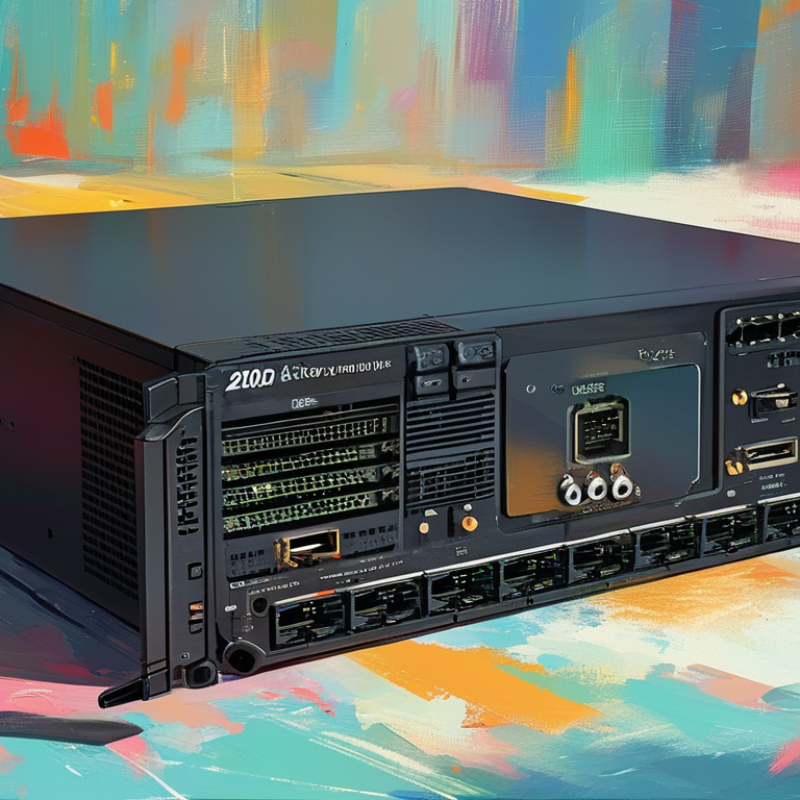
Understanding the Basics of Pluggable Optical Transceivers
Pluggable optical transceivers are critical components in modern networking. Understanding their basics is essential for optimizing network performance. These devices convert electrical signals into optical signals, enabling data transmission over fiber optic cables. According to a recent report by the International Data Corporation (IDC), the global market for optical transceivers is expected to exceed $10 billion by 2026, highlighting their growing significance in telecommunications.
Selecting the right transceiver involves various factors. Compatibility with hardware is crucial, as is the transmission distance. Transceivers are available in different form factors and specifications. For example, SFP (Small Form-factor Pluggable) modules are widely used for short-range connections. In contrast, QSFP (Quad Small Form-factor Pluggable) modules support higher data rates for long-distance transmissions. Not all transceivers perform equally, so checking performance ratings and power consumption is vital.
Additionally, factors like temperature tolerance and signaling integrity play a significant role in reliability. Transceiver failures can disrupt services and incur additional costs. The Telecommunication Industry Association (TIA) emphasizes the importance of rigorous testing standards. These ensure the quality and reliability of pluggable optical transceivers. Understanding the fundamentals can lead to informed choices, ultimately enhancing network efficiency.
Key Performance Metrics to Consider When Selecting Transceivers
When choosing pluggable optical transceivers, it's essential to focus on key performance metrics to ensure optimal network performance. One vital aspect is the transmission distance. Different transceivers support varying distances, which can impact the choice depending on your network's requirements.
Another critical metric is bit rate. This determines how much data can be transmitted in a given time. Selecting the right bit rate is key for maintaining network efficiency. For instance, a higher bit rate may provide speed but can also increase complexity in signal integrity.
Consider the operating temperature ranges of transceivers. Some applications may require robust components that operate effectively in extreme conditions. It’s important to reflect on how the environment can influence performance. Remember, reliability is paramount in avoiding costly downtime.
Be mindful of compatibility as well. Ensure the selected transceiver integrates seamlessly with your existing infrastructure. Evaluating these metrics can guide you to the best choice for your applications. Dive deep into technical specifications and performance benchmarks. Small details can lead to substantial differences in your network capabilities.
2026 Best Pluggable Optical Transceiver Performance Metrics
This chart illustrates key performance metrics to consider when selecting pluggable optical transceivers in 2026.
Different Types of Pluggable Optical Transceivers Explained
When selecting a pluggable optical transceiver, understanding the types available is crucial. These devices serve as vital components in high-speed networks. They enable communication between optical fibers and various network devices.
The most common types include SFP, SFP+, QSFP+, and CFP. Each type varies in terms of bandwidth and distance capabilities. For instance, SFP typically supports speeds up to 1 Gbps, while QSFP+ can manage up to 40 Gbps.
In a recent industry report, it was highlighted that the demand for high-speed internet is skyrocketing. By 2025, projections expect that data traffic will grow by 50%. This surge emphasizes the necessity for efficient transceivers to handle increased load. However, with many options on the market, choosing the right one can be daunting. Misunderstandings about compatibility can lead to costly mistakes, as not all transceivers support the same features.
Recognizing these nuances is essential. It may seem straightforward, but factors like the wavelength and the connector type influence performance significantly. Ensuring the right selection enhances overall network reliability. The landscape is constantly evolving, making continuous learning vital for stakeholders.
Compatibility: How to Ensure Your Transceiver Matches Your Network
When selecting a pluggable optical transceiver, compatibility with existing network equipment is crucial. According to industry reports, nearly 70% of network failures are linked to issues arising from incompatible components. Ensuring that your transceiver matches the specific standards and protocols of your hardware can mitigate these risks significantly. Different manufacturers may adhere to various specifications, such as SFP, SFP+, or QSFP. Understanding these types helps safeguard your network's integrity.
Consider your network's data transfer rates as well. Some reports suggest that mismatches can lead to reduced performance. If your network is set to run at 100 Gbps but you install a transceiver rated for only 10 Gbps, not only will the performance decline, but system errors may also increase. Compatibility extends beyond mere physical connectors; it involves understanding fiber types, distances, and environmental conditions. Failure to assess these factors can have significant implications.
Testing transceiver compatibility prior to deployment is advisable. Simulations can reveal how your transceiver interacts with other network devices. Despite best efforts, unexpected issues can arise even in seemingly compatible systems. Documenting past deployments may reveal trends in compatibility challenges. Regular reviews of your equipment can help identify potential gaps in performance before they escalate into larger problems.
Future Trends in Optical Transceiver Technology to Watch For
The future of optical transceiver technology is promising, with substantial advancements on the horizon. A shift towards
higher data rates is inevitable. As demands for bandwidth increase, developers will focus on enhancing the capacity of
pluggable transceivers. This may involve using advanced materials and designs that promote greater efficiency and lower
energy consumption.
Design flexibility is another trend to observe. Modular forms allow easier upgrades and integration into varying systems.
This can be particularly beneficial in diverse networking environments, where adaptability is key. Keeping an eye on
emerging configurations is wise as they shape system compatibility.
Tips for choosing the right transceiver: Look for key specifications such as transmission distance and data rates.
It’s also important to investigate the types of interfaces your current equipment supports. Finally, always
consider future scalability. Choose solutions that allow for growth without needing frequent replacements. Reflecting
on past choices can guide better decision-making in this fast-evolving tech landscape.
FAQS
: The most common types are SFP, SFP+, QSFP+, and CFP. Each type has different bandwidth and distance capabilities.
SFP typically supports speeds up to 1 Gbps, while QSFP+ can manage up to 40 Gbps.
The right selection ensures network efficiency and reliability. Misunderstandings can lead to costly mistakes.
Factors include wavelength, connector types, and compatibility. These details can significantly affect how well the device performs.
Future trends include higher data rates, advanced materials, and design flexibility. These innovations promise greater efficiency.
Look for solutions that support potential growth. Evaluate the specifications and interfaces of your current equipment.
Key specifications like transmission distance, data rates, and compatibility with existing systems are crucial for selection.
The technology landscape is constantly evolving. Staying informed helps in making better choices and avoiding past mistakes.
Increased bandwidth demand drives developers to improve capacity and efficiency, leading to better transceiver technologies.
There’s often confusion about compatibility, which can lead to misinformed choices. Reflecting on previous selections can be beneficial.
Conclusion
In the exploration of how to choose the best pluggable optical transceiver, it is essential to first understand the fundamental principles governing these devices. A pluggable optical transceiver plays a critical role in network communication, and selecting the appropriate one requires consideration of key performance metrics such as data rate, reach, and power consumption. Furthermore, familiarity with the various types of pluggable optical transceivers available will aid users in making informed decisions.
Compatibility is another crucial factor to ensure that the selected transceiver integrates seamlessly with your existing network infrastructure. Finally, keeping an eye on future trends in optical transceiver technology can help anticipate advancements that may enhance performance and efficiency in networking solutions. By thoroughly assessing these factors, one can effectively choose the right pluggable optical transceiver to meet their specific needs.

 FiberNova