Optical transceiver prices can range from a few dollars for basic, short-reach modules to thousands for advanced, long-distance or high-speed models. The label alone tells you little. A 10G module for a short link is not comparable to a 400G unit built for a data-center spine or a long-haul network.
LightCounting’s optical communications market reports track transceiver demand, shipments, and product categories. Dell’Oro Group’s optical transport research adds context on network investment and deployment cycles. These reports help explain why prices move, but they do not provide one universal price list. Actual quotes depend on data rate, reach, wavelength, vendor qualification, order volume, and compatibility requirements. Small details matter: connector type, operating temperature, and whether the module must interoperate with existing equipment can change the bill.
Vladimir Kozlov, CEO of LightCounting, is a relevant industry analyst for market trends. However, I cannot verify a verbatim statement from him specifically about optical transceiver price without an original interview or report. Inventing a quotation would undermine trust. That caution matters: published market data can describe trends, while a buyer’s final cost still depends on the exact part and purchasing terms.
So what should buyers budget? Start with the specification, not the headline price. Compare equivalent modules, confirm compatibility, and check warranty and support. The lowest quote may not be the lowest-cost choice. In this guide, we’ll break down typical price ranges and the factors that push them up or down.
What Is an Optical Transceiver and What Does It Cost?
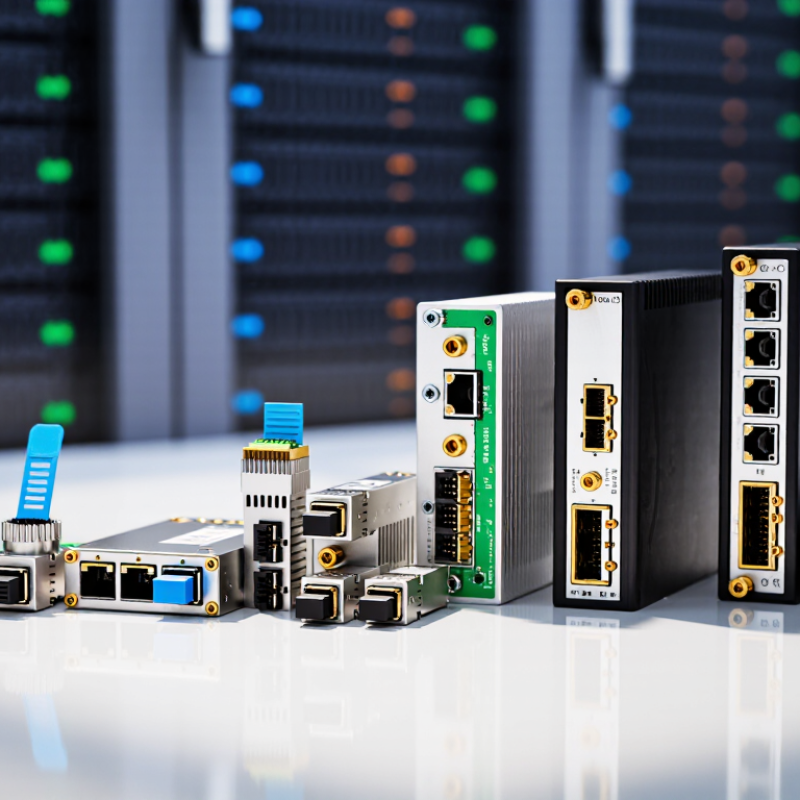
An optical transceiver converts a device’s electrical data into light for transmission through fiber, then converts incoming light back into electrical signals. It usually plugs into a switch, router, or server. The module’s form factor, speed, wavelength, and fiber reach all affect its price. A short-reach 10G module for a data-center link is not interchangeable with a 400G module designed for much higher capacity.
As a practical estimate, compatible 10G modules often cost about $10–$40 each, while 100G modules may range from roughly $30–$150. A 400G module can cost several hundred dollars or more. These are indicative online-market ranges, not fixed quotes; specifications, testing, warranty, and supply can shift the price. Small parts, real cost.
Market growth helps explain the expanding range of products. MarketsandMarkets estimated the optical transceiver market at $10.3 billion in 2023 and projected $18.7 billion by 2028. That forecast reflects rising data-center and network demand, not a guaranteed price for any one module. Before buying, check the port standard, transmission distance, fiber type, and compatibility requirements. A cheap module can become an expensive mismatch. Even experienced buyers sometimes overlook connector type or link budget.
Which Factors Determine Optical Transceiver Prices?
How Much Do Optical Transceivers Cost?
Which Factors Determine Optical Transceiver Prices?
Optical transceiver prices depend on the job they must perform, not just their data rate. Short-reach 10G modules often cost less than high-speed units built for long-haul single-mode fiber. Transmission distance, wavelength, and required optical power affect component choices and testing. Form factor matters too, since compact modules may need tighter thermal control. Prices can also rise with extended temperature ratings, digital diagnostics, and stricter factory testing.
Compatibility is another major factor. Host equipment may require specific electrical interfaces, firmware recognition, or coded configurations. An inexpensive module is poor value if it triggers alarms or fails under load. Quantity, availability, warranty length, and supplier support also shape the final quote. Compare the complete deployment cost, including compatible fiber, installation, and replacement planning. Specifications do not always tell the whole story. Actual link loss and operating temperature can expose assumptions made during selection. That part is easy to underestimate.
Tips: Match the module to the exact port, fiber type, distance, and temperature range. Ask for test data and confirm return terms before ordering.
How Much Do Optical Transceivers Cost? - Which Factors Determine Optical Transceiver Prices?
| Transceiver category |
Typical data rate |
Indicative price per unit (USD) |
Common applications |
Main factors affecting price |
| SFP |
1 Gb/s |
$10–$60 |
Access networks, switches, and short-reach links |
Fiber type, wavelength, reach, and temperature rating |
| SFP+ |
10 Gb/s |
$15–$150 |
Enterprise and data-center network connections |
Single-mode versus multimode optics, transmission distance, and diagnostics |
| SFP28 |
25 Gb/s |
$30–$250 |
Server links and high-density data-center networks |
Optical reach, lane design, power requirements, and operating temperature |
| QSFP+ / QSFP28 |
40–100 Gb/s |
$40–$600 |
Switch uplinks, aggregation, and data-center interconnects |
Number of optical lanes, reach, wavelength architecture, and connector type |
| QSFP56 |
200 Gb/s |
$150–$1,200 |
High-capacity switching and data-center links |
Optical technology, reach, power consumption, and production volume |
| QSFP-DD / OSFP |
400 Gb/s |
$400–$3,000 |
Cloud data centers and high-bandwidth backbone links |
Modulation format, number of lanes, reach, thermal design, and supply availability |
| 800G pluggable transceiver |
800 Gb/s |
$1,000–$6,000+ |
Next-generation AI and hyperscale data-center fabrics |
Optical engine design, power and cooling needs, reach, and market maturity |
| Coherent pluggable module |
100–400 Gb/s or higher |
$1,000–$10,000+ |
Metro, regional, and long-haul optical networks |
Coherent DSP, line rate, transmission distance, wavelength tuning, and interoperability requirements |
Prices are broad, indicative USD ranges for individual modules, not guaranteed quotations. Actual prices vary by supplier, order quantity, region, product availability, compatibility requirements, warranty, and support level. Long-reach, industrial-temperature, and coherent modules generally cost more than short-reach data-center optics.
How Do Prices Vary by Type, Data Rate, and Transmission Distance?
Optical transceiver prices vary less by a module’s shape than by its speed and reach. A basic 1G or 10G short-reach multimode unit may cost tens of dollars, while 100G and 400G modules commonly reach hundreds or more. High-speed designs need tighter signal control, more complex electronics, and often stronger cooling. That adds cost. Exact quotes depend on supply, qualification, and whether the module is new or refurbished.
Distance changes the bill, too. SR optics use multimode fiber for links across a room or data hall; LR and ER versions use single-mode fiber to cover several or dozens of kilometers. Longer reach may require higher-grade lasers, precise wavelength control, and more testing. Coherent optics for metro or long-haul networks can cost far more, sometimes thousands of dollars, because they process complex signals. Check the required fiber, connector, wavelength, and host-device compatibility before comparing quotes. Two modules with the same rate can still differ sharply. Not always obvious. Published prices can look precise, but installed cost also includes spares, power use, and replacement risk.
What Additional Costs Affect the Total Purchase Price?
The transceiver itself is only part of the purchase price. Compatibility can affect the bill: a module must match the switch, data rate, wavelength, and fiber type. Check the equipment documentation before ordering; a low-cost module is not a saving if it fails to link. Small parts add up. You may also need patch cables, adapters, or replacement connectors. For a long fiber run, the required cable grade and optical reach can change the total considerably.
Installation and operation bring less obvious costs. A technician may need time to inspect the fiber, clean connectors, install modules, and test the link with suitable equipment. Dust on a connector can cause trouble, even when every part is new. Power use and heat are worth checking in dense racks, where many modules operate together. Shipping, taxes, spare units, and warranty terms can also shift the final figure. A quote that excludes these items may look clear but still be incomplete. It is tempting to estimate from the module price alone; that shortcut is easy, and not always accurate. Compare the full bill of materials and confirm what testing or support is included.
How Much Do Optical Transceivers Cost?
Estimated per-unit cost by data rate, including common purchase-related extras (USD).
These illustrative planning estimates show how compatibility validation, freight and import charges, and a spare-stock allowance can add to the module price. Actual prices vary by specification, order volume, supplier, and destination; taxes and installation are not included.
How Can Buyers Compare Optical Transceiver Costs?
Comparing optical transceiver costs starts with matching the actual requirements, not just the price on a product page. Check the data rate, transmission distance, fiber type, connector, and wavelength. Small details matter. A module designed for a short multimode link may cost less, but it will not suit a long single-mode connection. Confirm that the transceiver is compatible with the intended switch and network equipment, and ask how compatibility is tested.
Compare the full cost per usable link. Include required fiber, installation, replacement stock, and power consumption, especially when many ports are involved. Review warranty length, return terms, delivery time, and support for diagnosing link problems. Request written confirmation of specifications and any coding requirements. A low quote can become less attractive if testing or compatibility checks are extra.
For a fair comparison, place equivalent units side by side and record each assumption. A spreadsheet helps, but it can hide practical differences, such as inconsistent testing procedures or unclear warranty coverage. Ask whether quoted performance was verified under conditions similar to yours. This comparison is not perfect; future network changes may shift what matters most. Still, a clear checklist makes trade-offs visible before purchase.
FAQS
Data rate and transmission distance matter more than module shape. Basic short-reach units may cost tens of dollars; faster units can cost hundreds or more. Not always obvious.
Short multimode links usually cost less. Longer single-mode links may need precise lasers, wavelength control, and extra testing. Coherent systems can cost thousands.
Include fiber cables, adapters, connectors, installation, shipping, taxes, and spare modules. Small parts add up. Technician time and link testing also affect the bill.
The module must match the switch, data rate, wavelength, and fiber type. A cheap unit is no bargain if the link fails.
Compare equivalent specifications and calculate the full cost per usable link. Record fiber, installation, power use, spares, warranty, and delivery assumptions.
Ask how compatibility and performance were verified, and whether testing matches your equipment and fiber run. A spreadsheet may miss inconsistent test conditions.
Yes, especially when many modules run in dense racks. Check power draw and cooling needs; small differences can add up across many ports.
Not necessarily. Confirm return terms, warranty coverage, support, and included testing. I may be simplifying this, but module price alone is a risky guide.
Conclusion
An optical transceiver converts electrical signals into optical signals and back, enabling data to travel through fiber-optic networks. Its price can range from relatively affordable for basic, short-distance applications to substantially higher for advanced models designed for greater data rates, longer transmission distances, or demanding operating conditions. The optical transceiver price depends on factors such as speed, reach, wavelength, compatibility, construction quality, and the features required by the network.
The purchase price is only part of the total cost. Buyers may also need to account for shipping, taxes, spare units, installation, testing, and ongoing support. To compare options effectively, assess the specifications needed for the intended application, confirm compatibility with existing equipment, and compare the full cost of ownership rather than focusing on the initial price alone. This helps balance performance, reliability, and budget.

 FiberNova