In today's fast-paced digital world, selecting the right telecom optical transceiver is essential for efficient communication. These devices play a pivotal role in data transmission over fiber optic networks. With various options available, making an informed decision can be challenging.
Understanding your unique needs is crucial. Factors such as distance, bandwidth, and compatibility must be considered. It's easy to overlook specifications, leading to potential issues down the line. Inadequate planning may result in suboptimal performance or unnecessary costs.
Expert insights and real-world experience can aid in this decision-making process. By analyzing your specific requirements, you can choose a telecom optical transceiver that aligns with your operational goals. Investing time in research and consulting with specialists can lead to better outcomes. Remember, the right transceiver can significantly enhance your network's reliability and efficiency.
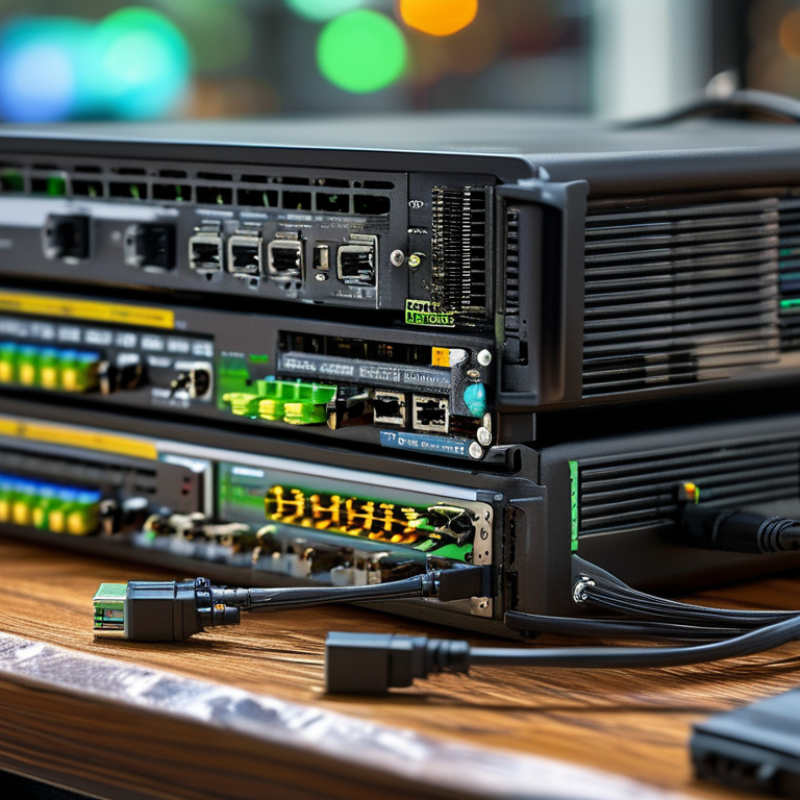
Telecom optical transceivers play a vital role in modern communication networks. They convert electrical signals into optical signals and vice versa. They are essential for high-speed data transfer over long distances. According to a report by Market Research Future, the global optical transceiver market is projected to reach $10.7 billion by 2023. Such growth highlights their importance in telecommunications.
Understanding the types of transceivers is crucial. There are multiple form factors, such as SFP, SFP+, and QSFP. Each format serves different bandwidth and distance needs. SFP modules typically support data rates up to 1 Gbps, while QSFP modules can reach up to 400 Gbps. These options can make choosing the right one confusing.
Moreover, compatibility is essential for network efficiency. Not all optical transceivers work seamlessly with every network switch. This can lead to inefficiencies and increased costs. Studies indicate that improper transceiver choices can reduce network performance by as much as 30%. Gaining insights into specifications and requirements can significantly enhance the selection process, leading to better performance and reliability in communication networks.
| Parameter | Description | Typical Values |
|---|---|---|
| Wavelength | Operating wavelength of the optical transceiver | 850nm, 1310nm, 1550nm |
| Data Rate | Maximum data transmission rate supported | 1Gbps, 10Gbps, 100Gbps |
| Distance | Maximum transmission distance without signal degradation | 300m, 10km, 80km |
| Connector Type | Type of physical connector used | LC, SC, MPO |
| Reach | The distance the signal can travel through fiber without a repeater | Short Reach, Long Reach |
| Form Factor | Physical dimensions and design specifications | SFP, SFP+, QSFP+, XFP |
When selecting the right optical transceiver, several key factors must be considered. Bandwidth is crucial. Higher bandwidth allows for faster data transfer. Your network's current and future bandwidth requirements should guide your decision. You may need to reassess your needs as technology advances.
Another important aspect is compatibility. Ensure that the transceiver works well with your existing network equipment. Mismatched equipment can lead to performance issues. Not all optical transceivers are universally compatible, so verify specifications carefully.
Finally, consider the distance the signal must travel. Different transceivers are designed for varying distances. Choosing the wrong one can impact overall network performance. It’s also wise to think about the environment. Factors like temperature and humidity can affect transceiver reliability. Balancing these elements will lead to a more effective selection.
Optical transceivers play a vital role in telecommunications. Understanding their types helps in making informed decisions. There are several categories of optical transceivers, each with specific uses. Among them, SFP (Small Form-factor Pluggable) transceivers are widely used in data centers. They support various data rates, typically up to 1 Gbps for standard applications. According to a report by Grand View Research, the optical transceiver market is set to reach USD 10 billion by 2025, highlighting their increasing relevance.
Another key type is SFP+ (Enhanced SFP), which supports higher speeds, usually up to 10 Gbps. This type is commonly utilized in high-speed data transfer applications. Different applications require different transceivers. For instance, CWDM (Coarse Wavelength Division Multiplexing) transceivers can accommodate multiple signals on a single fiber. This capability saves infrastructure costs and maximizes bandwidth use. As per the latest data from MarketsandMarkets, CWDM applications are expected to grow significantly by 2024, catering to rising bandwidth demands.
Finally, QSFP (Quad Small Form-factor Pluggable) transceivers are essential for 40 Gbps connections. They are designed for high-density rack configurations. However, these advancements also introduce complexity. Proper integration and compatibility must be considered. Misalignment in technology can lead to performance issues. Therefore, careful evaluation of application requirements remains crucial in selecting the right optical transceiver.
When selecting an optical transceiver, compatibility with your existing network infrastructure is crucial. Each network has specific requirements regarding form factors, protocols, and distances. Evaluate the current devices in use. Check their supported standards, such as SFP, SFP+, or QSFP types, as each has distinct capabilities. Understanding these aspects will help in making an informed decision.
Consider the existing fiber types. Are you using single-mode or multimode fibers? A mismatch here can lead to performance issues. For instance, using a multimode transceiver with single-mode fiber can result in significant signal loss. Assess the operational speeds as well; your transceiver must match or exceed the current speeds for optimal functionality.
It's also wise to think about future needs. Technology evolves rapidly, and today's cutting-edge transceiver may quickly become obsolete. Sometimes, what appears optimal now may require replacement sooner than anticipated. Regularly reviewing and updating your infrastructure assessments ensures continued relevance with industry advancements.
Choosing the right telecom optical transceiver requires close consideration of cost and performance. Pricing can vary significantly, affecting budget allocation. A lower-cost transceiver may seem appealing, but it might lack necessary features. Consider the specific requirements of your network before making a decision. Are you looking to enhance speed? Or is long-distance performance more crucial?
Performance factors include data rate, distance, and compatibility. Assess your current infrastructure. Sometimes, investing in a more expensive transceiver pays off in terms of efficiency and longevity. Yet, this doesn’t negate the importance of cost. Balancing these factors is key. A high-performing transceiver can lead to significant gains. However, over-spending on unnecessary features can strain your budget.
Reflect on your organization’s growth. Will your needs change in the future? Predicting this can guide your choice. Being informed can prevent future regrets. It's essential to weigh immediate costs against long-term value. Recognizing the trade-offs can lead to better decisions. Don't overlook the potential risks involved with either extreme in cost vs. performance.
This chart illustrates the cost and performance of various telecom optical transceivers, helping to visualize the trade-off between cost and data transfer speed.
: Compatibility ensures the transceiver works well with your existing network infrastructure.
Look at their form factors, protocols, and distances. Each type, like SFP or QSFP, has unique capabilities.
Mismatched fiber types can cause performance issues. For example, a multimode transceiver on single-mode fiber may lose signal.
Assess data rate, distance, and operational speed to match existing infrastructure.
Technology evolves quickly. What seems ideal now may need replacement sooner than expected.
A high-performing transceiver may enhance efficiency but overspending can strain your budget.
Cheaper options might lack essential features and lead to future operational issues.
Reflect on your organization’s growth. Anticipating changes helps guide your transceiver choice.
Weigh immediate costs against long-term value. Avoid overlooking risks in cost versus performance extremes.
Regular reviews help ensure compatibility with industry advancements and prevent obsolescence.
When selecting the right telecom optical transceiver for your needs, it's essential to understand some fundamental concepts about these critical components. Telecom optical transceivers facilitate seamless data transmission across fiber optic links, and various factors must be considered in the decision-making process. Key considerations include the type and application of optical transceivers, along with compatibility with your existing network infrastructure, ensuring a smooth integration and optimal performance.
Additionally, it's crucial to weigh the cost against performance. While you want to ensure that your chosen telecom optical transceiver meets your operational requirements, staying within budget is equally important. By carefully evaluating these elements, you can make an informed choice that balances performance and cost-efficiency, ultimately supporting the scalability and reliability of your network.

FiberNova