In the rapidly evolving field of networking, choosing the right optical transceiver is critical. A report from Data Bridge Market Research indicates that the optical transceiver market is expected to reach $8.7 billion by 2027, growing at a CAGR of 8.5%. As data demand grows, selecting an appropriate optical transceiver can be overwhelming.
Expert insights are vital. Dr. Emily Zhang, a renowned optical networking expert, asserts, "Right optical transceivers can make or break your data infrastructure." Her words underscore the importance of making informed decisions when selecting these components. Factors like compatibility, range, and data rate must be carefully evaluated.
Yet, many users still struggle with these choices. Vendors may not always provide transparent specifications. Therefore, understanding the specific needs, such as distance and transmission speed, is essential. Choosing the best optical transceiver is not merely a technical decision; it's about aligning with your network's future demands.
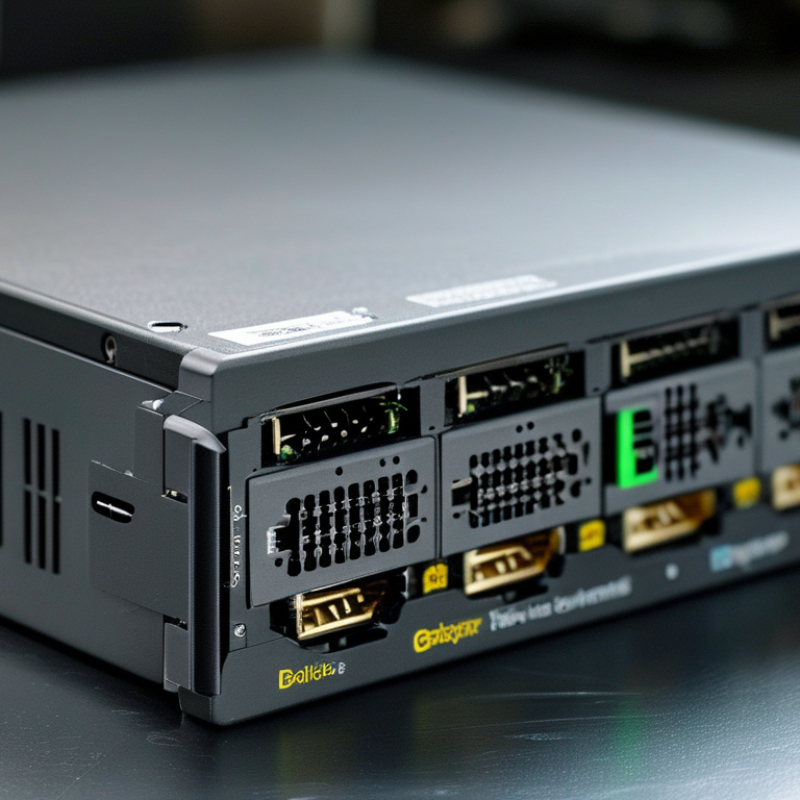
Understanding Optical Transceivers and Their Functions
Optical transceivers are essential components in modern communication systems. They enable signal transmission over optical fibers, allowing high-speed data transfer. Understanding their functions is crucial for selecting the right device. A transceiver converts electrical signals into optical signals and vice versa. It plays a key role in network performance, affecting speed and distance.
Recent industry reports highlight that the global optical transceiver market is projected to grow at a CAGR of over 10% from 2023 to 2028. This growth underscores the need for efficient communication systems. Various types of transceivers cater to different bandwidth requirements and distances. Common types include SFP, SFP+, and QSFP modules. Each has unique specifications suitable for specific applications.
Tips: Assess your network's bandwidth needs before choosing a transceiver. Consider the distance the signal must travel. If your requirements change, ensure your transceiver can adapt. It's important to remember that not all transceivers are compatible with every system. Improper choices can lead to suboptimal performance. Make informed decisions based on thorough research and clear tech specifications.
Identifying Your Specific Networking Requirements
When selecting the right optical transceiver, understanding your networking requirements is crucial. The first step is assessing the distance your data needs to travel. According to the Optoelectronics Industry Development Association, distances can range from a few meters to over 80 kilometers. Ensure your chosen transceiver can operate effectively within these parameters.
Next, consider the data rate. As organizations embrace higher speeds, the demand for 100G and 400G transceivers has surged. A recent report from the International Data Corporation states that the global market for optical transceivers is projected to reach $10 billion by 2025. This increase underlines the importance of choosing a transceiver that not only meets current speeds but can also adapt to future upgrades.
Don't overlook connector types and compatibility with existing infrastructure. An incompatible connector can lead to performance bottlenecks. Data from the Telecommunications Industry Association reveals that over 30% of network issues stem from improper equipment matching. It's vital to align your transceiver choice with your network design, ensuring seamless integration. Balancing these factors may require reflection and adjustments. Every detail impacts network performance.
How to Choose the Best Optical Transceiver for Your Needs?
| Parameter |
Description |
Considerations |
| Wavelength |
The operating wavelength of the transceiver, commonly at 850nm, 1310nm, or 1550nm. |
Match with your fiber type and distance requirements. |
| Data Rate |
The maximum sustained speed, often specified in Gbps. |
Ensure compatibility with your network equipment to avoid bottlenecks. |
| Distance |
The maximum transmission distance supported, ranging from a few meters to over 100 km. |
Select based on your facility layout and setup. |
| Connector Type |
The type of connectors used, such as LC, SC, or ST. |
Verify compatibility with your existing cabling infrastructure. |
| Form Factor |
Physical design, e.g., SFP, SFP+, QSFP. |
Ensure your equipment can accommodate the chosen form factor. |
| Temperature Range |
Operating temperature range, such as commercial or industrial grade. |
Consider your installation environment to avoid failures. |
Key Specifications to Consider When Choosing a Transceiver
When choosing an optical transceiver, key specifications play a crucial role. Consider the data rate. Higher data rates enable faster communication. For instance, a transceiver with 10 Gbps is common for many applications. The reach factor also matters. Some transceivers can transmit over several kilometers, while others are limited to shorter distances. It's essential to match the transceiver's reach with your network needs.
Compatibility is another vital specification. Ensure the transceiver aligns with your existing network equipment. Optical standards vary among devices. Failure to check compatibility can lead to connectivity issues. Pay attention to the connector type as well. SFP, SFP+, and QSFP modalities serve different purposes. Choosing the right connector can simplify setup and reduce unforeseen challenges.
Temperature range should not be overlooked. Some environments are harsher than others. A transceiver that performs well in extreme conditions can save headaches down the line. Additionally, evaluate the form factor. Size and weight might impact installation space within your equipment racks. Each selection has implications on durability and performance. Balancing these specifications can be challenging, yet it's vital for a resilient network.
Key Specifications of Optical Transceivers
This bar chart represents important specifications to consider when choosing an optical transceiver. The dimensions include Data Rate (Gbps), Distance (km), Wavelength (nm), Power Consumption (W), and Form Factor. The values are indicative and can help you make informed decisions based on your networking needs.
Comparing Different Types of Optical Transceivers
When selecting an optical transceiver, understanding the different types is crucial. Optical transceivers vary widely based on their technology, application, and performance characteristics. The most common types include SFP, SFP+, and QSFP transceivers. SFP transceivers are designed for moderate data rates and offer flexibility for many uses. In contrast, SFP+ supports higher data rates, making it well-suited for faster networks. QSFP transceivers further enhance performance, supporting even higher throughput, ideal for data centers.
Each type has its strengths and weaknesses. SFP transceivers, while versatile, may not meet the demands of high-speed applications. SFP+ increases bandwidth, but it can generate more heat. If cooling solutions are inadequate, this could lead to performance issues. QSFP, despite its high capacity, requires more careful consideration regarding compatibility with existing equipment. The choices can be overwhelming, and each decision carries implications for network reliability and future scalability. Always assess your current and future needs before making a decision.
Evaluating Cost vs. Performance in Optical Transceivers
When selecting an optical transceiver, cost and performance are key factors. Optical transceivers vary widely in price and capabilities. It is essential to evaluate your requirements closely. Decide whether you need higher bandwidth for data-intensive applications or a more cost-effective solution for general use. A balance between these two aspects can lead to a better decision.
Tips: Compare features like data rates and distances. Consider your future needs too. If your workload increases, investing in a more robust solution may save costs down the line. Don't ignore compatibility with existing hardware. A mismatch can lead to additional expenses later.
Optical transceivers also need evaluation based on reliability. While cheaper options may be tempting, they might not perform well under load. High performance often comes at a premium, but the resulting downtime can be costly. Weigh the upfront costs against potential service interruptions. Every business has unique needs to consider. Continuous assessment is vital in finding the right match for your infrastructure.
Conclusion
Choosing the best optical transceiver for your networking needs involves a comprehensive understanding of their functions and specifications. Firstly, it’s essential to identify your specific networking requirements, such as distance, data rate, and compatibility with existing systems. Key specifications to consider include the type of connector, wavelength, and transmission distance, which can significantly affect performance.
Furthermore, different types of optical transceivers are available, each designed for varying applications and environments. By comparing these types, you can determine which one aligns best with your infrastructure. Finally, evaluating the cost versus performance is crucial; sometimes, a higher initial investment can lead to better long-term efficiency and reliability. By carefully considering these factors, you can select the most suitable optical transceiver for your needs, ensuring optimal network performance.

 FiberNova