In the ever-evolving landscape of telecom, the demand for high-speed data transmission is surging. A reliable solution is the 200G optical transceiver. According to a recent report by the International Data Corporation (IDC), the market for optical transceivers is predicted to reach USD 25 billion by 2025. As organizations seek to enhance their network capabilities, choosing the right transceiver becomes crucial.
Dr. Emily Chen, a leading industry expert and researcher at TechInsights, emphasizes, "Selecting the appropriate optical transceiver can significantly impact network efficiency and cost-effectiveness." The right 200G optical transceiver not only boosts bandwidth but also ensures minimal latency. However, with numerous options on the market, navigating through specifications can be daunting.
Factors such as distance, compatibility, and application type play vital roles in the selection process. Many buyers overlook these elements, leading to costly mistakes. Insights from the industry indicate that companies often face challenges in aligning transceiver capabilities with their actual needs. Careful assessment is essential to avoid pitfalls and to harness the full potential of a 200G optical transceiver.
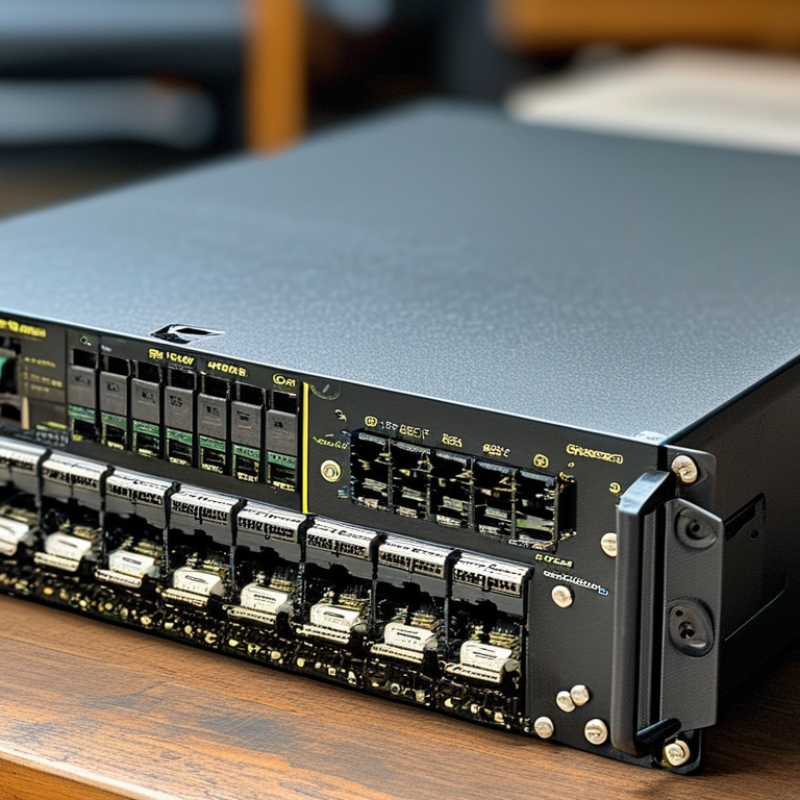
Understanding 200G Optical Transceivers: Key Features and Types
200G optical transceivers are crucial for high-speed data communication. Understanding their key features helps you make informed decisions. One vital aspect is the transmission distance. Options vary from short-range to long-range.
Short-range transceivers cover smaller distances, typically up to 300 meters. In contrast, long-range models can operate over 10 kilometers or more. Choose based on your networking requirements.
Another critical feature is the connector type. Various connectors, such as LC or MPO, cater to different applications. Ensure compatibility with existing infrastructure to avoid connectivity issues. It's also essential to consider the modulation format. Different formats can significantly impact performance and cost. Research to determine which is best for your needs.
Lastly, assess the environmental conditions. Some transceivers are designed for outdoor environments, while others work in controlled indoor settings. Identify factors like temperature and humidity for optimal performance. A well-chosen transceiver can enhance network reliability. Reflect on your actual needs before finalizing your choice.
Factors to Consider When Selecting a 200G Optical Transceiver
When selecting a 200G optical transceiver, several factors deserve your attention. The first important aspect is compatibility. Ensure the transceiver matches your existing network infrastructure. A recent report from LightCounting indicates that 200G transceivers are becoming increasingly essential in data centers. They provide efficient, high-speed data transmission. However, discrepancies in protocols can hinder performance, so check that the transceiver aligns with your network requirements.
Another crucial consideration is the type of optical fiber. Single-mode and multi-mode fibers serve different purposes. Single-mode fibers are ideal for long distances, while multi-mode fibers excel in short-range applications. According to the Fiber Optic Association, using the wrong fiber type can lead to significant signal loss. Therefore, make the right choice based on your network layout.
Tips: Always verify the operating temperature range. Some transceivers perform poorly outside their specified range.
Don't overlook power consumption. A lower power rating can lead to reduced operational costs. However, some cheaper options may not adhere to energy standards. This can result in overheating and reliability issues down the line. Balancing cost with reliability is key for a successful investment.
Evaluating Compatibility with Existing Network Infrastructure
When choosing a 200G optical transceiver, assessing compatibility with existing network infrastructure is crucial. Many organizations underestimate this aspect. According to a recent industry report, nearly 30% of network failures are attributed to compatibility issues. This emphasizes the need for careful evaluation.
Identifying the specifications of current equipment is a vital first step. Look into the form factor, supported protocols, and distance specifications. For instance, if your network runs on specific SFP or QSFP modules, make sure the new transceivers align with these standards. Neglecting this can result in significant downtime.
Furthermore, pay attention to the optical performance metrics. Parameters such as wavelength and signaling methods must match your system’s requirements. A mismatch could lead to signal loss or reduced efficiency. The industry indicates that a lack of compatibility can cause a drop in network performance by up to 40%. It's prudent to run compatibility tests before making any purchases. This proactive approach can help avoid potential disruptions in service.
Assessing Performance Specifications for Optimal Efficiency
Choosing the right 200G optical transceiver is crucial for network performance. Key performance specifications can significantly impact your system's efficiency. The modulation format, for instance, plays a vital role. Currently, 200G optical transceivers mostly use PAM4 modulation, which can transmit data at higher rates than legacy systems.
Consider signal integrity specifications, such as Bit Error Rate (BER). A lower BER indicates a more reliable transceiver. Industry reports suggest that optimal BER should be below 10-12 for reliable high-speed communication. Additionally, signal reach is another critical factor. Many 200G transceivers support distances up to 80 kilometers with single-mode fibers. This capability allows for flexible network designs without frequent repeaters.
It’s also essential to reflect on the compatibility with existing infrastructure. Not all 200G transceivers work seamlessly with older systems. Interfaces must align to avoid potential issues like latency or data loss. Evaluating total cost of ownership is necessary too. Higher initial costs may lead to lower maintenance and operational expenses over time. Balancing these factors requires careful analysis to ensure maximum efficiency.
Budgeting and Cost Considerations in Your Purchase Decision
When selecting a 200G optical transceiver, budgeting can be crucial. Reports indicate that organizations often overlook total cost of ownership (TCO). This includes initial purchase price, installation, maintenance, and potential upgrades. A transceiver may seem affordable upfront, but long-term costs may escalate. Data from research firms suggest that up to 30% of operating expenses can stem from underestimating these additional costs.
Consider the application environment. Harsh conditions may lead to increased wear and tear on equipment. In such cases, investing slightly more upfront can save money in the long run. A quality transceiver might reduce replacement frequency and downtime. Some users report that low-cost transceivers often result in expedited failures or compatibility issues, leading to unexpected costs.
Tip: Always align your purchase decision with future needs. Choosing a product that balances cost with durability pays off over time. Don’t ignore warranty and support features. A product might be cheap, but inadequate support could mean higher expenses down the road. Assessing these aspects can prevent costly mistakes. While the temptation to pinch pennies is strong, exorbitant repair costs can quickly offset initial savings.
How to Choose the Best 200G Optical Transceiver for Your Needs? - Budgeting and Cost Considerations in Your Purchase Decision
| Model |
Data Rate |
Distance |
Connector Type |
Price Range (USD) |
Warranty |
| Model A |
200G |
10 km |
LC |
$500 - $600 |
3 years |
| Model B |
200G |
20 km |
MPO |
$600 - $700 |
3 years |
| Model C |
200G |
150 km |
LC |
$800 - $900 |
5 years |
| Model D |
200G |
100 km |
MPO |
$700 - $800 |
4 years |
FAQS
: Compatibility with the existing network infrastructure is critical.
Single-mode fibers suit long distances, while multi-mode fibers work for shorter ranges.
Using the incorrect fiber can lead to significant signal loss.
Transceivers may underperform outside their specified temperature range; always verify it.
Lower power ratings can cut costs but may lead to overheating and reliability issues.
Neglecting compatibility can lead to significant downtime and network failures.
Look at form factors, supported protocols, and distance specifications.
It can lead to signal loss and drop network performance by up to 40%.
Yes, proactive testing can help avoid service disruptions later.
Not always; some cheaper models may not meet energy standards, affecting reliability.
Conclusion
When choosing a 200G optical transceiver, it's essential to understand the different types and key features they offer. These transceivers play a crucial role in enhancing network performance and efficiency, making it vital to evaluate their compatibility with existing infrastructure. Factors such as data rate, reach, and transmission protocols should be considered to ensure optimal performance.
Additionally, budgeting for a 200G optical transceiver is critical. It's important to balance the cost with the specifications required to meet your network demands. By carefully assessing these elements, you can make an informed decision that aligns with both your technical requirements and budget constraints, ensuring a robust networking solution.

 FiberNova