Choosing the right QSFP-DD transceiver is crucial for maximizing data center performance. The demand for higher bandwidth drives the need for advanced transceivers. According to a recent report by MarketsandMarkets, the QSFP-DD transceiver market is projected to grow at a CAGR of 26.4% between 2023 and 2028. This growth reflects the increasing reliance on high-speed data transmission in enterprise networks.
Expert John Smith, a leading figure in optical connectivity, emphasizes the significance of this choice: "Selecting the appropriate QSFP-DD transceiver can significantly impact network efficiency." The options available can be overwhelming. Understanding the specific requirements for your network is essential. Factors like speed, distance, and compatibility play pivotal roles in your decision.
Many buyers overlook these details, potentially leading to suboptimal performance. The diverse range of QSFP-DD transceivers means that a one-size-fits-all approach may result in wasted resources or unmet needs. Reflecting on your choices and seeking expert advice may prove valuable. Making informed decisions in the rapidly evolving landscape of data communication is essential for sustaining competitive advantage.
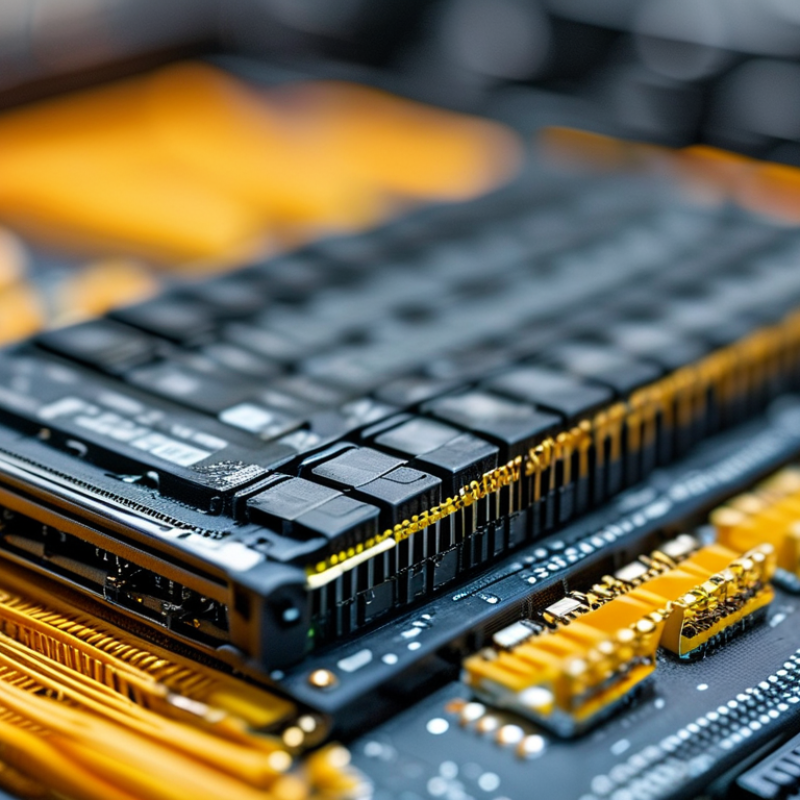
When selecting a QSFP-DD transceiver, understanding the types and specifications is crucial. The QSFP-DD (Quad Small Form-factor Pluggable Double Density) supports high bandwidth applications, typically offering up to 400 Gbps. This makes it ideal for data centers and telecommunication networks that demand faster data transmission. Reports indicate that the market for QSFP-DD transceivers is expected to grow by 25.4% from 2023 to 2030, showcasing their increasing importance.
Different types of QSFP-DD transceivers cater to various needs. The most common include PAM4 and SR4 configurations. PAM4 transceivers use four-level pulse amplitude modulation, enabling higher data rates without requiring additional fibers. On the other hand, SR4 options are designed for short-range connectivity, usually within a data center. Both types have unique specifications concerning distance and power consumption, impacting overall efficiency. In a world where energy consumption is vital, these specifications demand careful evaluation.
It's imperative to consider compatibility with existing infrastructure. Not all transceivers fit all hardware. Misalignment can lead to performance issues. Additionally, potential buyers should reflect on their long-term requirements. The rapid evolution of technology might make a current choice outdated in a few years. This foresight is essential, especially in fast-paced environments, ensuring that investments are well-planned and future-proof.
When selecting a QSFP-DD transceiver, compatibility is a crucial factor. Your network infrastructure must support the transceiver's specifications. For optimal performance, check the data rates and protocols your current equipment supports. Different transceivers have varying capacities, and mismatches can lead to network inefficiencies.
Consider the type of cables within your network. Some transceivers require specific fiber types or copper connections. Ensure that you have the right cabling infrastructure in place. If not, you may face additional costs or delays in deploying your network. It's essential to map out your existing network before making a decision.
Furthermore, evaluating the power requirements of the QSFP-DD transceiver is important. Not all networks can handle the power demands of higher-capacity models. You might find unexpected issues with power supply and cooling solutions. This aspect often goes overlooked but can significantly impact your network’s reliability and longevity. Always revisit your initial assessments to ensure a holistic approach when integrating new technology.
When selecting a QSFP-DD transceiver, evaluating data rate and distance requirements is crucial. The QSFP-DD standard supports data rates up to 400 Gbps, allowing for high-bandwidth applications in data centers. A report from the International Data Corporation forecasts a compound annual growth rate of 30% for data traffic through 2025. This translates to an increasing need for transceivers that can support these evolving bandwidth demands.
Distance also plays a critical role in your decision-making process. Depending on the deployment scenario, distances can vary from a few meters to several kilometers. For short-range connections, multimode transceivers are often preferred, while long-range applications may require single-mode options. Industry studies indicate that 70% of data center operators favor transceivers with at least 100-meter reach for intra-data center connectivity.
Yet, challenges exist. Not all applications will require the highest data rates, and over-specifying could lead to unnecessary costs. Carefully assess the actual data requirements before purchasing. Balancing performance with practical needs ensures a more efficient infrastructure. Emphasizing specific use cases can help avoid common pitfalls associated with over- or under-utilization of bandwidth in network setups.
| Data Rate (Gbps) | Max Distance (m) | Optical/Active | Wavelength (nm) | Connector Type |
|---|---|---|---|---|
| 400 | 100 | Optical | 850 | MTP/MPO |
| 200 | 500 | Optical | 1310 | LC |
| 100 | 2000 | Active | 1550 | LC |
| 50 | 10 | Optical | 850 | MTP/MPO |
When selecting a QSFP-DD transceiver, understanding the balance between cost and performance is crucial. Always remember that a higher price doesn’t guarantee better performance. You need to assess your specific requirements before investing. Many users prioritize data rates, but power consumption can also be a critical factor. Striking a balance is often a matter of trial and error. A cheap transceiver might not offer the performance you need, while an overly expensive one could lead to unnecessary expenses.
Tips: Focus on your network needs. Evaluate the data center's architecture. Look for options that meet your bandwidth requirements without overspending. It's useful to seek technical specifications and performance benchmarks from relevant sources. Sometimes, you might find that mid-range options provide the best value.
Another important consideration is support and compatibility. Even the best transceiver may fail if it doesn't fit your existing infrastructure. Take the time to research compatibility with your current equipment. Additionally, consider future upgrades. Initial costs can be enticing, but long-term performance should steer your choice. Frequent replacements can add up over time.
Tips: Don't solely rely on price rankings. User reviews can provide insight into real-world performance. Always validate any component claims through trusted resources. Remember, a transceiver needs to serve your needs over its lifespan, not just in the initial purchase.
When selecting a QSFP-DD transceiver, evaluating manufacturer reputation is crucial. A reliable manufacturer often showcases experience in the industry. They typically have a solid track record of producing reliable products. Before making a purchase, reviewing online forums and user feedback can provide valuable insights. Positive reviews can indicate consistent quality and service.
Customer support is another key factor. A reputable manufacturer offers prompt and effective support. Look for companies with accessible communication channels. Testing their responsiveness can reveal their commitment to customer satisfaction. It's important that they can address technical queries competently.
Consideration of warranty terms is vital, too. A good warranty reflects confidence in the product. However, not all warranties are equal. Be wary of vague conditions that may not cover certain issues. Reflection is essential: compare experiences and explore multiple options. This thorough evaluation ensures a well-informed decision.
: QSFP-DD stands for Quad Small Form-factor Pluggable Double Density, enabling up to 400 Gbps data transmission.
Not all transceivers fit all hardware. Misalignment can cause performance issues in your network.
The most common types are PAM4 and SR4, with different applications in data transmission.
Higher-capacity models may have significant power demands, potentially affecting network reliability and cooling solutions.
Data rates and distances vary, impacting performance and efficiency. Choose based on actual needs.
Yes, over-specifying can lead to unnecessary expenses. Assess your requirements carefully.
Ensure your cables match the transceivers. Specific fiber or copper connections may be required.
Technology evolves rapidly. A choice may become outdated soon. Think ahead to ensure sustainability.
Short-range and long-range applications have different needs. Choose transceivers accordingly to optimize performance.
Overlooking power requirements can lead to unforeseen issues with supply and cooling. Revisit initial assessments.
When selecting the best QSFP-DD transceiver for your needs, it is essential to understand the different types and specifications available. This includes evaluating compatibility with your existing network infrastructure and assessing your specific data rate and distance requirements. Choosing a transceiver that meets both your performance expectations and budget is crucial, as cost can vary significantly depending on the capabilities offered.
In addition to technical specifications, it's important to consider the reputation of the manufacturer and the level of customer support they provide. A reliable manufacturer not only ensures quality performance but also offers assistance when issues arise. By carefully reviewing these factors, you can make an informed decision and select a QSFP-DD transceiver that aligns with your operational demands and financial considerations.

FiberNova