In the rapidly evolving world of networking, choosing the right components is crucial. One expert in the field, Dr. Alice Thompson, noted, "The QSFP28 transceiver delivers unmatched performance in high-speed data centers." The QSFP28 transceiver has gained significant attention for its impressive bandwidth and efficiency. With the increasing demand for data transfer rates, these transceivers offer a perfect solution.
Utilizing a QSFP28 transceiver provides several advantages. Its ability to support 100G data communication is essential for modern networks. Many organizations have made the switch to enhance their network capacity. However, not all installations will benefit equally from this technology. Factors such as existing infrastructure and specific network requirements should be considered.
Investing in a QSFP28 transceiver can seem daunting to some. Yet, understanding its capabilities is vital for making informed decisions. Awareness of potential limitations fosters better planning and execution. Ultimately, the choice of a QSFP28 transceiver could define the efficiency and scalability of future networking efforts.
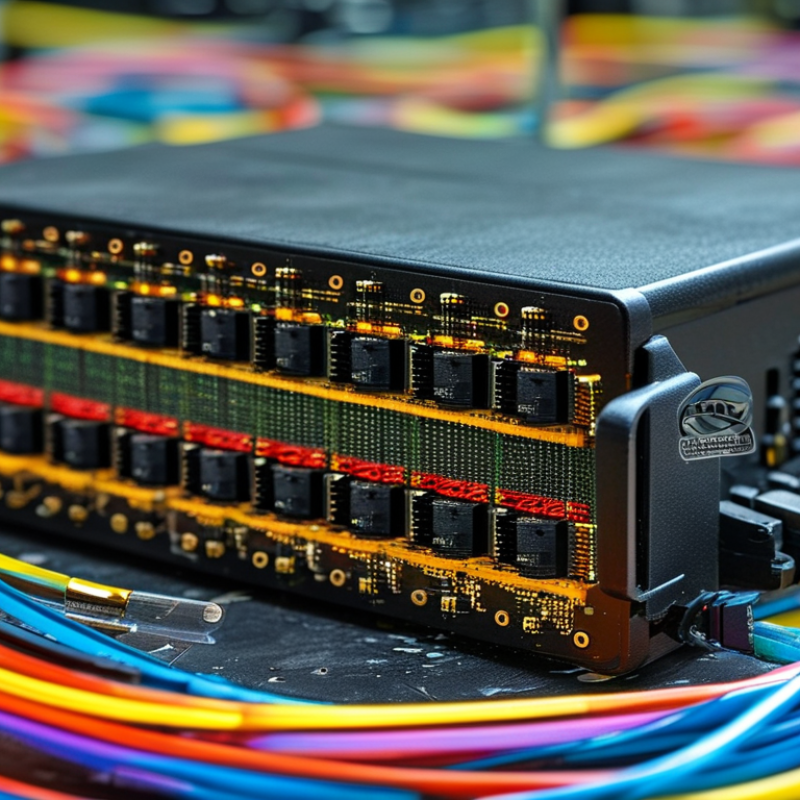
Understanding QSFP28 Transceivers: Key Features and Benefits
QSFP28 transceivers are revolutionizing networking with their high-speed capabilities. Designed for 100G Ethernet, they deliver data rates of up to 100 Gbps. This compact form factor provides a versatile option for networks demanding high bandwidth. According to industry reports, the global transceiver market is expected to reach $17.1 billion by 2026, driven by the rising need for higher data transfer rates.
One key feature of QSFP28 transceivers is their compatibility with various networking standards. They support both short-range and long-range connections, making them suitable for diverse applications. Their ability to utilize MTP/MPO connectors maximizes space in data centers. However, potential users should consider thermal management in high-density environments. Mismanagement can lead to overheating, which may affect performance.
Reliability is another critical benefit. These transceivers offer enhanced performance under fluctuating conditions. They have a mean time between failures (MTBF) of around 1 million hours. However, it is essential to choose components with quality certifications to ensure longevity. Users should also monitor signal integrity to avoid data loss, especially in high-speed networks. Investing in QSFP28 transceivers may prove beneficial in tackling future network demands.
Comparative Analysis: QSFP28 vs. Other Transceiver Types
When choosing a transceiver, it's essential to compare various types. QSFP28 transceivers excel in data bandwidth. They support up to 100 Gbps. This is crucial for data centers and high-performance computing environments. The ability to handle large data flows makes QSFP28 a preferred choice for many professionals.
In comparison to SFP+ and QSFP+, QSFP28 offers a significant increase in speed. SFP+ typically supports only 10 Gbps. This slower rate may seem adequate for basic tasks, but it falls short in high-demand situations. Meanwhile, QSFP+ can reach 40 Gbps, but it doesn't match the efficiency of QSFP28.
Beyond speed, power consumption is another consideration. QSFP28 transceivers can be more energy-efficient than other types. This efficiency contributes to lower operational costs over time. However, not all applications require such advanced specifications. It’s crucial to assess individual networking needs before settling on a choice. Balancing performance with cost-effectiveness can lead to more sustainable decisions.
Comparative Analysis of Transceiver Types
Ideal Applications for QSFP28 in Modern Networking Environments
The QSFP28 transceiver is gaining popularity in modern networking environments due to its high-speed capabilities. It's particularly ideal for data centers and enterprise applications requiring high bandwidth. According to a report by MarketsandMarkets, the global transceiver market is projected to grow from $3.3 billion in 2020 to $5.8 billion by 2025. This growth underscores the importance of choosing the right transceiver to meet increasing data demands.
In cloud computing, QSFP28 is perfect for achieving speeds of up to 100 Gbps. This enables faster data transfers and enhanced service delivery. Financial services also benefit significantly from QSFP28 technology, as it supports low-latency trading platforms. A study by Dell’Oro Group noted that 100G data center switch revenues increased by 44% in 2020, showcasing the rapid adoption of high-speed solutions like QSFP28.
Tip: When selecting a transceiver, assess your current and future bandwidth needs. Ensure compatibility with existing infrastructure to avoid costly upgrades.
Lastly, QSFP28 is suitable for
high-performance computing (HPC) applications where massive data processing is crucial. However, not every application requires such high speeds. Evaluate your use cases carefully. Investing in technology that outperforms your actual needs may lead to wasted resources. Think critically about your network specifications and prepare for potential scalability challenges.
Performance Metrics: Bandwidth, Speed, and Latency Considerations
When selecting a QSFP28 transceiver, performance metrics are crucial. Bandwidth is a primary consideration. The QSFP28 offers an impressive 100 Gbps capacity, suitable for data centers and high-speed networking. This capability supports a growing demand for data throughput. However, it's essential to assess if your current infrastructure can handle this substantial bandwidth without bottlenecks.
Speed is another critical metric. The transceiver ensures low latency, which is vital for applications requiring real-time data transfer. Networks often experience delays, and even microseconds can impact performance. It's imperative to evaluate your specific applications when choosing between options. Sometimes, a higher speed can lead to increased energy consumption, which may not align with sustainability goals.
Latency, although often overlooked, can significantly affect user experience. High-performance environments necessitate minimal latency. The QSFP28 transcends traditional limitations, contributing to faster response times. Still, proper integration is necessary to fully harness these benefits. Each network environment is unique, leading to potential challenges. Regular assessments and adjustments ensure that the transceiver meets evolving needs. Balancing these factors is vital for optimal network performance.
Future Trends: The Evolution of QSFP28 in Network Infrastructure
The evolution of QSFP28 technology is noteworthy. As network demands grow, so do the capabilities of transceivers. QSFP28 supports speeds of 100G, making it ideal for modern data centers. This rapid growth is essential for handling increased data traffic.
Future trends suggest that QSFP28 may evolve further, especially with the rise of 400G networking. Adapting to these changes could be challenging. However, the potential for higher bandwidth and lower latency is promising. Companies must invest in training to optimize usage.
Increased reliance on cloud computing necessitates faster, more efficient connections. As businesses transition to more demanding applications, the evolution of QSFP28 is crucial. Staying ahead of trends will enable networks to meet future needs and avoid bottlenecks. These advancements could reshape the networking landscape we know today.
Why Choose QSFP28 Transceiver for Your Networking Needs?
| Dimension |
Value |
| Data Rate |
100 Gbps |
| Distance Supported |
Up to 10 km |
| Interface Type |
MPO/MTP |
| Power Consumption |
< 3 W |
| Form Factor |
Hot Pluggable |
| Wavelength |
850 nm |
| Application |
Data Centers, High-Performance Computing |
| Standards Compliance |
IEEE 802.3bm |
FAQS
: QSFP28 is ideal for high-speed applications in data centers and enterprise environments requiring high bandwidth.
QSFP28 supports speeds of up to 100 Gbps, enabling faster data transfers and improved service delivery.
Industries like cloud computing and financial services benefit, especially for low-latency trading and fast data processing.
Yes, assess current and future bandwidth needs. Ensure compatibility with existing infrastructure to avoid costly upgrades.
Bandwidth, speed, and latency are crucial metrics. Each impacts the overall performance and user experience considerably.
Yes, higher speeds may increase energy consumption, potentially conflicting with sustainability goals. Evaluate your specific needs.
The evolution toward 400G networks is possible, promising higher bandwidth but requiring investment in training and adaptation.
High latency can affect user experience negatively. It's vital to minimize delays in high-performance environments for optimal results.
Proper integration ensures you can fully harness the benefits of low latency and high-speed capabilities in your network.
Companies need to invest in training and stay informed about advancements to avoid potential bottlenecks in network performance.
Conclusion
The QSFP28 transceiver has emerged as a vital component in modern networking, offering substantial benefits such as high bandwidth and low latency. This compact and efficient device supports data rates of up to 100 Gbps, making it ideal for data center connections and high-performance computing environments. Its key features include support for multiple protocols and the ability to handle large data volumes, positioning it favorably against other transceiver types in terms of speed and efficiency.
In evaluating the QSFP28 transceiver, it's essential to consider its applications in scenarios that demand high-speed data transfer and minimal downtime. With growing trends towards greater connectivity and higher performance, the QSFP28 is set to play a significant role in the evolution of network infrastructure. As networking needs continue to advance, understanding these aspects will help organizations make informed decisions about integrating QSFP28 transceivers into their systems.

 FiberNova